The Price Gap That Keeps Ferries Full
British shoppers have been crossing the Channel for French wine since medieval times, and the habit shows no sign of fading. The economic logic is simple: bottles cost significantly less on French soil than on UK shelves, even after factoring in ferry tickets and travel time.
Current UK customs rules allow travelers to bring back 18 liters of wine or 42 liters of beer for personal use. That's a fraction of what was permissible during the 1990s heyday of booze cruises, but the savings still justify the trip for many households. A bottle that sells for fifteen pounds in London might cost eight euros in a Calais hypermarket, and the gap widens with premium labels.
The VAT reclaim scheme adds another layer of savings. Spend over 100 euros at participating retailers, complete a form at checkout, handle brief paperwork at customer service, then scan documents at the ferry terminal. The refund arrives later, typically covering most of the ferry fare.
Three Ways to Shop
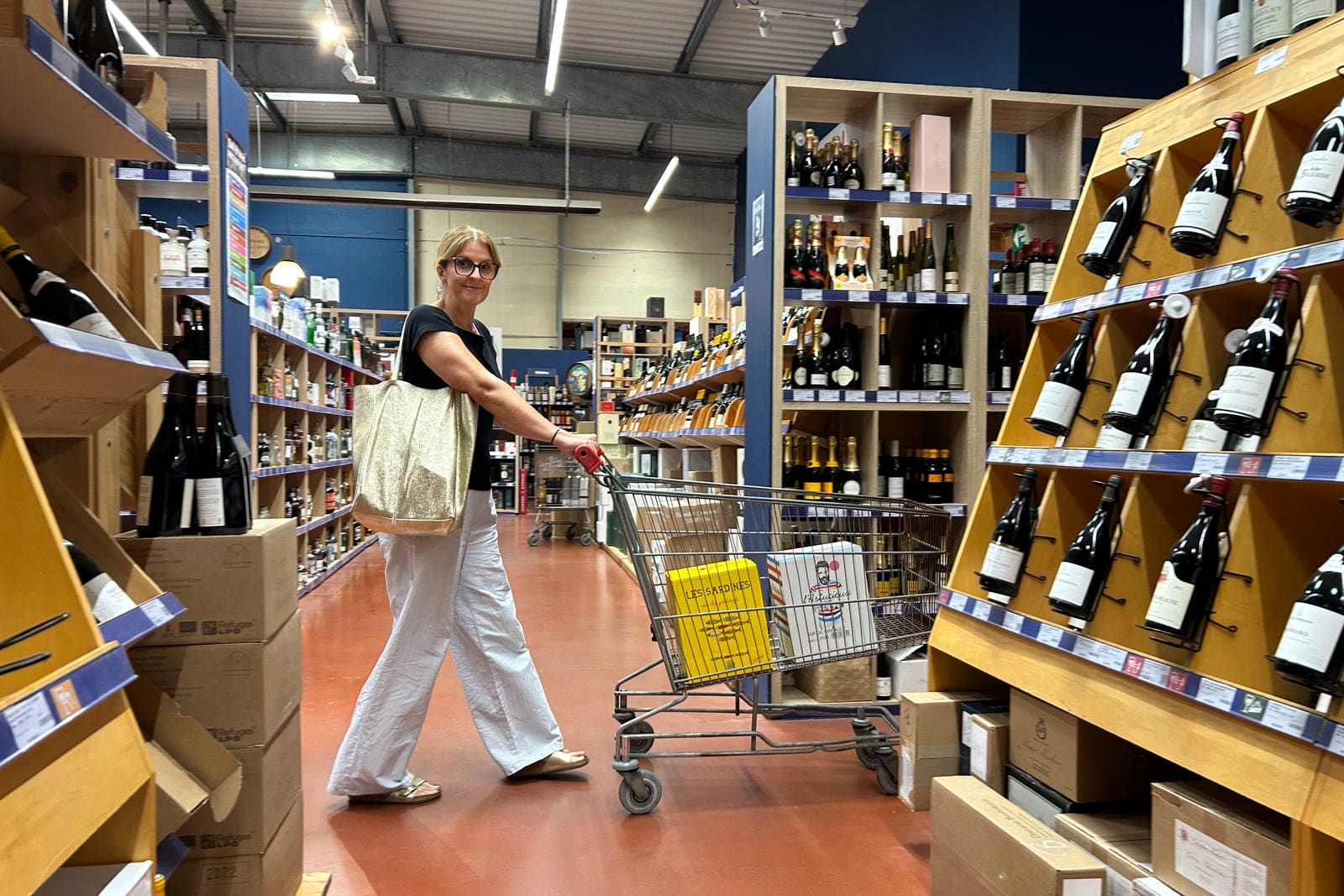
The Carrefour hypermarket inside Cité Europe shopping center stocks wine organized by French region rather than grape variety, a system that takes UK shoppers a moment to adjust to. The selection runs from budget table wines to boxed cases of regional appellations. Crémant sparkling wines sit in the aperitif section, offering champagne's elegance at a third of the price.
The same aisles hold pastries, cheese wheels, and other French staples that make the trip worthwhile beyond alcohol. Shoppers should bring a one-euro coin for trolleys and check opening hours, which don't always match British retail schedules.
Specialist wine shops like Calais Vins take a different approach. Staff ask about budget and taste preferences, then guide customers to bottles that deliver quality without name-brand markup. A Lirac from Domaine Colombettes runs around nine euros and offers similar character to a Châteauneuf-du-Pape priced at twenty-four euros. Coteaux-du-Giennois stands in for Sancerre at less than half the cost.
These shops occasionally run promotions where online orders over 300 euros unlock a free ferry crossing for pickup.
The third option skips Calais entirely. Ferry companies sell duty-free wine onboard, with prices that often match French supermarket levels. DFDS and P&O stock familiar labels from UK retail, Yellow Tail and Casillero del Diablo among them, at roughly half their British prices. Whispering Angel rosé currently sells for about a third less than at home. Staff will carry cases to your car.
DFDS operates an in-port store in Calais with a broader selection. Spend over 150 euros and the company covers the cost of a day-trip ferry ticket.
Beyond the Wine Aisles
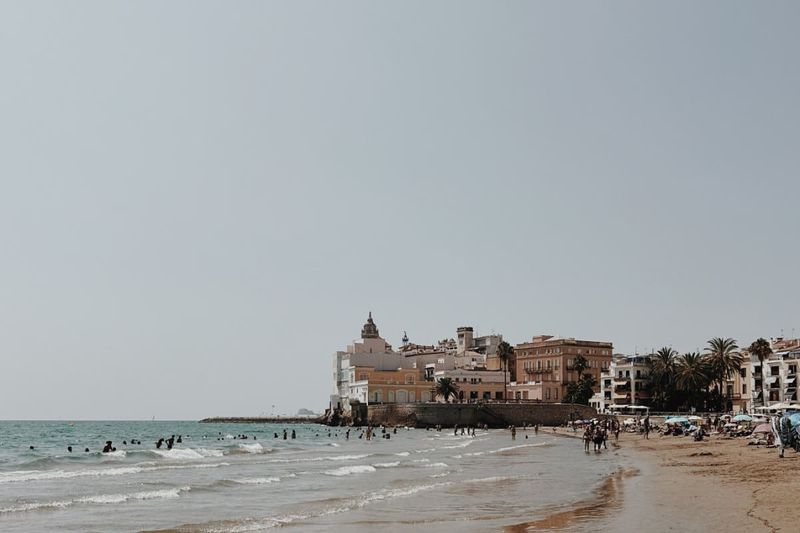
Calais itself has shed some of its utilitarian reputation. A seafront renovation completed in 2023 added a kilometer-long promenade, beach huts, and a ten-meter mobile dragon sculpture that has become an unlikely draw for families. The Fashion and Lace Museum, a UNESCO-listed belfry, and Rodin's "The Burghers of Calais" statue give shoppers reasons to linger between store visits.
The town's renewed cultural energy doesn't erase its core function for British visitors, which remains transactional. But it does make the wine run feel less like a chore and more like a short break with tangible rewards.
What the Numbers Say
Dover to Calais ferry crossings take about 90 minutes and start from around 55 pounds per car, with multiple sailings daily from operators including DFDS and Irish Ferries. A typical shopping trip including ferry, fuel, and a meal in Calais runs roughly 120 to 150 pounds for two people. Filling the legal alcohol allowance with mid-range French wine saves enough versus UK prices to cover those costs and leave money over.
The calculation shifts with exchange rates and fuel prices, but the fundamentals hold. French wine producers price for a domestic market where wine is everyday currency, not a luxury good. British supermarkets add import duties, distribution markups, and retail margins that compound into prices that feel punitive to anyone who has shopped in France.
The Ritual Endures
Cross-Channel shopping trips blend practicality with a sense of occasion. Families make it an outing, couples turn it into a day trip, and solo shoppers treat it as a small adventure that pays for itself. The ritual has outlasted policy changes, economic shifts, and the end of unlimited import allowances.
What began as Norman nobles loading wine barrels onto ships a thousand years ago continues in modern form, adapted to ferry timetables and customs limits but driven by the same appetite for French wine at French prices. The tradition persists because the economics still work, and because a short sea crossing remains the simplest way for British households to stock their cellars without emptying their wallets.