When Every Trip Feels the Same
Flight, hotel, landmarks, photos. Repeat. After enough trips, even a new city can feel like you are following a script. The monuments change, the food differs slightly, but the rhythm stays familiar. That predictability is precisely what some travellers are now trying to shake.
The answer is not necessarily more destinations or bigger budgets. Instead, a growing number of people are layering small, self-imposed challenges into their trips. Borrowed loosely from gaming vocabulary, these travellers call them side-quests: optional tasks that sit outside the main agenda but often deliver the most memorable moments.
The concept is simple. Set a mission, something concrete but open-ended, and let it guide part of your day. It might be eating five things you have never tried, collecting a handful of unusual souvenirs, or striking up three conversations with strangers. The structure is light, but the shift in attention can be profound.
The Flavour Challenge
Food is an obvious starting point. Most travellers already eat their way through a destination, but side-questing adds intention. Instead of wandering into whatever restaurant looks decent, you set parameters. Try dishes that span a spectrum of tastes, including ones you normally skip.
Bitter foods, for instance, rarely make it onto tourist menus. But bitterness is a flavor with range. Matcha balanced with mango, dark chocolate paired with salt, bitter greens softened by olive oil. Chasing that taste across a city forces you into markets, side-street cafés, and conversations about how locals actually eat.
The exercise is not about becoming a food critic. It is about using taste as a lens. Flavour reflects geography, history, and habit. When you seek out specific tastes, you end up learning why certain ingredients dominate, how meals are structured, and what comfort means in that place.
Souvenirs With a Twist
Everyone buys magnets and keychains. There is nothing wrong with that. But side-questing asks you to collect something a little less obvious.
Natural mementos work well in certain settings. A smooth pebble from a beach, a dried flower from a mountain trail, a fragment of bark from a forest walk. These items cost nothing and carry a specificity that mass-produced souvenirs lack. You remember exactly where you found them.
Urban trips lend themselves to ephemera. Ticket stubs, receipts, packaging from local snacks, free postcards from bookshops. These scraps document the mundane texture of a place, the design choices, the languages, the prices. Later, they serve as surprisingly effective memory triggers.
A word of caution: not all natural collecting is permitted. Some parks and protected areas prohibit removing anything, even leaves or stones. Check local rules before pocketing anything from the ground.
Talking to Strangers
This is the lowest-cost side-quest and often the most rewarding. The mission is straightforward: talk to three locals during your trip. Not transactional exchanges with hotel staff, but actual brief conversations.
Ask for directions, even if you already have them on your phone. Request restaurant recommendations. Comment on something you notice. Most people will respond, and some will offer more than you asked for.
The goal is not to force friendships or extract insider tips, though both can happen. It is to puncture the tourist bubble for a moment. You hear how someone speaks, what they prioritize, how they describe their own city. That small shift in perspective often reveals things guidebooks cannot.
And practically speaking, locals know things algorithms do not. The best route at this hour, the stall that just opened, the place that used to be good but is not anymore. That knowledge is still analog, passed along in person.
Street Art as a Scavenger Hunt
Not every destination has a visible street art scene, but many cities do. Graffiti and murals offer an unfiltered glimpse into local aesthetics, humor, and tensions. Unlike gallery art, this work is site-specific, often temporary, and shaped by the people who live there.
Turn it into a hunt. Document as many pieces as you can over the course of your trip. If you are travelling with others, make it a friendly competition. Who can find the most? Who can find the most unusual?
The side-quest keeps you alert. You notice alleyways you would have walked past. You linger in neighborhoods that do not have major attractions. You start to see patterns in style, recurring motifs, political references. The city becomes less of a backdrop and more of a text you are learning to read.
Convenience Store Roulette
Here is a low-stakes, high-reward challenge: walk into a convenience store and buy three snacks you have never seen before. No research, no reviews. Just pick based on packaging, curiosity, or impulse.
Snacks are deeply local. Even global brands release regional flavors. A KitKat in Japan tastes different than one in Germany. Malaysia has Mamee. The Philippines has Chippy. Every country has its childhood favorites, its nostalgic treats, its inexplicable flavor combinations.
Some of what you buy will be strange. Some will be delicious. Occasionally, you will discover something you wish you could buy at home. But the real value is in the act of choosing without context, of trusting your instinct, and of realizing how much variety exists in something as simple as a snack aisle.
Certain snacks also come with rituals. There is a right way to eat them, a specific sequence, a pairing. Locals will happily explain. That small exchange, prompted by a bag of chips, is its own kind of discovery.
The Bookshop Trail
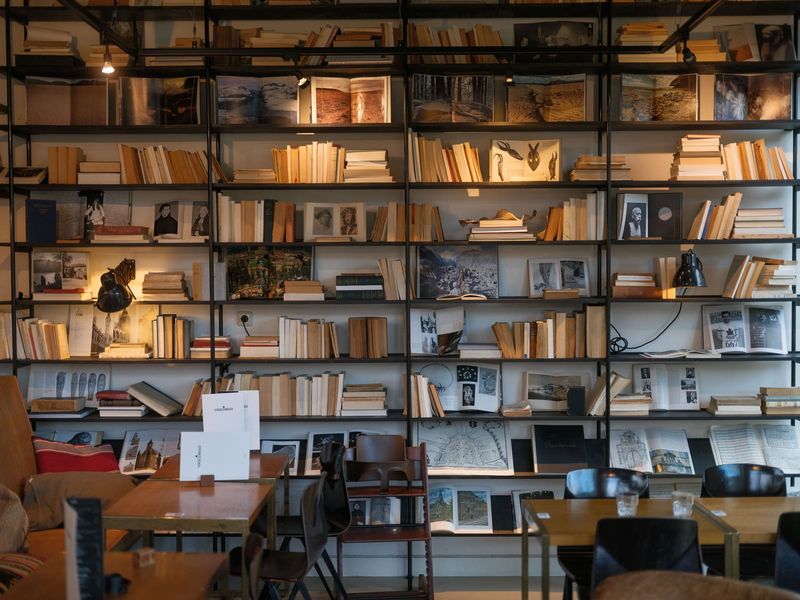
Not every city advertises its independent bookstores, but most have at least one. Seek it out. Spend half an hour browsing. Leave with something printed locally, a book, a magazine, a postcard, a zine.
You do not need to read the language. Covers, illustrations, paper quality, and subject matter all say something about local taste and concerns. What genres dominate? What does the design language look like? What stories are people telling themselves?
Bookstores also sit in neighborhoods. Following them takes you off the main commercial strips and into residential or mixed-use areas. You pass bakeries, repair shops, small parks. You see how people move through their own city when they are not performing for visitors.
The book or magazine you buy becomes a souvenir with depth. It is specific, tied to place, and often impossible to find elsewhere. More importantly, the search itself adds a layer to your trip that you would not have had otherwise.
Why It Works
Side-quests work because they give you something to do beyond consuming a destination. They require small decisions, minor creativity, and a degree of presence. You cannot complete them on autopilot.
They also create narrative. Instead of a vague sense that you walked around and saw things, you come home with stories. The time you tried to explain what flavor you wanted and ended up in a kitchen. The graffiti you found in an industrial district that made you rethink the whole city. The bookshop owner who recommended a café that became your favorite spot.
These moments do not replace the major sights. They complement them. They fill in the gaps between landmarks with texture, surprise, and the kind of detail that sticks with you long after you have forgotten which museum you visited on which day.
Travel does not need to be overhauled to feel fresh again. Sometimes it just needs a small shift in attention, a reason to look sideways, to ask questions, to take the longer route. Side-quests offer that shift, one minor mission at a time.