The Appeal of Going Slower
The idea of a holiday without frantic sightseeing or overstuffed itineraries is gaining traction. More travellers now prioritise rest over relentless activity, favouring destinations where the main attraction is the absence of noise and rush. Britain, with its network of small towns and protected landscapes, offers plenty of settings for this kind of retreat.
A recent study by train operator LNER examined more than 100 destinations across England and Scotland to identify places best suited to what researchers termed "quietcations". The analysis considered population density, air quality, access to green and blue spaces, and the availability of low-key activities such as walking trails, tea rooms, and independent bookshops. Transport accessibility by rail also factored into the rankings.
Windermere, nestled in the Lake District, came out on top in England with a score of 58.4 out of 100. The town's proximity to England's largest lake and its surrounding fells gave it a clear advantage, particularly when it came to walking routes.
What Makes Windermere Stand Out
According to LNER, Windermere offers 475 nearby walking trails, the highest count of any English destination in the study. The town also recorded six tea rooms, two bookshops, 6.59 hectares of blue space, and 8.87 hectares of green space. These figures reflect a landscape shaped more by nature than development.
The lake itself stretches 10.5 miles through the Lake District, bordered by rolling fells and woodland. Eighteen islands dot the water, and the surrounding terrain includes both gentle paths and more challenging climbs.
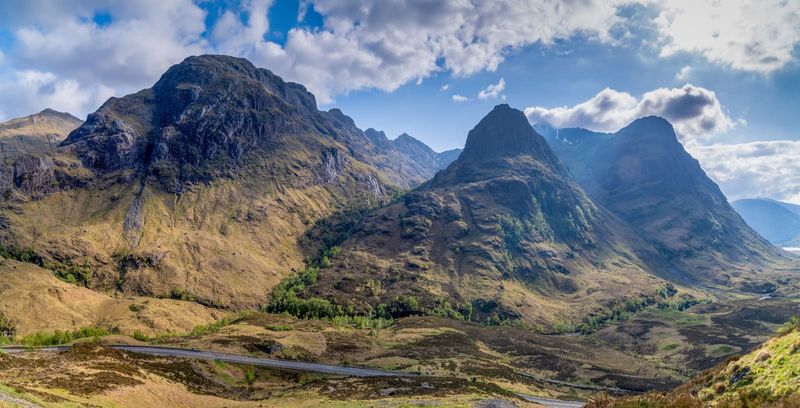
For a short walk, Orrest Head is accessible directly from the town and offers panoramic views over the lake and the Langdale Pikes. Those seeking quieter trails can take the ferry to the western shore, where the National Trust maintains a four-mile lakeside path leading towards Wray Castle. The route passes through woodland and hugs the water's edge, away from the busier eastern side.
Along the western shore sits Claife Viewing Station, a structure built in the 1790s for early tourists. The viewpoint once featured coloured glass panels designed to alter the appearance of the landscape, making it seem as though visitors were looking at different seasons. Today, it remains a spot for observing the lake and the fells beyond.
Beyond Walking
Not all visitors to Windermere come for the trails. Windermere Lake Cruises operate year-round, offering a passive way to take in the scenery from the water. In warmer months, traditional rowing boats are available for hire, allowing for slower, self-guided exploration.
The study's methodology placed emphasis on activities that demand little in terms of stimulation or exertion. Tea rooms and bookshops, both present in Windermere, fit this profile. So do the open spaces and water access that define the town's character.
The Broader Picture
Windermere narrowly edged out Bamburgh in Northumberland, which scored 55.6, and Salcombe in Devon, which came in third with 55.4. Scotland fared even better overall. Aviemore led the Scottish ranking with a score of 74.1, followed by Callander at 62.4 and Dunkeld and Birnam at 54.8.
The higher scores in Scotland may reflect lower population density and greater access to protected landscapes. The study did not break down individual metrics by destination, but the pattern suggests that remoteness and the proportion of land designated for conservation play significant roles.
David Flesher, Commercial Director at LNER, noted the appeal of stepping away from routine noise and obligations. The rankings, he suggested, are meant to help travellers identify places where a break means something closer to genuine rest.
A Shift in Travel Priorities
The concept of a "quietcation" is not entirely new, but it reflects a shift in how some people approach holidays. Instead of maximising experiences or ticking off landmarks, the focus turns to reducing input: fewer plans, less movement, more time spent observing rather than doing.
Britain's geography supports this approach. The country has a high concentration of national parks, Areas of Outstanding Natural Beauty, and small towns that remain relatively untouched by mass tourism. Rail access, a factor in the LNER study, makes many of these places reachable without the need for a car.
Whether the trend will grow or remain a niche preference is unclear. What the study does highlight is that infrastructure for slow travel already exists in many parts of England and Scotland. For those inclined towards quiet, the options are there.