Accor Plants Its Flag on the Strip
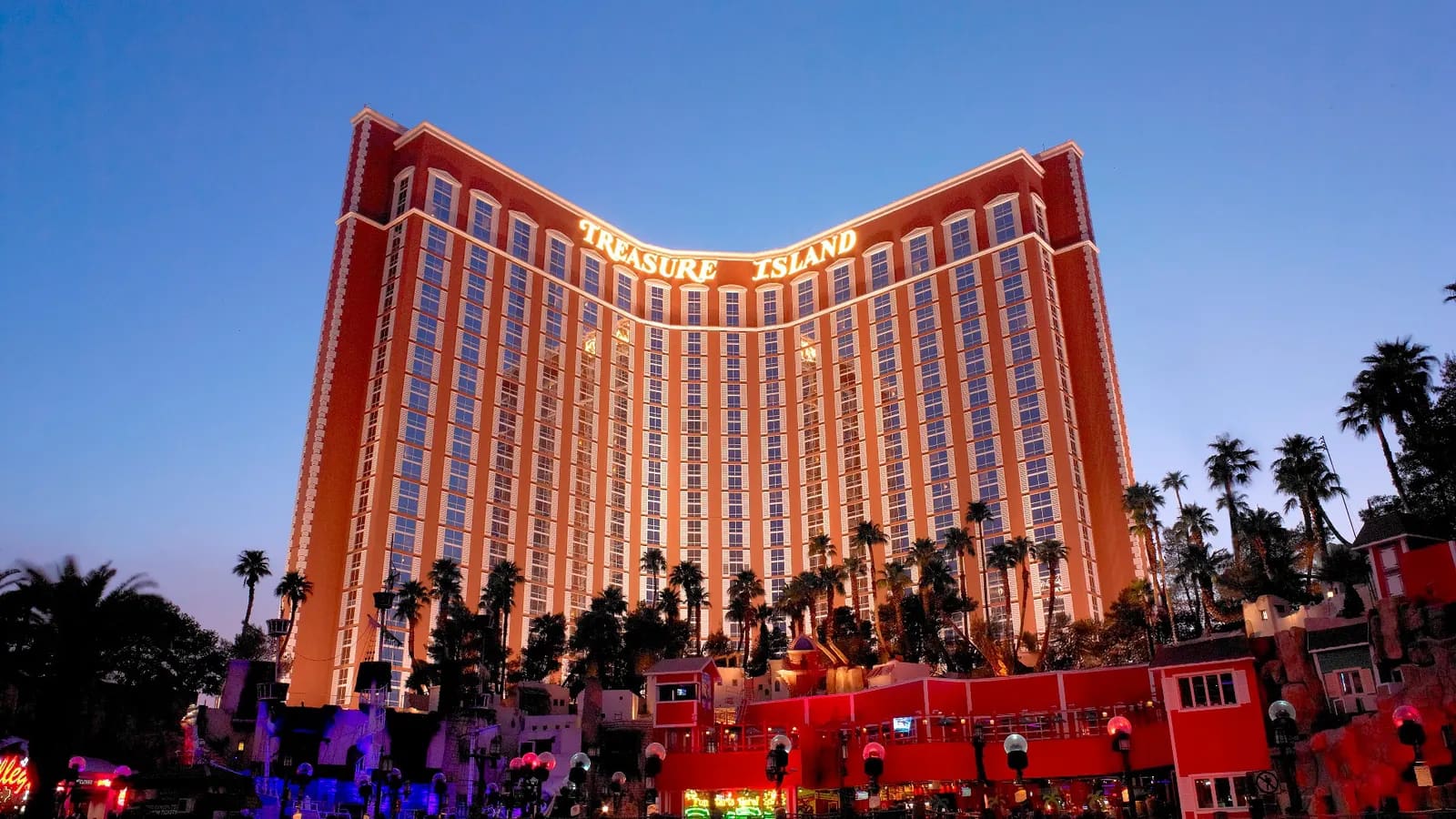
Treasure Island TI Las Vegas opened this week as part of Accor's Handwritten Collection, bringing the French hospitality company into a market it has never touched before. The 2,884-room property is now the largest hotel in Accor's global network and signals the company's intent to build a stronger foothold across the Americas.
The Vegas property comes with the expected casino floor that runs around the clock, a sports betting arena, an outdoor pool, spa facilities, and a theater. Less typical: a tattoo studio and game room alongside the entertainment lineup. The scale alone is notable. For a company that built its reputation in Europe and Asia, operating a property this size in one of the world's most competitive hospitality markets represents a meaningful shift in strategy.
Accor has been growing its presence in the US, but slowly. The Handwritten Collection, which emphasizes independent character and local identity, gives the company a way to enter markets without building from scratch or converting properties into more standardized brands. Treasure Island fits that approach. The hotel has history on the Strip, and Accor is positioning it as a distinct experience rather than trying to fold it into a conventional luxury or midscale template.
A Potomac Hotel Changes Hands
Across the country, the Potomac Hotel in Washington, DC, has joined Marriott International's Autograph Collection after rebranding from Salamander Washington DC. The 373-room hotel sits along the Potomac River and now operates under Pyramid Global Hospitality's management.
Henderson Park, which bought the building in 2022, still owns the property. Salamander Collection Founder Sheila Johnson remains a minority partner, even as the hotel moves into Marriott's portfolio. The transition reflects a broader trend in the industry: owners looking for the distribution power of major brands while holding onto operational flexibility through third-party managers.
The hotel offers 38,000 square feet of event space spread across indoor and outdoor areas, a two-level spa, a fitness center, and a heated indoor pool. For Marriott, the addition strengthens its Autograph Collection in the capital, where demand for upscale, independent-feeling hotels remains steady among both business and leisure travelers.
Dual-Brand Hotels Gain Traction in Ski Country
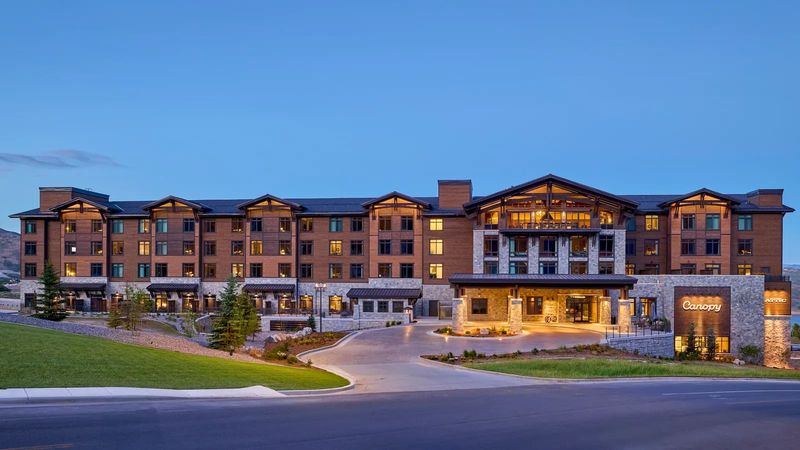
In Colorado, Crestline Hotels & Resorts will manage a dual-branded Marriott property near Vail. The project combines a 116-room SpringHill Suites and a 127-room TownePlace Suites, both offering access to skiing and year-round recreation. JMA Ventures, the ownership group, selected Crestline to oversee operations at both hotels, which share 1,515 square feet of meeting space, a fitness center, a heated pool, and shuttle service to nearby slopes.
Dual-brand hotels have become a popular format in markets where demand varies by season or traveler type. Pairing an extended-stay brand with a select-service option allows owners to capture different segments without doubling up on back-of-house costs. In a ski town like Vail, where winter visitors might want suites with kitchens and summer travelers prefer simpler setups, the model makes practical sense.
Lifestyle Hotels Spread to Smaller Markets
Chicago-based First Hospitality added five new lifestyle properties to its management portfolio, all under Hilton and Marriott soft brands. The additions bring the company into five new markets, including Sedona, Arizona; Santa Barbara, California; Green Bay, Wisconsin; Elkhart, Indiana; and downtown St. Louis, Missouri.
The properties range from 87 to 160 rooms and include Sky Rock Sedona and Steward Santa Barbara under Marriott's Tribute Portfolio, Hotel Northland in Green Bay under Autograph Collection, Hotel Elkhart under Hilton's Tapestry Collection, and Le Méridien St. Louis Downtown. Each hotel features on-site dining and gathering spaces, with some offering wellness programming.
The move reflects a wider industry pattern: lifestyle brands are no longer limited to gateway cities or beach resorts. Operators are finding demand in college towns, regional business hubs, and leisure destinations that might have been overlooked a decade ago. For hotel companies, these soft brands offer a way to grow without the capital intensity of building new flagships. For owners, they provide brand recognition and reservation systems without sacrificing local character.
What It Means for the US Hotel Landscape
The week's announcements point to a few trends worth watching. First, international companies like Accor are willing to make big bets on the US market, even in places as saturated as Las Vegas. Second, lifestyle and soft brands continue to gain ground, especially in markets where travelers want something more distinctive than a standard chain but still value the reliability and loyalty programs that come with major hotel groups.
Third, dual-brand projects are becoming a go-to strategy for developers who want to maximize returns on a single site. And fourth, the role of third-party management companies is expanding. Pyramid Global Hospitality taking over the Potomac Hotel and Crestline managing the Vail properties show how ownership, branding, and operations are increasingly handled by separate entities, each focused on what they do best.
For travelers, the result is a more varied landscape. Whether you are looking for a massive casino hotel on the Strip, a boutique property along the Potomac, or a ski-in suite in Colorado, the options are multiplying. For the industry, the challenge is keeping those properties distinct enough to justify their lifestyle positioning while still delivering the consistency that guests expect from recognized brands.