A Banner Year and a New Hull
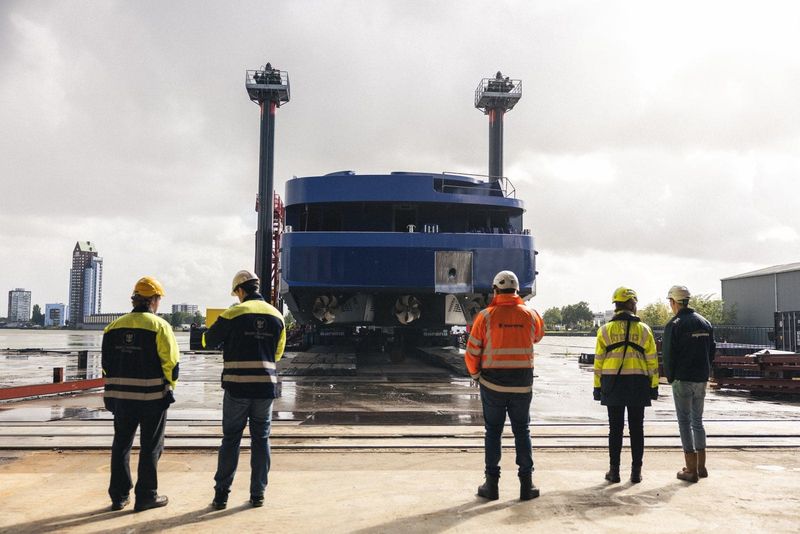
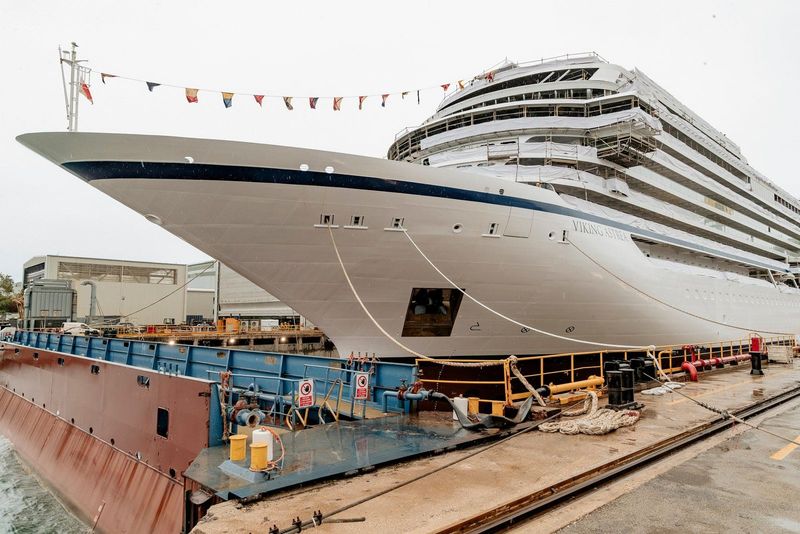
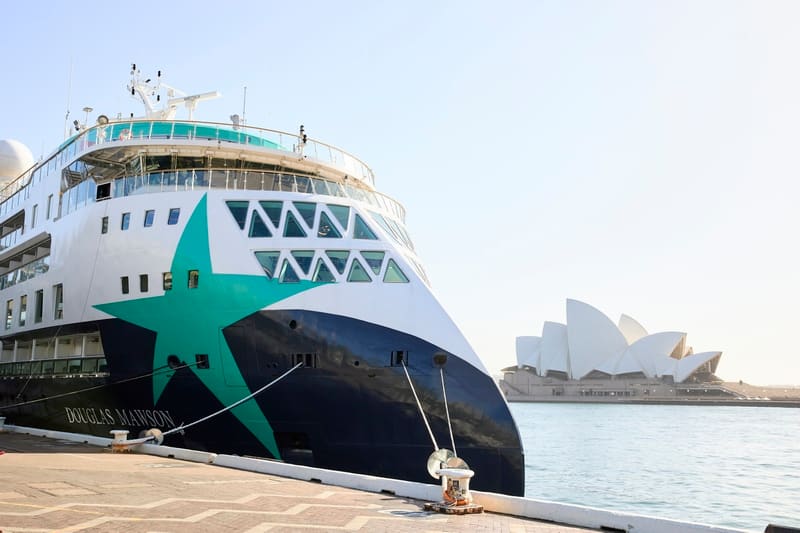
Aurora Expeditions wrapped 2025 as its strongest year on record, a milestone that reflects both the operator's growth trajectory and the broader appetite for expedition-style travel. The Australian line has now expanded its fleet to three ships with the recent addition of the Douglas Mawson, according to Chief Marketing Officer Katie Malone.
The Douglas Mawson joins two existing vessels that have carried passengers to Antarctica, the Arctic, and other remote itineraries. The fleet expansion positions Aurora to serve more travelers without abandoning the small-ship ethos that has defined the brand since its founding in the early 1990s. Each vessel carries fewer than 200 passengers, a scale that allows Zodiac landings, naturalist-led excursions, and access to sites that larger ships cannot reach.
The timing of the expansion is deliberate. Demand for expedition cruising has climbed steadily over the past half-decade, driven in part by travelers seeking alternatives to mass-market itineraries and in part by a generational shift toward experience-led travel. Aurora's 2025 performance suggests the line has found a formula that resonates: active itineraries, expert guides, and a focus on polar and subantarctic regions that remain logistically challenging for independent travelers.
What the Third Ship Enables
Adding a third vessel does more than increase capacity. It allows Aurora to test new itineraries, extend seasons in certain regions, and potentially serve charter clients looking for turnkey expedition programs. Malone noted that the company has secured a charter deal, though details on the partner and itinerary were not disclosed.
Charter arrangements have become a strategic lever for expedition operators. They provide guaranteed revenue, fill shoulder-season gaps, and introduce the product to new audiences, particularly corporate groups, scientific organizations, and educational institutions. For Aurora, which has historically leaned on direct-to-consumer sales and travel advisors, a charter component diversifies the revenue mix and reduces exposure to booking volatility in any single market.
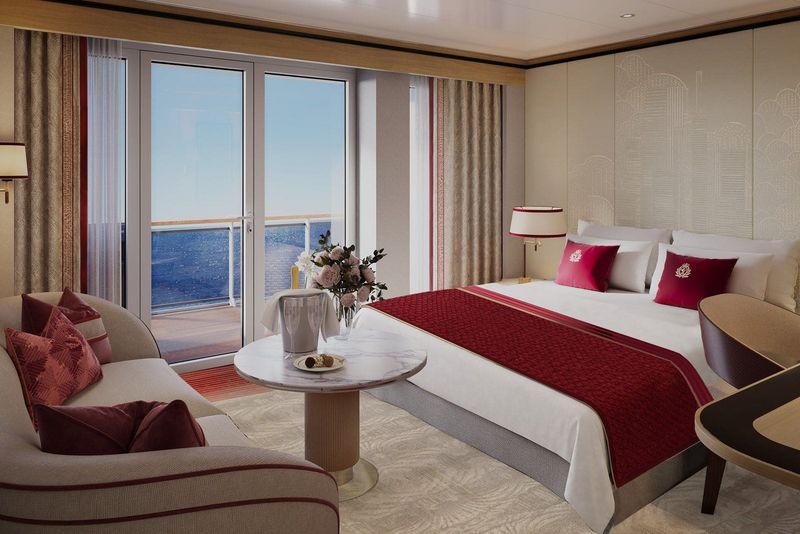
The Douglas Mawson itself is purpose-built for polar conditions, with ice-strengthened hulls, stabilizers, and onboard equipment for kayaking, snorkeling, and shore landings. The design mirrors the line's two other ships, ensuring operational consistency and allowing crew to rotate across vessels without retraining.
The Broader Expedition Landscape
Aurora's expansion unfolds against a backdrop of intensifying competition in the expedition segment. Several operators have added tonnage in recent years, and new entrants have arrived with luxury-focused offerings that blur the line between adventure and indulgence. At the same time, established players like Hurtigruten and Lindblad have refreshed fleets and pushed into new regions, from the Galápagos to West Africa.
What differentiates Aurora is its operational heritage. The company was founded by mountaineers and polar guides, and that DNA still shapes the onboard experience. Lectures are led by scientists and historians who have spent seasons in the field, not scripted presenters. Shore excursions emphasize active participation: hiking, kayaking, and wildlife observation rather than passive sightseeing. The clientele skews toward repeat expedition travelers and those who prioritize access and expertise over amenities.
That positioning has served Aurora well as the expedition market matures. Early adopters of polar travel have aged into a demographic with both the resources and the physical capability to undertake demanding itineraries. Meanwhile, younger travelers, particularly from Asia-Pacific markets, are entering the expedition space with different expectations around sustainability, cultural engagement, and digital connectivity. Aurora's challenge will be to serve both cohorts without diluting the core product.
Market Expansion and What Comes Next
The addition of the Douglas Mawson also signals Aurora's ambition to grow beyond its traditional strongholds. While Antarctica remains the flagship destination, the line has steadily expanded into Arctic Canada, Greenland, Iceland, and the Norwegian archipelago of Svalbard. These regions offer longer cruising seasons and a wider range of itineraries, from wildlife-focused voyages to cultural immersion programs in Inuit and Sámi communities.
There is also room to grow within existing markets. Australia and New Zealand have been core source markets for Aurora since its inception, but the company has made inroads in North America and Europe over the past decade. The charter deal Malone referenced could be part of a broader strategy to crack institutional and corporate segments that have historically been underserved by expedition operators.
Looking ahead, the line will need to navigate a set of challenges common to the expedition sector: environmental scrutiny, regulatory shifts in polar regions, and the operational complexity of serving remote destinations with limited infrastructure. The International Maritime Organization continues to refine guidelines for ships operating in polar waters, and both Greenland and Iceland have introduced measures to manage cruise traffic and protect fragile ecosystems. Aurora's relatively small ships and low passenger counts may insulate it from some of the backlash facing larger operators, but the scrutiny is industry-wide.
The Case for Small Ships
Aurora's growth underscores a broader truth about the expedition market: size matters, and smaller is often better. Vessels carrying fewer than 200 passengers can operate under different regulatory frameworks in many jurisdictions, allowing more flexibility in landings and itineraries. They can also pivot quickly when weather or ice conditions shift, a critical advantage in polar regions where forecasts are notoriously unreliable.
For travelers, the appeal is straightforward. Small ships mean fewer people competing for Zodiac seats, shorter wait times for excursions, and a higher ratio of guides to guests. The onboard atmosphere tends to be informal, with open-bridge policies and communal dining that encourages interaction among passengers and crew.
Aurora's decision to add a third ship rather than build a larger one reflects a bet that this model will continue to resonate. As the expedition market grows, the risk is that operators will chase scale at the expense of the intimacy and access that define the category. Aurora, for now, is sticking with what has worked.