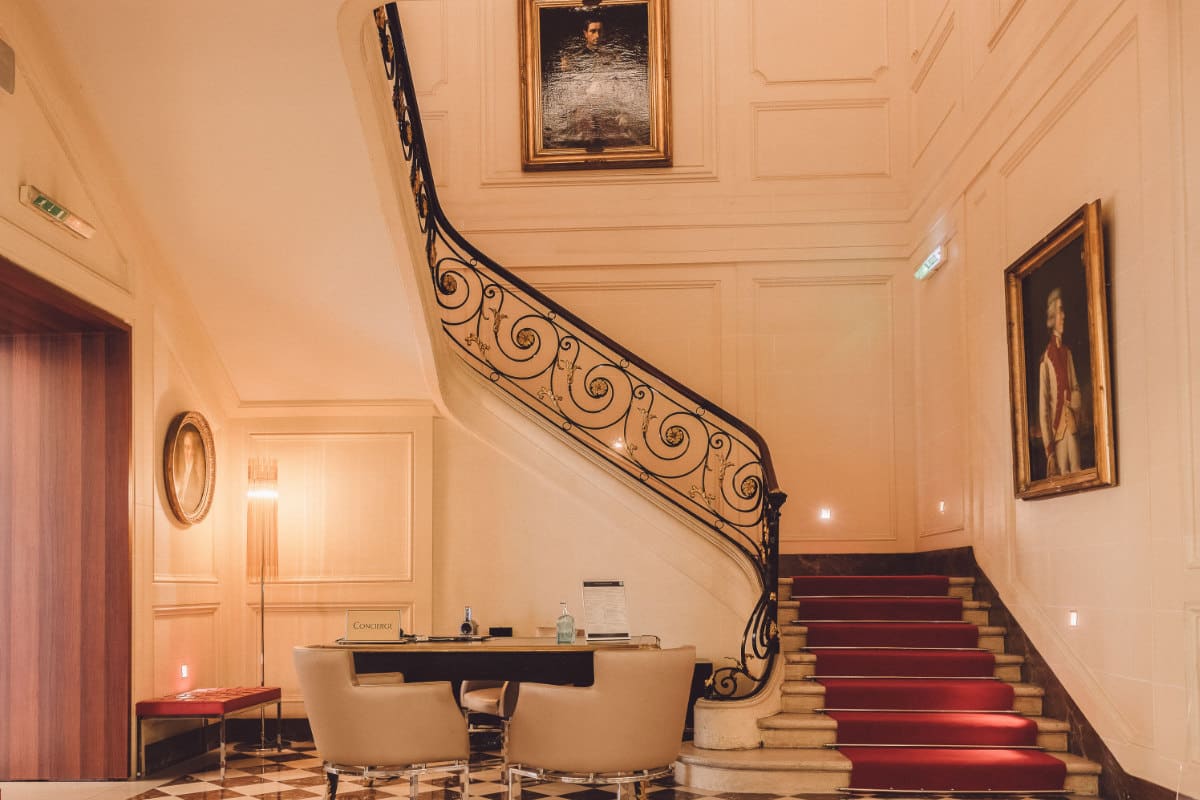
From Private Residence to Public Stay
In 1880, French military captain Henri-Léopold Charles de Sers commissioned architect Jules Pellechet to build a mansion in Paris's eighth arrondissement. The timing proved fortunate. Within a decade, the Eiffel Tower rose nearby, cementing the neighborhood's status and the property's appeal.
The building operated as a private residence for decades before converting to a hotel in the 1930s. Last year, the property completed a renovation that preserved its Belle Époque bones while updating its interiors. Today, Hôtel de Sers houses 43 rooms and nine suites, many with floor-to-ceiling windows and private terraces. Some rooms offer direct views of the Eiffel Tower.
The architecture still reads as a townhome rather than a purpose-built hotel. Natural light floods the spaces, and the layout retains the proportions of a residential building. Owner Agathe Jousse described the renovation philosophy as imagining what a contemporary marquis would create in the same space.
What the Rooms Offer
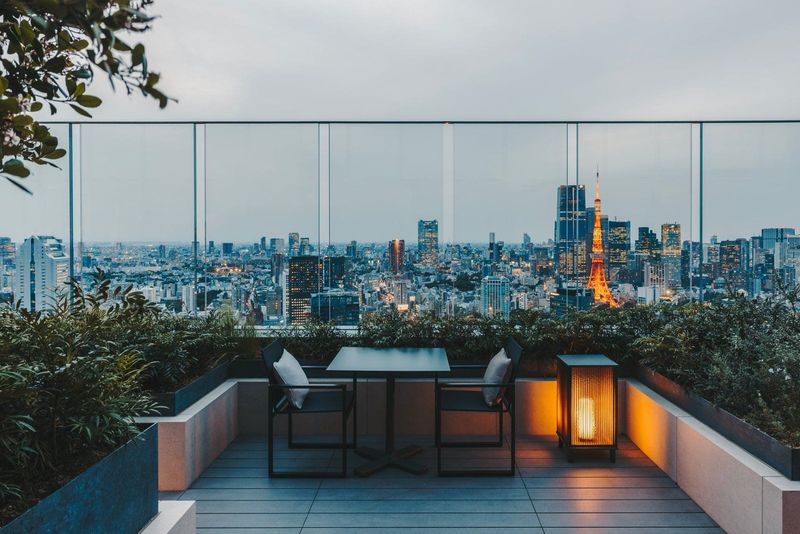
Room sizes vary, but the larger suites provide generous square footage. The Eiffel Suite spans 645 square feet and includes a living room with herringbone oak floors, a carpeted bedroom, and a marble bathroom. A terrace extends the living space outdoors, with sightlines to the Eiffel Tower.
About half the rooms include terraces. The design leans Art Deco, with clean lines and period-appropriate details that stop short of museum-piece reverence. The intention seems to be comfort first, aesthetics second, though both register clearly.
Modern Systems in Old Walls
Historic buildings often struggle with climate control, but Hôtel de Sers installed American-style air conditioning throughout. The property also includes a fitness center and spa with sauna, amenities that require significant infrastructure investment in a 19th-century structure.
The hotel's restaurant, Restaurant de Sers, recently brought on executive chef Stefano Stafie from Umbria. His brief is to layer Mediterranean influences into the existing continental menu. In-room dining draws from the same kitchen.
Location and Access
The eighth arrondissement puts guests within walking distance of several Paris landmarks. The Champs-Élysées is five minutes on foot; the Seine riverbanks are ten. La Galerie Dior, the Grand Palais, and Ladurée's Champs-Élysées location all sit within a short walk.
This part of Paris has long attracted visitors, but the density of recent openings and renovations suggests renewed interest. The Grand Palais recently reopened after extensive work, and its restaurant, Le Grand Café, has drawn attention since launch.
The Staying Power of Old Buildings
The Marquis de Sers built his townhome in a city entering a period of rapid transformation. The Eiffel Tower, initially controversial, became the defining symbol of that era. The mansion has outlasted multiple regimes, wars, and shifts in how people travel.
What makes the building work as a hotel today is less about preserving the past than adapting it. The renovation balanced period details with systems that contemporary travelers expect: reliable air conditioning, strong water pressure, soundproofing. The result is a property that acknowledges its history without being trapped by it.
Paris has no shortage of hotels in historic buildings. What distinguishes Hôtel de Sers is the residential scale. The building never feels like a grand hotel; it feels like staying in someone's well-appointed home, assuming that someone had excellent taste and deep pockets.
The eighth arrondissement has changed since 1880, but the fundamentals that drew the Marquis de Sers remain. It is still a desirable address, still close to the center of things, still a place where people want to be. The building has simply found a new way to fulfill its original purpose: offering a place to live well in Paris, even if only for a few nights.