A Familiar Problem Extends to Newer Models
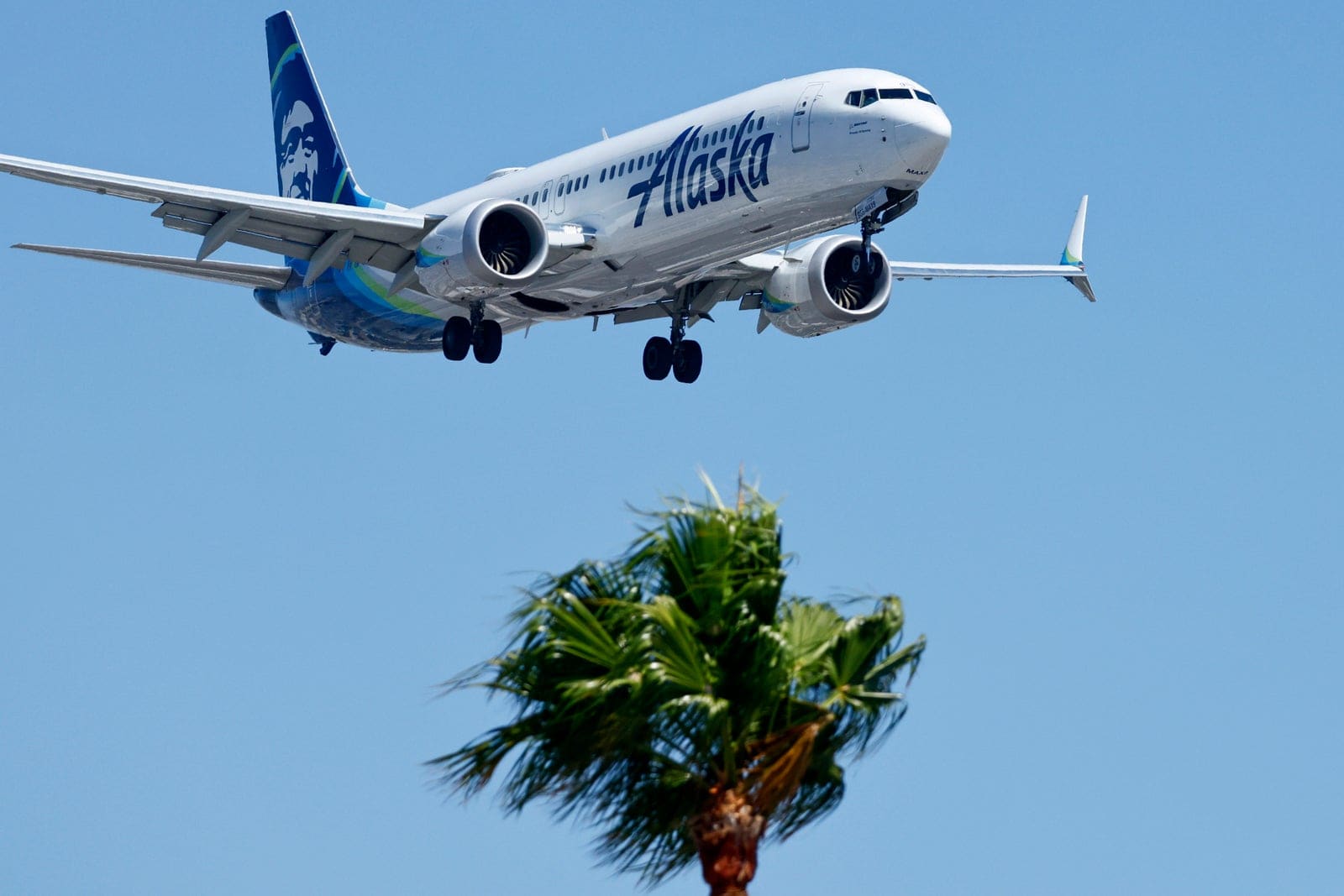
American aviation regulators have issued a directive requiring airlines to examine structural components on 471 Boeing 737 MAX aircraft registered domestically. The action follows the discovery of fractures in load-bearing hardware surrounding service doors on earlier 737 variants, raising concern that the same vulnerability may exist across the MAX fleet.
The Federal Aviation Administration is asking carriers to inspect what's known as a bear strap, a reinforcement element positioned near the forward service door adjacent to galley areas. Airlines must visually examine fuselage skin for fractures and carry out necessary repairs. Inspection deadlines range from 3,000 to 30,000 flight cycles depending on aircraft age and usage. Globally, the order affects roughly 1,429 planes, according to the FAA.
The inspection requirement covers three MAX variants: the 737-8, the 737-9, and the 737-8200. Boeing has stated that the structural concern has not yet appeared in the MAX series but extended the inspection protocol because the newer jets share design architecture and manufacturing methods with previous generations. The company first identified the issue six years ago and has since worked with operators to monitor affected aircraft.
Timing and Context
The directive arrives less than four weeks after federal authorities returned certification powers to Boeing, reversing a restriction put in place during the 737 MAX grounding. In 2019, following two crashes that killed 346 people, the FAA stripped Boeing of its ability to perform final safety approvals on newly built 737s. Every plane required direct FAA inspector sign-off before delivery. The agency began gradually restoring those privileges last year, allowing Boeing to resume some pre-delivery certifications.
Regulators say the current inspection push aims to catch any cracking before it becomes structurally dangerous. The FAA first flagged the issue in a proposed rule published in November 2025, signaling that the problem had been under review for months.
A Broader Pattern
This is far from Boeing's only recent safety complication. In July, a window detached mid-flight on an older 737 operating in Greece, partially ejecting a 61-year-old passenger. The man sustained neck and shoulder injuries but survived, and the crew landed the aircraft safely. That same month, the FAA ordered separate inspections of hundreds of MAX jets after finding incorrectly installed seats.
Meanwhile, Boeing is scaling up production. The company opened a second assembly line in Everett, Washington, and is working to lift monthly output from 42 to 47 aircraft. But the ramp-up comes at a cost. Boeing reported a larger-than-anticipated loss in the second quarter of 2026, weighed down by overruns on the delayed Air Force One program and expenses tied to expanding manufacturing capacity.
The modified 747-8 jets destined to become Air Force One will cost Boeing an additional $280 million, the latest addition to a program already exceeding $4 billion. The commercial airplane division also posted a loss for the quarter, though narrower than the year before, as the company invests heavily to clear a backlog of thousands of undelivered planes.
What It Means for Airlines and Passengers
For airlines, the inspection mandate adds another layer of maintenance scheduling during a period of tight aircraft availability. Carriers must pull planes from service temporarily to complete visual checks, a process that can disrupt flight schedules if spare capacity is limited. The variable compliance window gives operators some flexibility, but older, high-cycle aircraft face tighter deadlines.
Passengers are unlikely to notice immediate changes. The inspections are preventive, designed to address a problem before it compromises safety. Still, the directive underscores how manufacturing issues from years past continue to ripple through the global fleet, even as Boeing works to rebuild trust and increase output. The MAX, once grounded worldwide, remains under intense scrutiny, and every new directive reinforces how fragile that recovery remains.
Boeing's path forward depends on its ability to deliver planes reliably while managing legacy problems. Expanding production is essential to meeting airline demand and clearing backorders, but each new safety issue tests the confidence of regulators, carriers, and the flying public. For now, the focus is on completing inspections and ensuring that structural weaknesses don't escalate into something more serious.