A New Funding Tool, or a Travel Deterrent?
England's government is preparing to grant mayors across the country the authority to charge fees on overnight accommodation, a policy shift that has divided opinion among travel stakeholders. The proposed legislation places no cap on the rate, leaving individual mayors free to set their own charges and determine how the money is used. Early estimates suggest the levy will likely settle at around five per cent of the accommodation cost, though nothing prevents authorities from choosing a different figure.
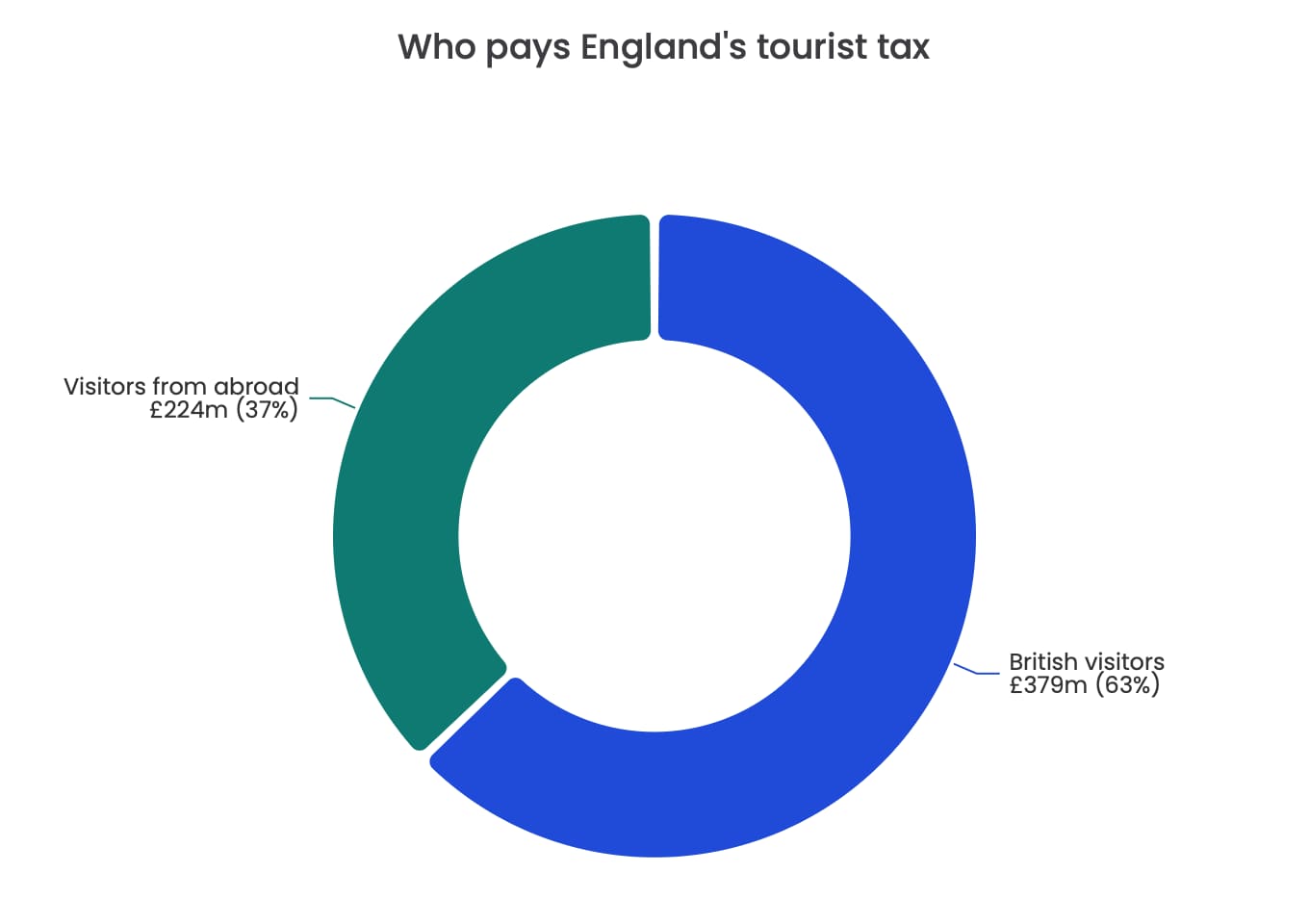
The tax would apply universally. Whether someone books a bed and breakfast in York, a hotel in Manchester, or a short-term rental in London, the charge would be the same. Domestic travellers would pay it just as international visitors do, a point that has raised concerns about the impact on UK residents who holiday within their own borders.
Tax Policy Associates has estimated the measure could bring in between £494 million and £977 million annually. That range reflects uncertainty about how many people will still choose to visit once the levy is in place. The same analysis warns that reduced visitor nights and lower spending could cost the economy between £46 million and £1.55 billion, depending on how travellers respond.
The Case Against the Levy
Trade organisations have been vocal in their opposition. UKHospitality projects that a five per cent charge could lead to a drop of 11.9 million visitor nights and a loss of £1.8 billion in tourism spending by 2030. The group also warns that nearly 33,000 jobs could be at risk, a figure that underscores the sector's reliance on consistent visitor flow.
Research from the World Travel & Tourism Council adds weight to those concerns. According to its findings, 29 per cent of travellers from the UK's three largest source markets (the United States, France, and Germany) would reconsider their plans if asked to pay a €10 visitor tax. For domestic tourists, the deterrent effect is stronger still: 39 per cent say they would look elsewhere rather than pay a €10 fee. While the proposed English levy is expected to be lower and calculated as a percentage rather than a flat rate, the principle remains the same.
Critics argue that the policy risks making England less competitive at a time when other destinations are working to attract post-pandemic travel. They also point out that domestic tourism, which surged during the pandemic, could suffer disproportionately if families and budget-conscious travellers decide the added cost tips the balance against a UK holiday.
Why Supporters See It Differently
Advocates for the tax frame it as a necessary response to the pressures that come with high visitor volumes. London Mayor Sadiq Khan has described the measure as a way to "raise and invest funding locally," allowing destinations to reinvest in infrastructure, culture, and the experiences that draw people in the first place. He argues that the levy will help manage the strain of welcoming tens of millions of visitors each year, a challenge that has grown as tourism rebounds.
The policy also aligns England with a broader international trend. Visitor taxes are already in place in the Balearic Islands, Barcelona, Venice, and Japan, among other destinations. These levies are often positioned as tools for managing overtourism and funding the maintenance of public spaces, cultural sites, and services that tourists use but do not otherwise pay for.
Within the UK, Scotland has already granted local authorities the power to charge overnight fees, and Edinburgh is moving ahead with plans to do so. Liverpool and Manchester have introduced similar measures, creating a patchwork of local taxes that the new English legislation would formalise and expand.
Which Places Might Charge
The list of areas considering the tax is broad. London is the most prominent, but the West of England, West Yorkshire, North Yorkshire, and the Northeast are also expected to explore the option. York, a city that draws visitors year-round for its medieval architecture and cultural heritage, is another likely candidate.
Each area would have discretion over the rate and the use of funds, which means the tax could vary significantly from one region to another. That flexibility is part of the appeal for local leaders, who argue they are best placed to understand their own needs. It also means visitors may face different charges depending on where they stay, adding a layer of complexity to trip planning.
Timeline and What Comes Next
The charges are expected to take effect as early as 2029, though the exact rollout will depend on how quickly individual authorities move to implement them. Legislation must first pass through Parliament, and then mayors will need to decide whether to adopt the levy, at what rate, and how to administer it.
The debate is unlikely to settle before then. Trade bodies continue to push back, citing the risk of lost revenue and jobs. Tourism officials and local governments, meanwhile, point to the need for sustainable funding as visitor numbers rise. Both sides are working with projections and assumptions, and the real impact will not be clear until the tax is in place and travellers begin to respond.
What is certain is that England is moving closer to a model where visitors contribute directly to the cost of managing the destinations they visit. Whether that proves to be a sensible investment in tourism infrastructure or a miscalculation that drives people away will depend on how the policy is implemented and how travellers weigh the cost against the experience.