A Slow Climb Back
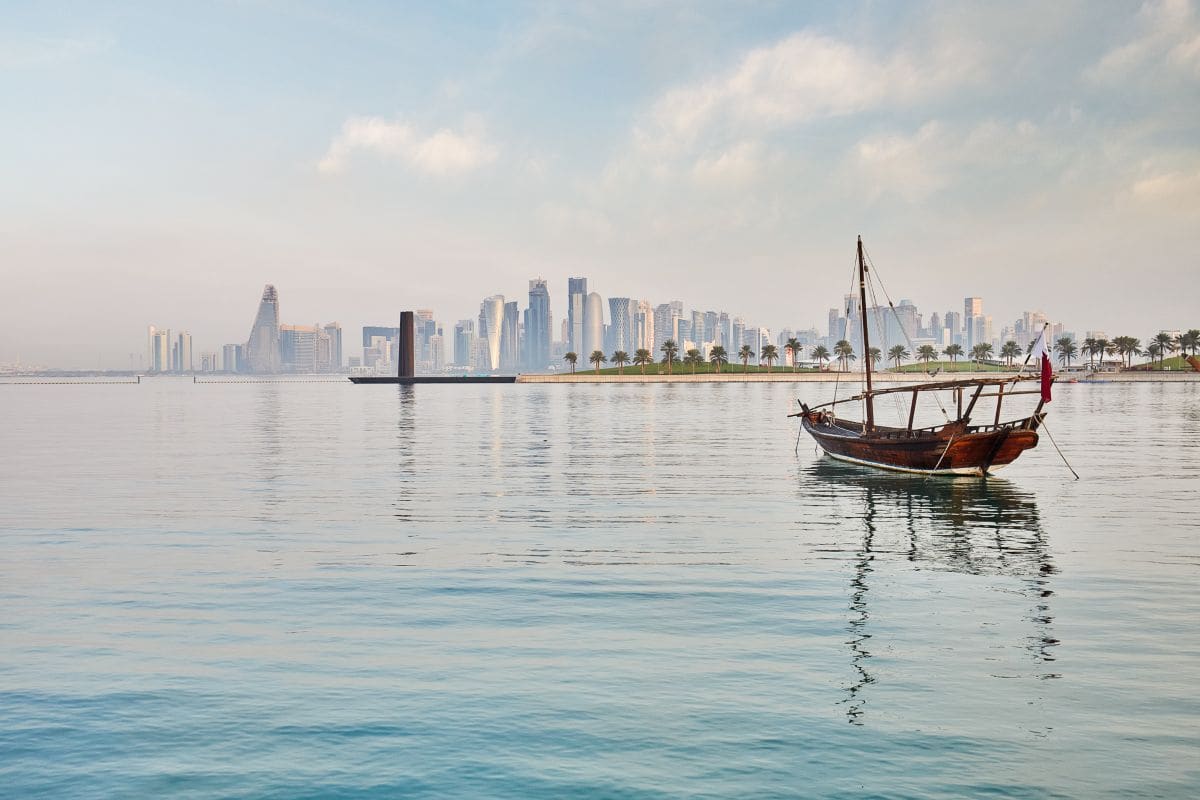
Qatar recorded 303,000 visitors in August, a modest 6.3% increase from July's 285,000, according to Qatar Tourism. The uptick marks another small step in what has been a difficult recovery for the Gulf nation's tourism sector.
Through the first eight months of 2026, total arrivals across land, air, and sea ports reached 2.3 million. That figure sits 30% below the 3.3 million visitors recorded during the same period last year. For a country that welcomed 5.1 million travelers in all of 2025, the shortfall is significant.
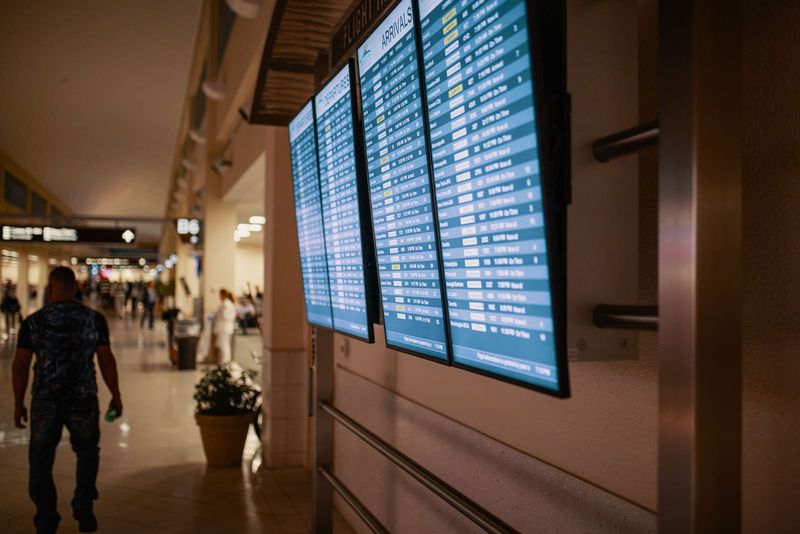
The decline traces back to the U.S.-Iran conflict that began in late February. Airspace closures and regional travel disruptions sent arrivals plummeting from a January peak of 646,000 to just 63,000 in March, a 90% drop. While the numbers have been climbing since, the pace remains sluggish.
Who's Still Traveling to Qatar
Visitors from the Gulf Cooperation Council countries continue to form the backbone of Qatar's tourism, accounting for 958,000 arrivals, or 41% of the total through August. Asia and Oceania followed closely with 489,000 visitors, representing 20.9% of the mix. Europe contributed 486,000 arrivals, or 20.8%.
The reliance on GCC travelers reflects both geographic proximity and cultural ties, but it also highlights a vulnerability. When regional tensions flare, these short-haul markets are often the first to pull back.
The Hotel Room Question
Qatar built significant hotel capacity ahead of the 2022 World Cup, a decision that made sense for a mega event but has created challenges in the years since. The country now faces the task of filling those rooms without the guaranteed demand of a global tournament.
The strategy appears to hinge on attracting high-value visitors who stay longer and spend more, rather than chasing volume. But with arrivals down sharply and a large inventory to fill, that balance is proving difficult to strike.
The government has been clear about its intentions to use major sporting events as anchors. The country is set to host F1 and MotoGP races, and it's bidding for the 2030 Asian Games and a potential 2036 Olympic Games. These events could provide temporary surges in demand, much as the World Cup did, but they don't solve the longer-term question of sustainable occupancy.
What F1 and Other Events Can Do
Formula 1 races generate substantial international attention and bring in a specific type of traveler: affluent, often corporate-backed, and willing to spend on accommodation and experiences. The same applies to MotoGP. If these events go ahead as planned, they could deliver a meaningful boost to hotel occupancy and ancillary spending.
But there's an asterisk. Regional security concerns remain a factor. The conflict that disrupted travel earlier this year has eased, but it hasn't disappeared. Event organizers and travelers alike will be watching closely. Any escalation could lead to postponements or cancellations, which would leave hotels with empty rooms during what should be peak periods.
The 2030 Asian Games bid, if successful, would offer a longer runway for planning and infrastructure use. An Olympic bid for 2036 would be even more ambitious, but it's also more speculative. Both would require sustained political stability and a demonstrated ability to manage large-scale international events beyond the World Cup.
A Recovery Still Taking Shape
Qatar's tourism sector is moving in the right direction, but the pace is uneven. The 6.3% month-on-month gain in August is encouraging, yet it's a small increment against a large deficit. The country needs several more months of steady growth just to approach last year's figures, let alone exceed them.
The broader question is whether the mix of high-profile events and targeted marketing to premium travelers can offset the structural challenges. Qatar has the infrastructure and the financial resources to invest in tourism, but it also has a supply-demand imbalance that won't resolve quickly.
For now, the focus is on the next event on the calendar. F1 and MotoGP offer near-term opportunities to fill rooms and generate buzz. Whether that translates into a durable recovery will depend on factors well beyond the race schedule.