A Time Capsule on Paper
Lydia Swinscoe found herself holding a relic from the pre-smartphone era: a Lonely Planet guide to Sri Lanka published 25 years ago, back when travel planning meant thumbing through dog-eared pages instead of scrolling through TikTok. As a resident of Colombo, she knew the city's dining landscape had transformed over two and a half decades. The question nagged at her: how many of those old recommendations were still around?
Rather than wonder, she decided to find out. She set out to visit every single restaurant listed in that vintage guidebook, turning nostalgia into a methodical culinary expedition.
What Survives, What Doesn't
The exercise revealed something more interesting than a simple head count of shuttered versus surviving establishments. It exposed the layers of Colombo's food culture, the tension between preservation and progress, and the economics of staying power in a city that has seen considerable upheaval.
Some restaurants on those yellowed pages have vanished entirely, victims of rising rents, changing tastes, or the broader economic shifts that swept through Sri Lanka over the past quarter-century. Others have evolved, adapting their menus or interiors while keeping their names and locations intact. A select few remain almost frozen, serving the same dishes in the same spaces, as if the guidebook were still current.
The Survivors
The restaurants that have endured tend to share certain traits. Many occupy their own buildings rather than leased storefronts, insulating them from the rent pressures that have driven out smaller operators. Others have cultivated loyal local followings that sustain them even when tourist flows dry up, whether from civil conflict, economic crisis, or pandemic lockdowns.
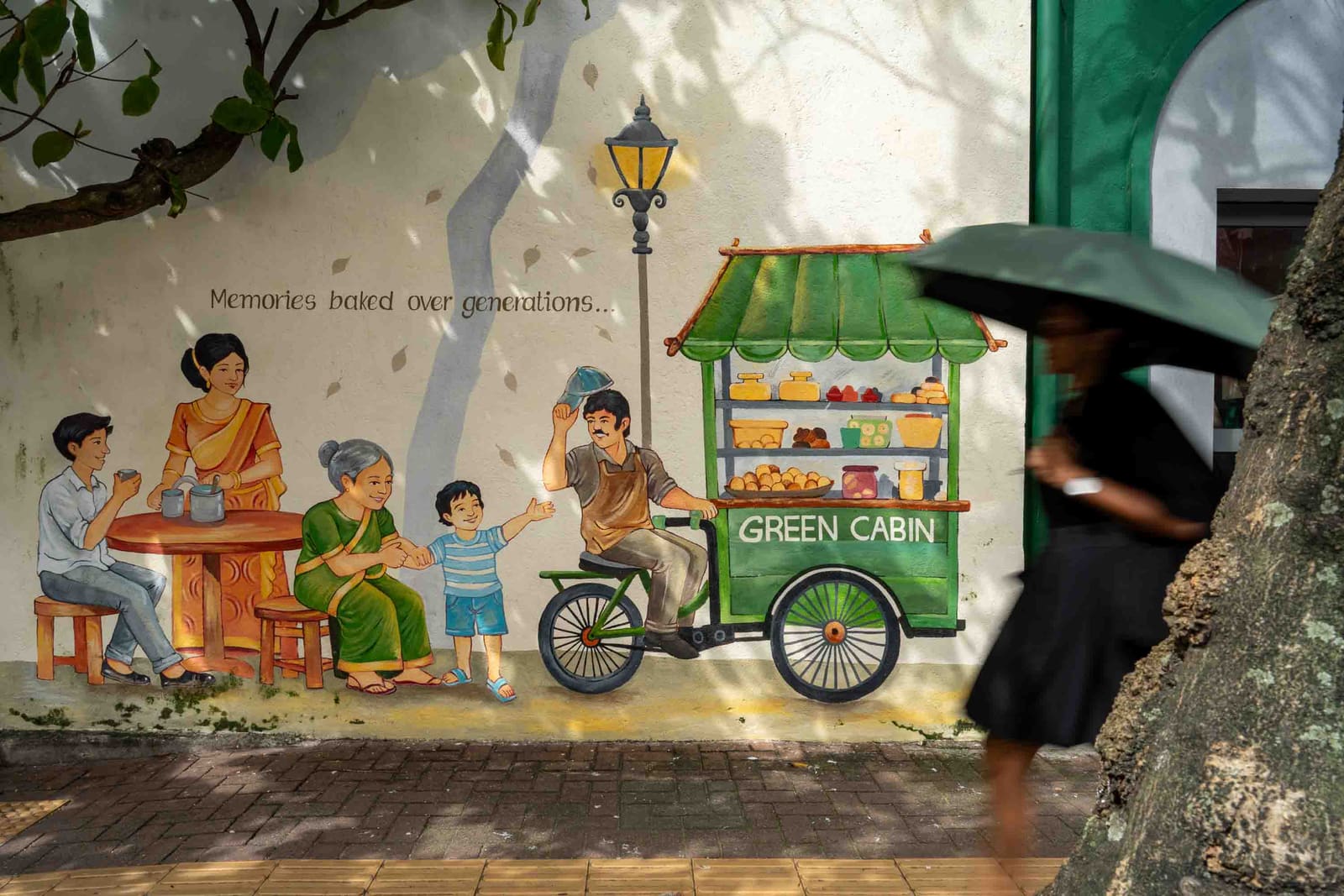
Family ownership appears again and again among the survivors. These establishments often passed from one generation to the next, with recipes and routines handed down alongside the business itself. That continuity seems to matter more than flashy renovations or social media presence.
What the Exercise Reveals
Swinscoe's project offers a snapshot of how cities change and what gets left behind. Guidebooks, especially those published before the internet reshaped travel, functioned as curated archives. They captured a moment, then sat on shelves as the world moved on. Revisiting those recommendations decades later becomes an informal audit of resilience.
For Colombo, the results reflect broader patterns. The city has grown, gentrified in patches, and weathered political and economic instability. Dining establishments that lasted through all of that tend to be the ones that served a purpose beyond novelty, rooted in neighborhoods rather than tourist circuits alone.
The Limits of Nostalgia
There is a temptation to romanticize the survivors, to treat longevity as proof of quality. But persistence does not always equal excellence. Some restaurants endure because they are genuinely good. Others survive through inertia, name recognition, or favorable lease terms. A few may simply occupy locations that never attracted competition.
Swinscoe's experiment does not settle which category each restaurant falls into. It simply confirms they are still there, still serving food, still part of the city's fabric. Whether they deserve a spot in the next guidebook is a separate question.
A Different Kind of Travel Writing
Using an outdated guidebook as a roadmap is the opposite of chasing the latest opening or the most Instagrammed dish. It prioritizes history over hype, continuity over novelty. In a travel landscape increasingly dominated by algorithms and influencer endorsements, there is something appealingly analog about following a paper trail that predates both.
For residents like Swinscoe, the exercise also reframes familiar surroundings. Colombo's dining scene, seen through the lens of a 25-year-old guidebook, becomes less about discovering new spots and more about recognizing what has quietly persisted. It turns everyday streets into archives, and meals into small acts of preservation.
The experiment does not answer every question about Colombo's restaurant culture, but it asks the right ones. What does it take to last? What gets lost along the way? And what does a city choose to keep when everything else is changing?