A Ship Holding Its Ground
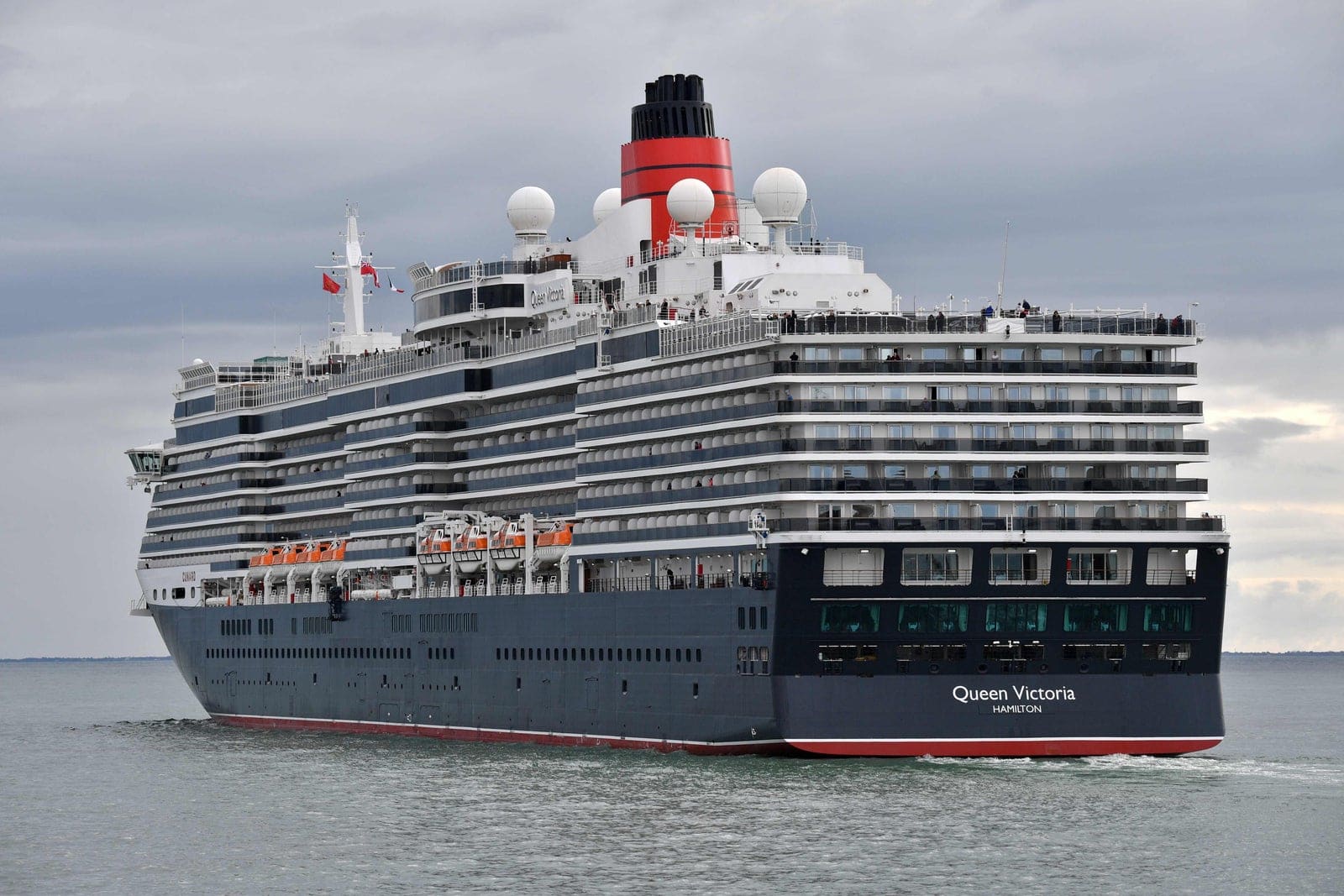
When Queen Victoria launched in 2007, cruise ships were still relatively modest in size and ambition. Nearly two decades later, the vessel remains one of Cunard's workhorses, carrying 2,000 guests at a time through routes that favor intimacy over spectacle. This autumn, the ship will pause for its first significant update in nine years.
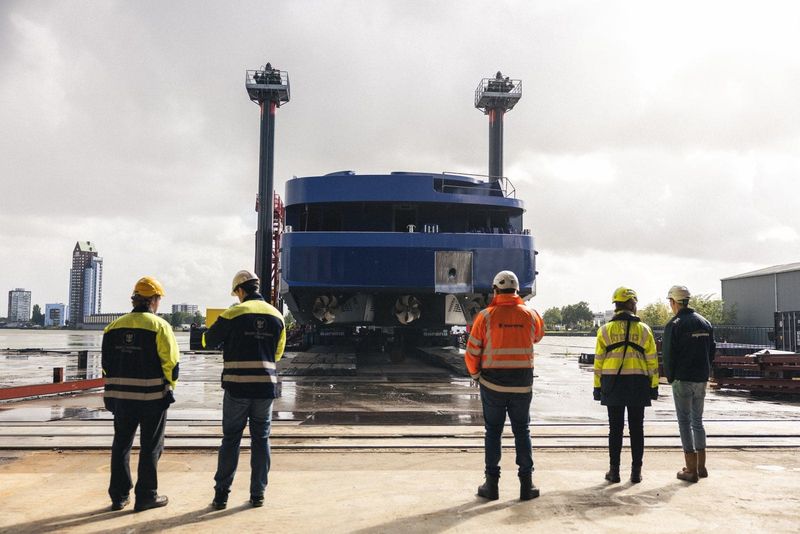
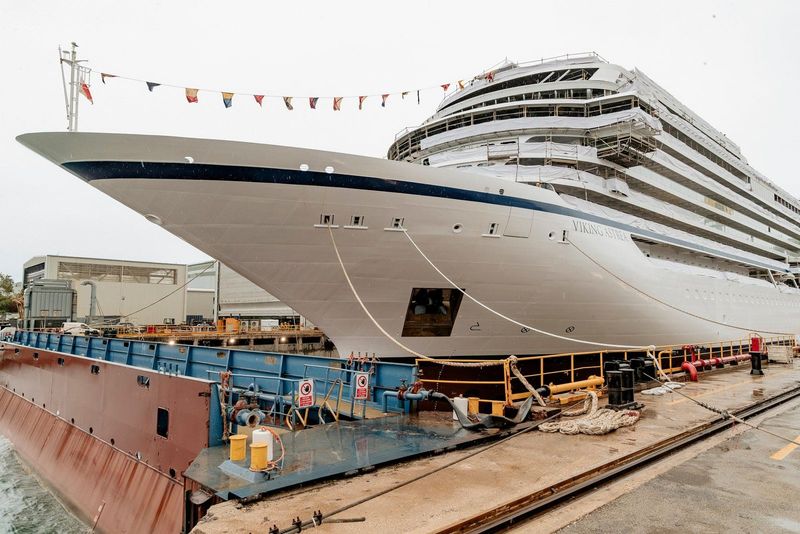
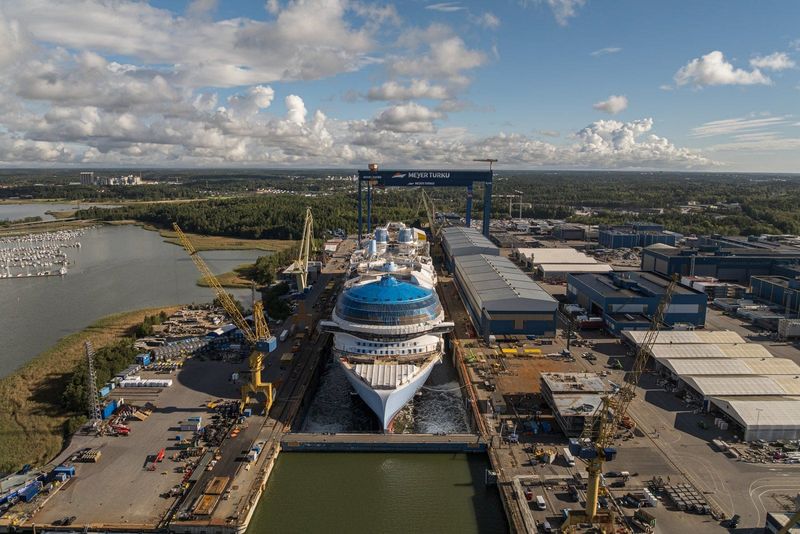
Cunard announced that Queen Victoria will enter Damen Shiprepair's Rotterdam facility on 17 October 2026, emerging on 5 November with refreshed interiors, additional cabins, and a wellness-focused dining venue. The work represents a calculated bet: that a ship's character can be preserved even as passenger expectations shift toward health-conscious menus and floor-to-ceiling glass.
What Changes, What Stays
The Grand Lobby and Queens Room, two spaces central to the ship's identity, will receive new decor. The Queens Room in particular carries weight for Cunard loyalists. It's where the line stages its white-gloved afternoon tea service and evening galas, rituals that anchor the brand's appeal to travelers who value formality. Touching these spaces is delicate work; too much change risks alienating repeat guests, too little suggests stagnation.
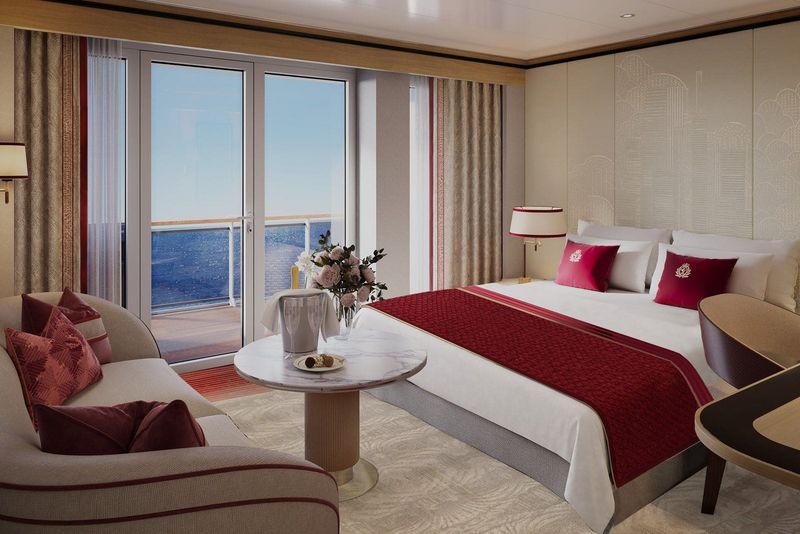
Queens Grill and Princess Grill suites will gain updated furnishings, though Cunard has not specified whether layouts or square footage will shift. Eight new Britannia staterooms will be carved into existing space, including three in a new premium tier called Britannia Deluxe Oceanview. These will feature floor-to-ceiling windows, a design choice that has become standard on newer ships but represents a departure for Queen Victoria's original aesthetic. The new cabins go on sale 20 July for sailings starting 11 November 2026.
The Wellness Bet
The most revealing addition is the Pavilion Wellness Cafe, a concept Cunard introduced on Queen Anne and later installed on Queen Elizabeth. The venue serves breakfast, lunch, and daytime meals built around plant-based dishes, with sustainably sourced meat, fish, and dairy available as supplements rather than defaults.
It's a telling shift for a line historically associated with traditional British dining. Wellness cafes are now common on major cruise ships, but their presence on a nearly 20-year-old vessel signals that Cunard sees health-focused dining as more than a passing trend. The question is whether the format will resonate with Queen Victoria's existing passenger base, or if it's designed to court a younger demographic.
The Broader Picture
Queen Victoria's refit arrives at a moment when cruise lines are weighing the costs of maintaining older ships against the expense of building new ones. Refurbishments extend a vessel's commercial life, but they rarely transform its fundamental appeal. Queen Victoria will still be smaller, slower, and less technologically integrated than newer competitors. What it offers instead is continuity, a quality that matters to a segment of travelers who prefer familiar routines to cutting-edge amenities.
The ship's post-refit schedule includes voyages through the Mediterranean, Norwegian fjords, and Canary Islands. These are routes that suit a mid-sized vessel, where port access and maneuverability matter more than onboard spectacle. Cunard is framing the update as a refinement rather than a reinvention, a distinction that reflects both the ship's loyal following and the limits of what can be achieved in three weeks of drydock.
Katie McAlister, Cunard's president, emphasized the balance the line is trying to strike, noting that the ship's "distinctive character, intimate spaces and unmistakable sense of British elegance" would remain central to the experience. That language suggests Cunard is aware of the risk: that in trying to modernize, it could dilute what made the ship appealing in the first place.
What It Reveals
The Queen Victoria refit is less about dramatic transformation than strategic maintenance. The wellness cafe and additional suites nod toward current market preferences, but the core experience will remain rooted in the traditions that have defined Cunard for decades. Whether that approach can attract new passengers while retaining old ones will become clear once the ship returns to service in November.
For now, the project offers a case study in how legacy cruise lines navigate the tension between heritage and evolution. Queen Victoria will emerge with updated interiors and a few new amenities, but its essential identity, built around formality and British maritime tradition, will remain intact. That consistency is either the ship's greatest asset or its primary limitation, depending on what travelers are looking for when they board.