A Small Town with Growing Appeal
Hudson, a riverfront town in upstate New York, is starting to register on the radar of travelers looking for a weekend break from the city. Positioned about two hours north of Manhattan along the Hudson River, the town has built a reputation on a few things: a compact downtown you can cover on foot, a cluster of independent art galleries, nearby waterfall trails, and a handful of small hotels that lean toward the boutique end without the flash.
It is not a new discovery. Hudson has been through several cycles of reinvention since its 18th-century heyday as a whaling port. What is different now is the volume of people willing to drive past more famous destinations to spend a Saturday there. The town is small, with a population hovering around 6,000, and its main commercial strip runs for only a few blocks. That scale is part of the draw.
What Brings People In
The appeal is layered. For some, it is the galleries. Warren Street, the town's main artery, has become a corridor of antique shops and contemporary art spaces, many of them opened by dealers and artists who left New York City in search of lower rents and more space. For others, it is the food. A handful of restaurants have opened in recent years that serve the kind of cooking that typically requires a reservation in Brooklyn - seasonal menus, local suppliers, natural wine lists - but without the two-week wait.
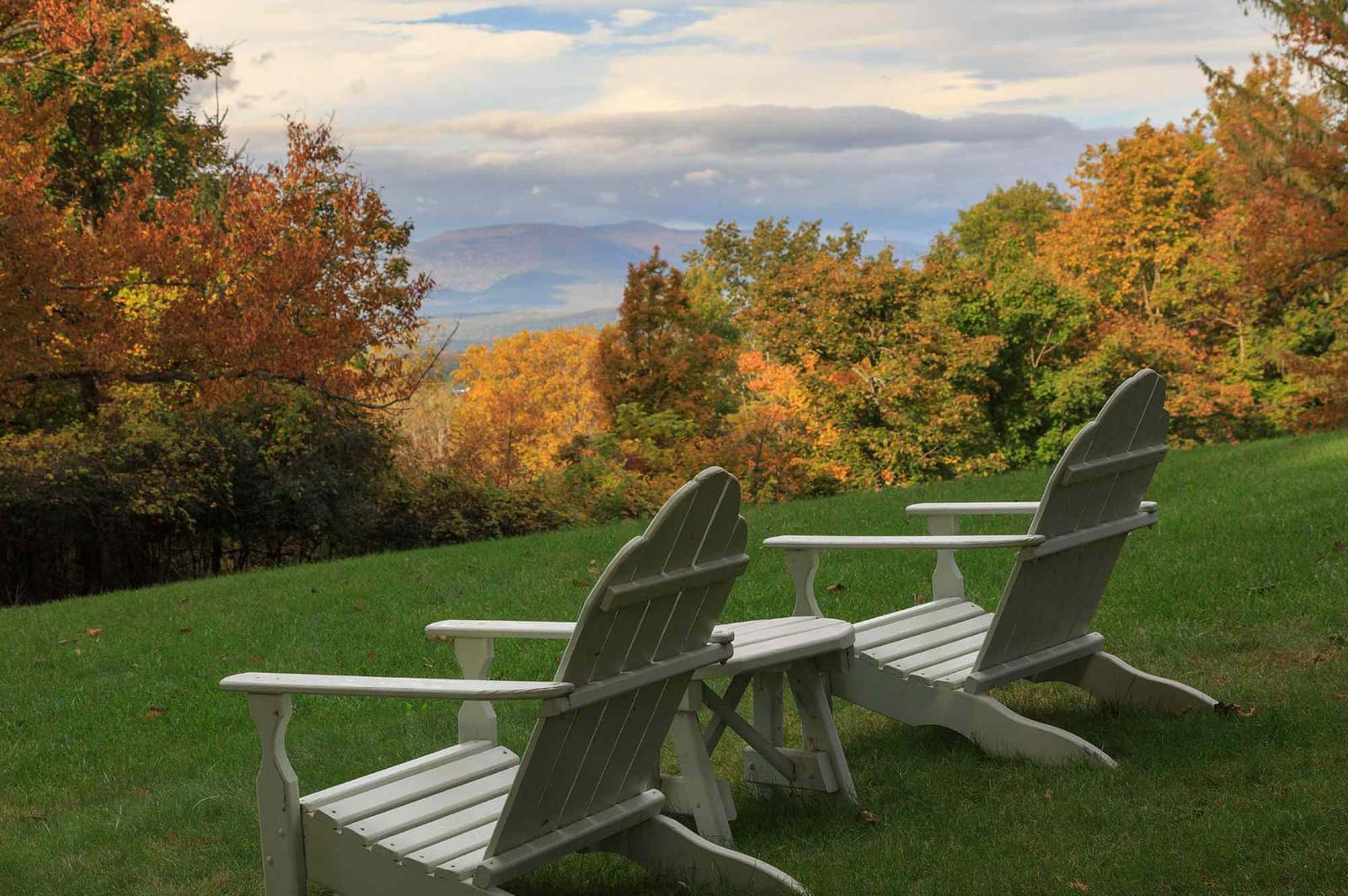
Then there is the landscape. Hudson sits at the western edge of the Taconic Range, and within a 20-minute drive you can reach trailheads that lead to waterfalls, ridge walks, and views over the river valley. Kaaterskill Falls, one of the tallest waterfalls in New York State, is less than 30 minutes away. Olana State Historic Site, the hilltop estate of painter Frederic Edwin Church, is just south of town and draws visitors for both its architecture and its vantage point over the river.
The town also benefits from proximity without saturation. It is close enough to the city to make a spontaneous trip viable, but far enough to feel removed. Unlike the Hamptons, where summer traffic can stretch a two-hour drive into four, or the Catskills, where certain towns have become synonymous with weekend crowds, Hudson still operates at a pace that feels unhurried.
The Lodging Landscape
Accommodations in Hudson reflect the town's aesthetic. There are no chain hotels. Instead, visitors choose from a handful of small properties, most of them renovated historic buildings. The Rivertown Lodge, a former motor inn, was overhauled into a mid-century-inspired retreat with 27 rooms. The Maker Hotel, opened in a converted factory, leans industrial. Wm. Farmer and Sons, a newer addition, occupies a 19th-century building and offers 11 rooms with a restaurant on the ground floor.
These properties are not inexpensive. Weekend rates in summer can push past 300 dollars a night, putting Hudson in line with other boutique markets in the region. But they are smaller in scale than the resorts that dominate other upstate destinations, and that intimacy is part of the pitch.
The Crowd It Attracts
Hudson draws a particular kind of traveler. The town does not cater to families looking for activities or groups seeking nightlife. It appeals more to couples, solo travelers, and small groups interested in a slower rhythm - people who want to walk through a few galleries, eat a long lunch, and spend an afternoon on a trail without feeling obligated to fill every hour.
The town has also become a draw for people considering a move out of the city. Real estate interest has climbed in the past few years, and Hudson now sits at the intersection of weekend destination and potential relocation spot. That shift brings both energy and tension. Longtime residents have watched rents rise and storefronts change hands, a pattern familiar to small towns that become fashionable.
The Risk of Over-Discovery
Hudson's appeal rests on its quietness, and that is also its vulnerability. The town is still manageable on a summer Saturday, but the balance is delicate. A few more hotels, a few more weekend visitors, and the atmosphere that makes it attractive could shift. It has happened before in other towns along the river valley - Cold Spring, Beacon - where an influx of day-trippers and new development changed the character of the place.
For now, Hudson remains on the gentler side of that equation. It is busy enough to support a range of independent businesses, but not so crowded that it feels overrun. Whether that equilibrium holds depends on how quickly the word spreads and how the town manages growth.
Getting There and Getting Around
Reaching Hudson from New York City is straightforward. By car, it is a two-hour drive north on the Taconic State Parkway or the New York State Thruway. Amtrak also runs a direct line from Penn Station to Hudson, with the trip taking just under two hours. The train station sits on the eastern edge of town, about a 10-minute walk from Warren Street.
Once there, most visitors do not need a car. The downtown area is compact, and nearly everything worth visiting falls within a half-mile radius. For trips to nearby hiking spots or Olana, a car becomes useful, but for a weekend spent in town, walking suffices.
A Snapshot, Not a Prescription
Hudson is not trying to be the next anything. It does not have the polish of a resort town or the infrastructure of a major destination. What it offers is a different kind of weekend - one built on smaller pleasures and fewer obligations. For travelers fatigued by the logistics and crowds of more popular escapes, that might be enough.