A Sharp Rise in What It Costs to Leave
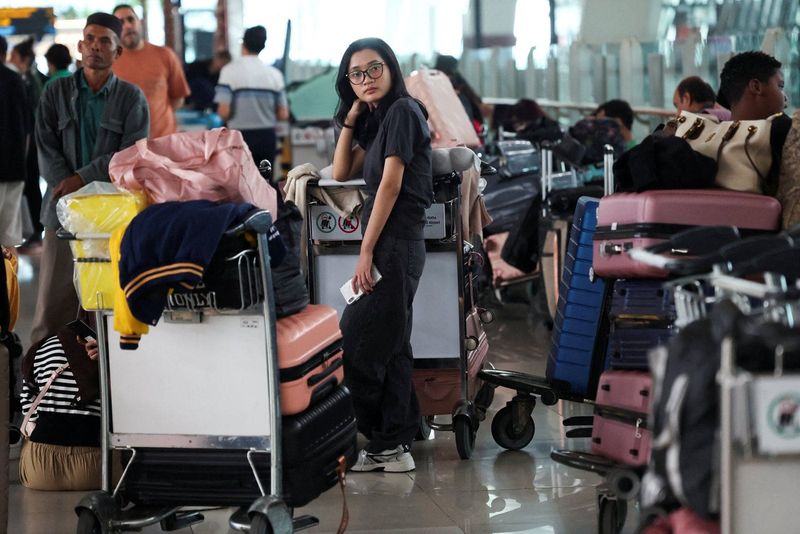
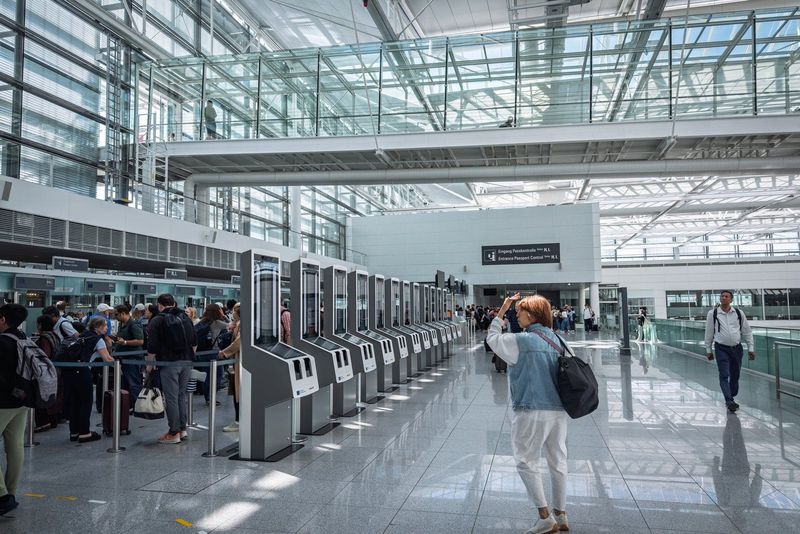
As of 1 July 2026, anyone departing Japan by air or sea now pays 3,000 yen, roughly 16 euros, up from the 1,000 yen that had been in place since 2019. The levy, commonly folded into airfare and cruise tickets, applies to residents and visitors alike. Only children under two, transit passengers leaving within a day, crew members, and certain diplomatic travelers are exempt.
The increase affects tickets purchased from 1 July onward. Those who bought earlier can still travel under the old rate, a small grace period that will narrow as the summer booking window closes.
Japan expects the tripled fee to generate around 120 billion yen annually, nearly double the 50 billion yen collected under the previous structure. Officials have earmarked the funds for infrastructure upgrades, efforts to spread visitors beyond saturated hotspots, and expanded lodging capacity in regions that see fewer tourists.
Visa Costs Jump After Fifty Years
The departure tax is not the only fee climbing. For travelers from countries without visa-waiver agreements, single-entry visas have risen from 3,000 yen to 15,000 yen, while multi-entry permits now cost 30,000 yen, up from 6,000 yen. The adjustment is the first in five decades and applies to both leisure and business arrivals.
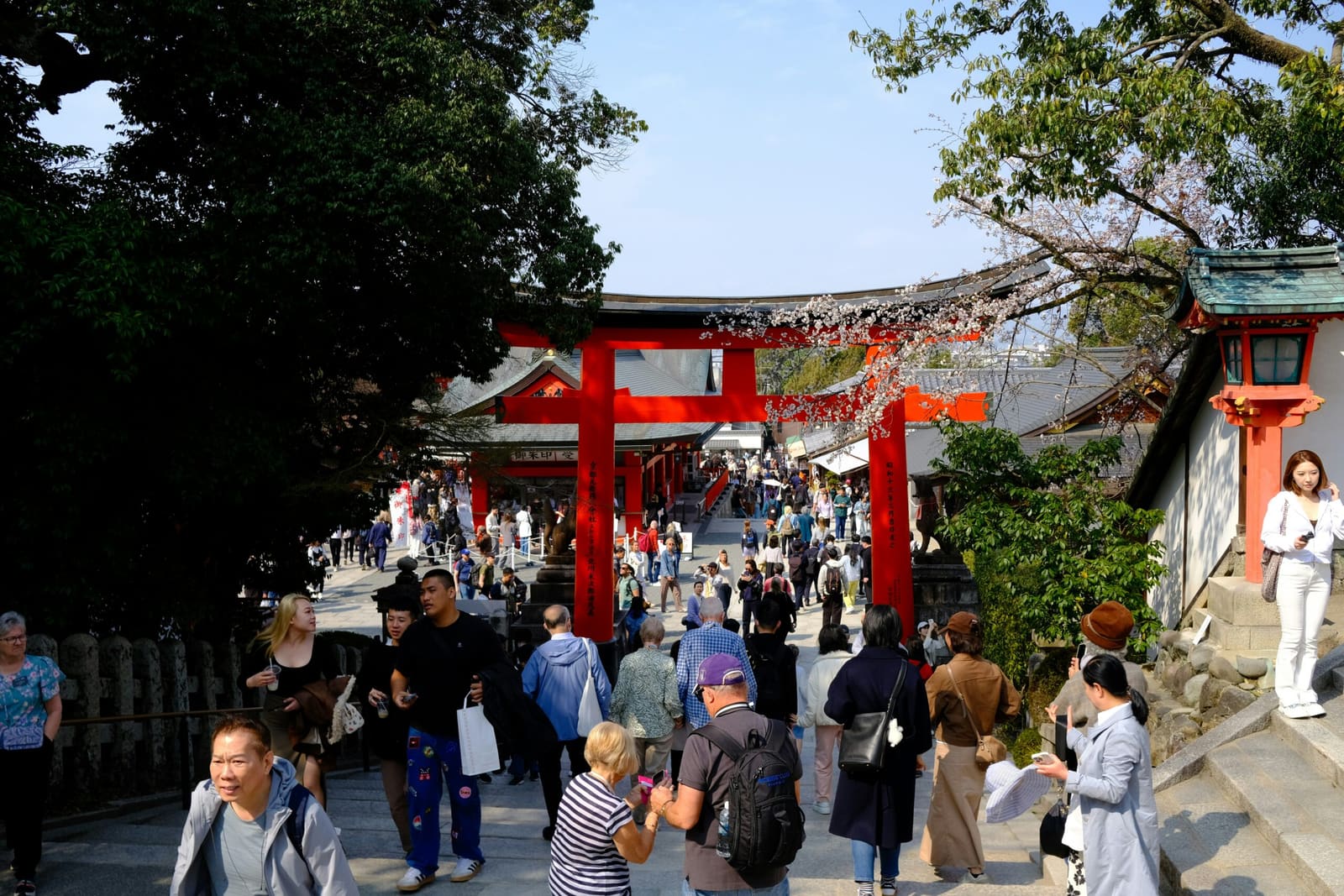
The timing is notable. Japan welcomed 42.4 million international visitors in 2025, and the government is aiming for 60 million by 2030. That growth has strained popular sites. Mount Fuji's trails have seen congestion and litter complaints. Kyoto's narrow streets, built for a different era, now contend with tour buses and crowds that bottleneck temple entrances and residential lanes.
Local Taxes Pile On
National fees are only part of the picture. Kyoto raised its accommodation tax in March 2026, introducing a sliding scale that charges up to 10,000 yen per person per night for rooms priced above 100,000 yen. The previous cap sat at 1,000 yen. Other cities are considering similar moves, using local levies to fund waste management, public transport improvements, and visitor information services that have been stretched thin.
The patchwork of charges reflects a broader tension. Japan spent years courting international travelers, easing visa rules and investing in multilingual signage. That effort succeeded, perhaps too well. Now the country is recalibrating, using price as one lever to manage volume and fund the infrastructure needed to absorb it.
What It Means for Travelers
For budget-conscious visitors, the combined effect is tangible. A family of four from a visa-required country now faces 60,000 yen in single-entry visa fees alone, before adding exit taxes and local accommodation levies. That is a meaningful chunk of a trip budget, especially for travelers who might have chosen Japan over destinations with lower entry costs.
At the same time, the fees are not likely to deter high-spending tourists or those who have long planned a visit. The yen's relative weakness over the past few years has made Japan more affordable in other respects, offsetting some of the new costs. And for travelers from visa-waiver nations, the departure tax remains a modest line item compared to airfare and lodging.
The real question is whether the revenue will be deployed effectively. Japan has struggled with uneven tourism distribution for years. Kyoto and Tokyo absorb the majority of visitors, while rural prefectures with strong cultural assets remain undervisited. If the new funds accelerate transport links, improve regional marketing, and make secondary destinations more accessible, the fees could help rebalance the system. If they simply patch existing infrastructure without addressing the geographic imbalance, the pressure on popular sites will continue to build.
A Shift in Philosophy
The fee increases also signal a shift in how Japan views its tourism economy. For years, the focus was on volume: more visitors, more spending, more economic stimulus. Now the conversation has turned to sustainability and quality. The government has begun talking about carrying capacity, a term that acknowledges there are limits to how many people a place can absorb without degrading the experience for everyone.
Other countries have taken similar steps. New Zealand raised its visitor levy in 2023. Iceland introduced fees at popular natural sites. Bhutan, which long charged high daily rates, recently adjusted its own structure. Japan is not alone in trying to balance growth with livability.
For residents, the picture is mixed. Passport fees for ten-year documents applied for online have dropped from 15,900 yen to 8,900 yen, a clear signal that the government wants to ease costs for its own citizens while raising them for inbound travelers. That dual approach may help maintain public support for tourism, which has become a political flashpoint in some communities.
The coming years will test whether Japan can manage its popularity without losing the qualities that drew people in the first place. Higher fees are one tool. Better planning, stronger regional infrastructure, and clearer communication about what travelers can expect are others. The departure tax and visa increases are less about discouraging visitors than about funding the systems needed to accommodate them. Whether that investment pays off will depend on how the money is spent and whether the country can steer more travelers away from the same few places everyone wants to see.