A Slot Auction with Real Stakes
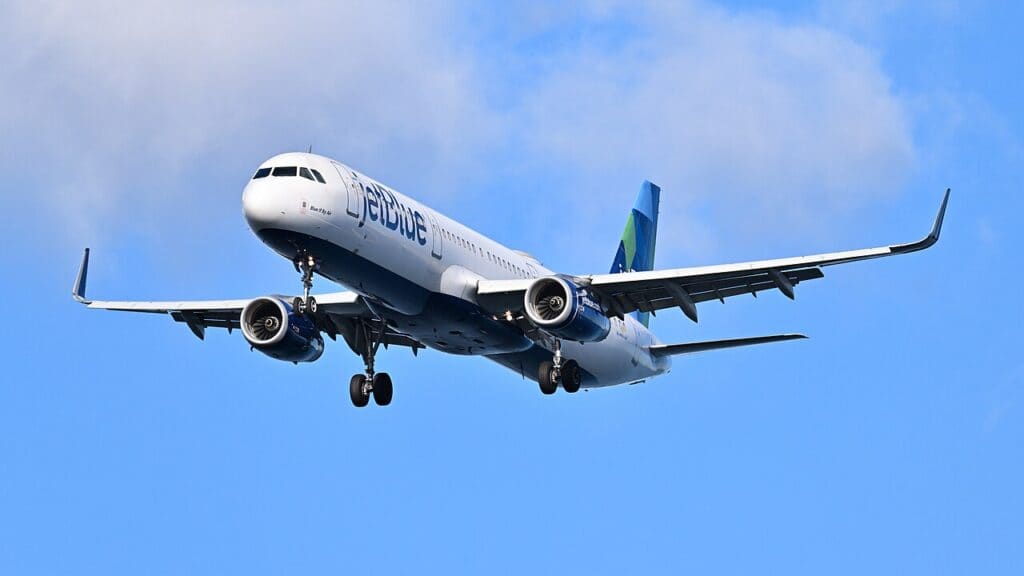
When Spirit Airlines ceased operations in early May, it left behind something valuable: takeoff and landing rights at LaGuardia, where every slot counts. JetBlue Airways won the bankruptcy auction with a $58.5 million bid, beating out Frontier Airlines and several other interested carriers.
The package includes 12 daily departure slots and 10 arrival slots, enough to support up to a dozen new round-trips. JetBlue also plans to occupy Spirit's former space in the Marine Air Terminal, a move that could streamline ground operations and cut costs for the New York-based airline.
LaGuardia is one of the most slot-constrained airports in the country. Airlines can't simply add flights when they feel like it. They need to buy or lease existing rights, which makes any available slots immediately attractive. Spirit had originally valued its LaGuardia assets near $87 million, but regulatory uncertainty drove the final price lower. The FAA hinted it might retire slots if they didn't go to a low-cost carrier, which kept bidding in check.
Frontier reportedly came in at $57.5 million, just a million short. For JetBlue, the win strengthens its position in a home market where it already runs a sizable operation at JFK.
What It Means for Travelers
More flights usually mean more competition, and that tends to benefit passengers. JetBlue's expansion could push fares down on routes where it goes head-to-head with other carriers. The airline offers complimentary Wi-Fi and more legroom than many competitors, a contrast to Spirit's bare-bones approach.
LaGuardia will keep its capacity fully utilized. Retiring the slots might have eased congestion slightly, but it would have reduced options for travelers. Instead, the airport maintains its flight count while swapping in a carrier with a different service model.
The deal still needs final court approval and regulatory sign-off, though most observers expect it to move forward without major obstacles. The FAA has historically favored keeping low-fare carriers in the mix, and JetBlue fits that profile.
A Calculated Bet on New York
JetBlue already has a strong foothold at JFK, but LaGuardia opens up different possibilities. The airport is closer to Manhattan and popular for domestic business travel and short-haul leisure routes. Adding a dozen daily round-trips gives the airline flexibility to test new markets or add frequency on existing ones.
Still, LaGuardia is notoriously difficult to operate at. Delays ripple quickly, and weather can shut down operations faster than at larger airports. JetBlue will need to schedule carefully and make sure its move into the Marine Air Terminal goes smoothly. Fuel prices, staffing, and passenger demand will all play a role in whether the investment pays off.
The $58.5 million price tag is below Spirit's original estimate but still represents a significant commitment. Success hinges on how quickly JetBlue can launch new routes and fill seats.
What Comes Next
JetBlue hasn't announced which routes it will add or when service will begin. Business travelers and frequent flyers are waiting to see whether the airline targets high-demand corridors like Florida, the Southeast, or secondary cities in the Northeast.
The Spirit shutdown is a reminder of how quickly the airline landscape can shift. When one carrier exits, others move in. JetBlue's willingness to invest nearly $60 million in LaGuardia slots signals confidence in New York travel demand, even as broader economic pressures weigh on the industry.
For passengers, the deal promises more choices at a key regional airport. Whether it leads to lower fares or simply more convenient flight times will depend on how JetBlue deploys its new access. Either way, LaGuardia is about to see a new competitor with a different approach to service.