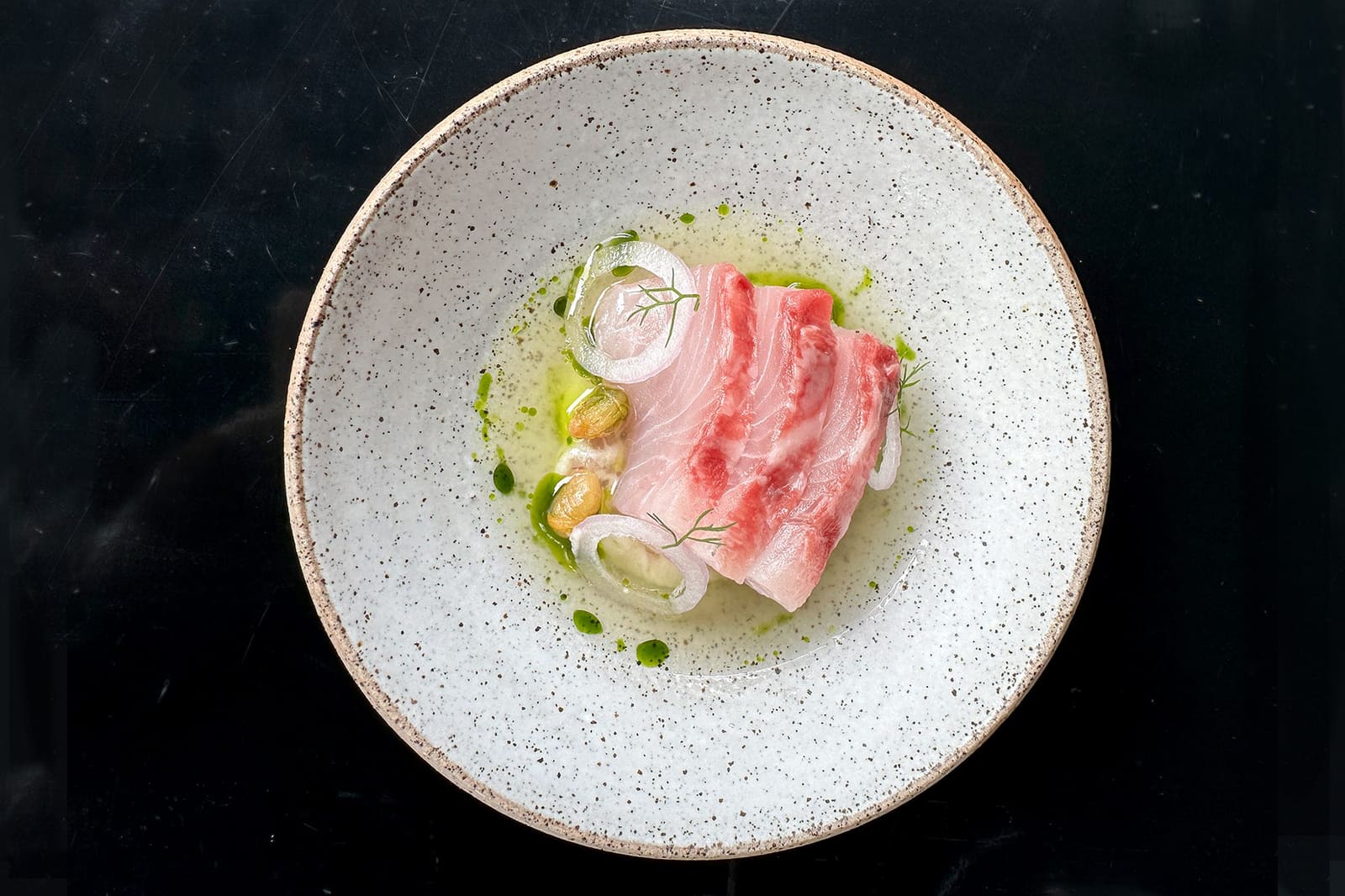
A List Built Over Twenty Years
Lima has earned its reputation as one of the world's top culinary cities, but understanding what makes it special requires looking beyond the restaurants that dominate headlines. Writer Nicholas Gill, who has spent nearly two decades living in Peru's capital on and off, has compiled a dining guide that deliberately breaks from the usual format.
Rather than ranking establishments or chasing what's new, the list organizes Lima's food scene by category: Nikkei, fine dining, chifas, cebicherías, cafés, and more. For visitors on tight schedules, a starred selection highlights ten essential spots. But the real value lies in the breadth.
The Foundation Matters
What sets this guide apart is its emphasis on longevity. Many of the included restaurants have been operating for decades, serving recipes that have barely changed. These are the tabernas, market stalls, and street vendors that hold the foundations of Limeño cooking, yet they rarely appear on lists focused exclusively on the latest openings.
A vendor grilling anticuchos - beef heart skewers - over charcoal on a sidewalk represents as much of Lima's culinary identity as any white-tablecloth establishment. Ignoring these spots means missing the context that makes the city's haute cuisine possible in the first place.
The guide spans price points and formality levels. Some recommendations sit in out-of-the-way neighborhoods and occupy humble spaces. But limiting yourself to upscale dining means tasting only a fraction of what Lima offers, according to Gill. More importantly, you won't grasp the scope of the city's gastronomic range.
Regional Cooking in One City
Lima functions as a culinary crossroads for Peru's diverse regions. Ingredients and cooking styles from across the country converge here, and the guide pays particular attention to restaurants representing Arequipeñan, Chiclayana, Amazonian, and other regional traditions.
This matters because Peru's geography - spanning coast, highlands, and rainforest - produces wildly different cuisines. A bowl of ceviche in Lima might trace its roots to coastal fishing traditions, while a plate of rocoto relleno reflects Arequipa's highland palate. Finding authentic regional cooking in the capital gives visitors a way to understand the country's culinary diversity without leaving the city.
Why Classics Deserve Space
The dining landscape in any major city moves fast. New restaurants open, chefs rotate, and media attention shifts. But a guide built solely on current buzz risks becoming obsolete within months. Classic establishments, by contrast, offer stability.
A cebichería that has been serving the same preparation for thirty years will likely still be there in five more. The recipes have been tested by time, and the techniques have been refined through repetition. These places also tend to reflect local tastes rather than international trends, which makes them more reliable indicators of what Limeños actually eat.
Gill's approach suggests that understanding a city's food culture requires recognizing both innovation and tradition. The new restaurants get plenty of coverage elsewhere. This list makes room for the older ones that still matter.
Navigating a Sprawling Scene
The guide's length reflects Lima's culinary sprawl. With categories ranging from fine dining to street food, and with regional cuisines each getting their own attention, the list becomes a reference tool rather than a quick recommendation engine.
For travelers, this means planning. A short trip might focus on the starred essentials, while a longer stay could allow for deeper exploration of specific categories. Someone interested in Nikkei cuisine - the Peruvian-Japanese fusion that has become a signature of Lima - can find dedicated options. Someone else chasing the best chifa, or Chinese-Peruvian food, has a separate set of recommendations.
The structure also acknowledges that not everyone wants the same experience. A business traveler grabbing lunch near Miraflores has different needs than a food writer spending a month researching street vendors in La Victoria.
The Living Document
Gill notes that the list will be updated regularly, which addresses one of the persistent problems with dining guides: they age poorly. Restaurants close, chefs leave, quality shifts. A guide that gets refreshed as the city changes remains useful longer.
This also means the list can incorporate new openings without losing its focus on classics. A restaurant that opens today and proves itself over months or years can eventually earn a place alongside the decades-old establishments. The criteria shifts from newness to durability.
For a city as dynamic as Lima, where the culinary scene continues to evolve while honoring deep traditions, a guide that balances both timelines makes sense. It gives travelers a way to eat well now while also understanding the history that shaped the plate in front of them.