A Royal Past, Now Open to Travelers
Wardrobe Place in London doesn't look particularly regal at first glance. The cluster of terraces wrapped around a private courtyard feels more residential than royal, and that's largely the point. But the ground beneath them tells a different story. Until 1666, this site held the Royal Wardrobe, a facility that safeguarded the king's ceremonial robes, tapestries, armor, and state regalia. The Great Fire of London reduced the building to ash, and the monarchy never rebuilt it. Instead, the contents were scattered across the Tower of London and various royal residences, and the chapter closed.
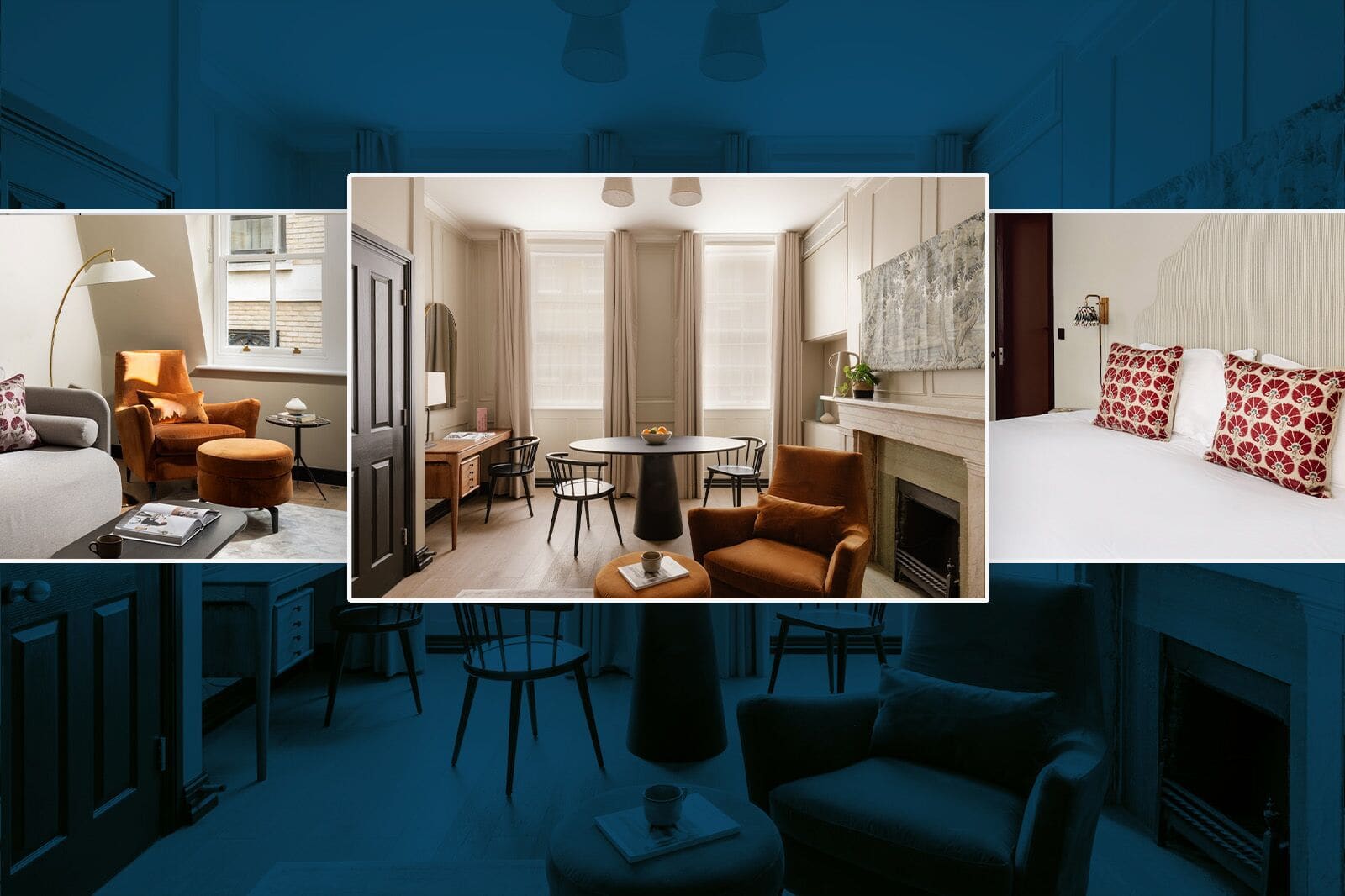
The terraces that replaced it were laid out in the late 17th century, and today, eight of them house Native King's Wardrobe, an aparthotel that blends self-catered convenience with the structure of a hotel. Each terrace bears the name of a notable fashion designer, a nod to the site's sartorial heritage. The location, minutes from St Paul's Cathedral, places guests in the middle of London's oldest quarter, where narrow streets and historic landmarks sit alongside modern offices and weekend markets.
The Aparthotel Model in Practice
The aparthotel format occupies a middle ground that appeals to travelers who want space and autonomy but prefer not to deal with the uncertainties of a traditional rental. Native operates properties in London, Manchester, Brighton, and Glasgow, and the King's Wardrobe location reflects the company's broader approach: self-contained apartments with front-desk support and daily housekeeping.
Studios start at around £292 per night, which aligns with upper mid-range hotel rates in central London. There are no booking fees, and optional charges like pet fees or parking are disclosed upfront. Check-in happens at Counter, a ground-floor space that doubles as a coffee shop, wine bar, and informal concierge desk. Guests receive a physical escort to their apartment, a walkthrough of the appliances, and a WhatsApp contact for any questions that arise during the stay.
The setup works particularly well for remote workers. The one-bedroom apartments come with proper desks and ergonomic seating, a detail that matters when you're logging hours on a laptop. Kitchens are fully equipped, with essentials like coffee, milk, and cooking oil already stocked. A QR code links to instructions for the appliances, and another directs to a library of simple recipes under the Cooking With Native initiative, which offers an alternative to ordering takeout or hiring a private chef.
Air conditioning is available in summer, and most units are accessible by elevator, two features that aren't guaranteed in older London buildings. Many apartments also include a washing machine. Despite the central location and proximity to pubs, the soundproofing holds up. Even with windows open on a warm evening, street noise doesn't intrude, and blackout curtains handle the early summer sunrise.
Location as a Draw
Native's broader ethos centers on neighborhood exploration, and King's Wardrobe delivers on that front. The aparthotel sits in the City of London, the historic financial district that empties out on weekends but hums with energy during the week. St Paul's Cathedral is a few minutes' walk away, and the Thames Path runs along the river just to the south, connecting Tate Modern and Shakespeare's Globe within a 15-minute stroll. Tower Bridge is reachable on foot to the east, and the West End theatres lie to the west.
Guests receive a pocket-sized map marked with nearby landmarks and lesser-known spots like independent bookstores, cocktail bars with views of Christopher Wren's cathedral, and the Barbican Conservatory, a hidden tropical glasshouse tucked inside a brutalist arts center. The walkability of central London works in the aparthotel's favor. Zone 1, despite its sprawl, is largely navigable on foot, and staying at King's Wardrobe puts most major sights within reasonable reach without requiring a Tube ticket.
The courtyard setting also creates a buffer from the bustle. While the surrounding streets fill with commuters and tourists during the day, the terraces around Wardrobe Place feel removed, offering a quieter return at the end of an outing. That sense of retreat, combined with the convenience of a 24-hour front desk and daily housekeeping, makes the aparthotel model appealing for both short stays and longer visits.
Who It Suits
The aparthotel format won't suit everyone. Travelers who prefer full-service hotels with restaurants, bars, and concierge teams will find the offerings here more stripped-down. But for those who value space, autonomy, and the ability to cook their own meals without sacrificing the security of a staffed property, the model works. It's particularly well-suited to solo travelers who want the reassurance of a front desk, couples seeking more room than a standard hotel offers, and remote workers who need a functional workspace and reliable Wi-Fi.
The price point sits above budget accommodations but below luxury hotels, which positions it as a practical option for travelers willing to pay for location and convenience without splurging on extras they won't use. The lack of hidden fees adds transparency, and the neighborhood focus encourages exploration beyond the usual tourist circuits.
The Royal Wardrobe is long gone, but the site continues to serve travelers, now in a form that blends history with modern practicality. Whether that history adds to the appeal depends on the traveler, but the location, layout, and hybrid model stand on their own.