Underwater Meditation
The guide counted to three. A group of snorkelers jumped from a small boat into the water at Cabo Pulmo National Park. Below the surface, a school of bigeye jacks appeared, a living mass with no visible beginning or end. The fish moved with indifference to the humans swimming above. The silence underwater, the amplified sound of breathing through a snorkel, and the sunlight filtering through the school created a moment that felt more like meditation than recreation.
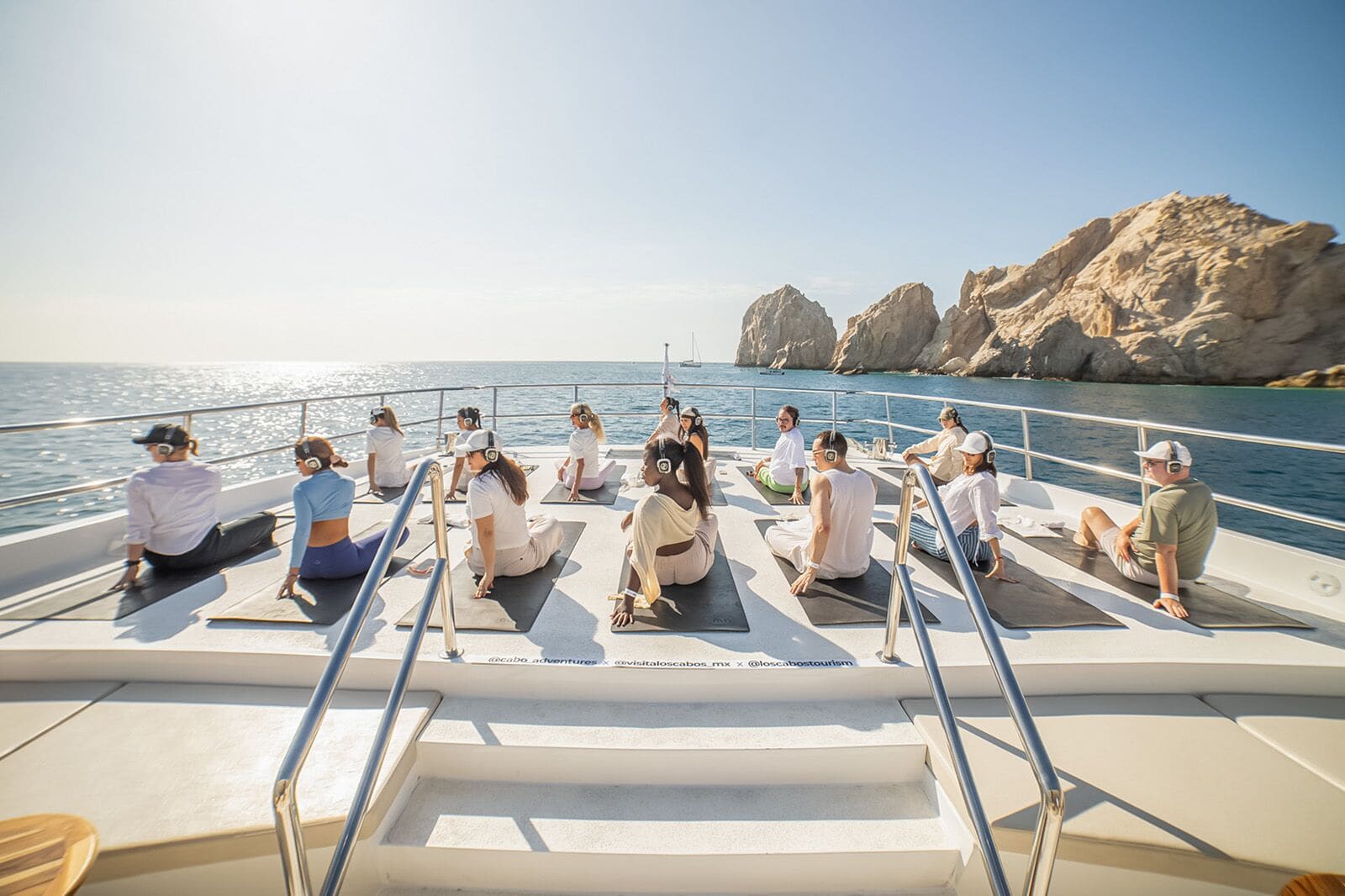
This scene captures something essential about wellness travel in Los Cabos today. The most memorable experiences often happen outside the carefully designed spa rooms and yoga pavilions. They happen in the water, in the desert, and in front of natural features that require no branding to leave an impression.
Wellness tourism in Los Cabos has grown sharply in recent years. According to the Los Cabos Tourism Board, the share of visitors participating in wellness activities rose from 12 percent in 2019 to nearly 19 percent in 2025, representing around 800,000 people in the past year. The industry has evolved from a hotel amenity into a primary reason people choose the destination.
From Amenity to Motivation
Two decades ago, spa treatments in Mexico often felt like side activities, something to fill an afternoon at an all-inclusive resort. Today, many travelers begin planning trips by looking at wellness offerings first. Massages, meditation sessions, and structured health programs now shape itineraries rather than supplement them.
Lighuen Desanto, co-founder of SUDA, a company designing wellness experiences globally, explains the shift simply: people now travel to return home better than when they left. The change reflects broader patterns in how people think about rest, burnout, and what they want from time away.
Los Cabos has responded with a range of options. Four Seasons Resort Cabo del Sol offers the traditional luxury model: high-end spa treatments, oceanfront activities, and full-service support for guests who prefer not to manage logistics. Everything is designed to feel familiar and polished.
Sensei, the wellness center at Zadún Los Cabos, takes a different approach. Programs focus on personalized health plans built around movement, rest, and nutrition, with support from health professionals. The goal is to create routines guests can sustain after they leave. Lina Morales, Sensei's director of wellness, emphasizes that the programs avoid rigidity. Guests can follow their health plans and still enjoy margaritas or tacos. The distinction matters because it challenges the idea that wellness requires strict deprivation.
Community and Access
Not all wellness experiences in Los Cabos come with luxury price tags. Ofelia Bojórquez, a therapist and co-founder of Baja Wellness, works with community groups offering meditation, sound healing, and other practices at low or no cost. Your Cabo People, a social group with many expat members, gathers monthly for full-moon meditations at Playa El Tule. FloreSer Los Cabos organizes temazcal ceremonies, cacao rituals, and sound baths for locals and visitors alike.
Bojórquez participates in an intercultural women's circle that meets regularly for wellness practices. She argues that even entry-level experiences have value, providing a starting point for people who might later develop deeper relationships with these disciplines. The Los Cabos Tourism Board has worked to expand the definition of wellness beyond high-spending travelers, recognizing that the category includes community sessions, outdoor activities, and simple time in nature.
The range of options reflects a broader shift. Wellness in Los Cabos can mean a structured program at a specialized center, a drop-in meditation class, or an unguided walk along the coast. What sets the destination apart is not just the sophistication of its offerings but the environment in which they take place.
Architecture as Tool
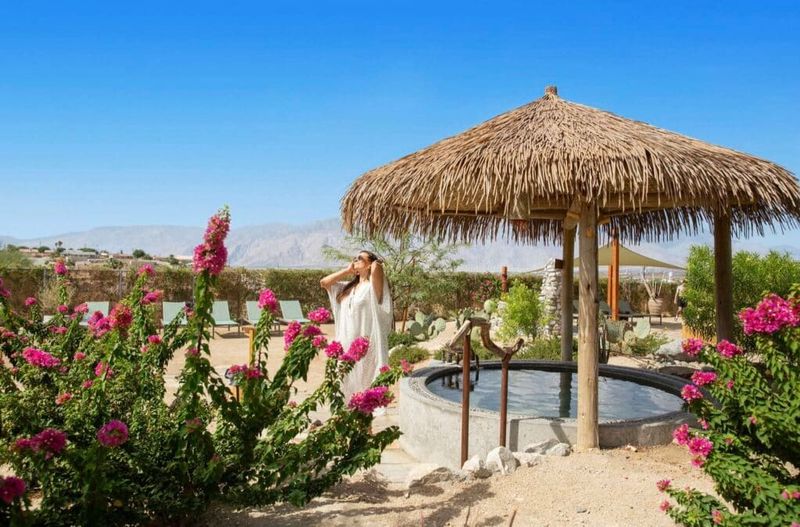
Paradero, a boutique hotel near Todos Santos, sits in the agricultural community of La Mesa. The property uses concrete in tones that match the surrounding desert. Rooms, restaurant, and pathways blend into the landscape, connected by gardens filled with native cacti and other plants. The design feels intentional but restrained, as if the buildings emerged from the earth rather than being imposed on it.
Frederic Capello, general manager of Paradero, describes luxury not as marble or gold but as the feeling of being renewed. The hotel removes visual noise and places guests inside the desert environment. The architecture functions as a wellness tool, lowering stimulation and encouraging people to engage with their surroundings.
Other properties have adopted similar strategies. Four Seasons Costa Palmas incorporates sand dunes and native vegetation between its pathways, maintaining a minimalist infrastructure that keeps the focus on the environment. Monte Cardón, a restaurant in the region, follows the same logic, limiting human development so guests feel connected to the distinct landscape and cuisine of Baja.
This trend helps explain why luxury resorts are expanding into the least-developed areas of Los Cabos. Aman plans to open its first Latin American property in Cabo del Este, a remote area with little urban settlement or large-scale tourism infrastructure. Luxury here increasingly means distance from everyday routines, minimal unnecessary stimuli, and proximity to natural features that invite exploration.
The Landscape Does the Work
Cabo del Este has no large towns and limited infrastructure. It has the sea, the desert, and the mountains. Slowly, it is becoming the center of ultra-luxury hospitality in Baja California Sur.
A sunset meditation at Four Seasons Costa Palmas illustrated why. The session took place on the beach, led with emotional intelligence but shaped most powerfully by the setting. Small clouds scattered across the sky reflected the intense colors of golden hour. The sun dropped behind distant mountains. A full moon hung in a still-light blue sky while pelicans fished offshore.
The guide, Flor Daneu of SUDA, asked participants to open their eyes and look at where they were. That instruction shifted the experience. The meditation worked because the place supported it. The hotel provided structure, but Los Cabos did the deeper work.
José Manuel Orellano, director of Oasis Spa at Four Seasons Costa Palmas, made a similar point after leading a sound-healing session on floating mats in the pool. He noted that sessions could happen in closed, luxurious rooms, but the real luxury lies in going outside and letting the place become part of the practice.
Data from the Los Cabos Tourism Board shows that visitors who interact with nature during their trips report higher satisfaction levels. In a destination with such varied wellness offerings, the experiences most directly tied to the territory explain the local appeal most clearly. A sunset meditation means something different when the dominant sound is the sea rather than a curated playlist. In those moments, wellness stops feeling like an imported practice and becomes a response to the place itself.
The Entry Point
Wellness travel in Los Cabos now exists across a spectrum. It includes ultra-luxury spa treatments, personalized health programs, community meditation circles, and unstructured time in nature. The sophistication of the offerings has grown, but the destination's real advantage lies in its landscape. The contrast between desert and ocean, the scale of the mountains, the silence, and the wildlife all shape how people experience rest and renewal.
The snorkeling tour at Cabo Pulmo did not fit neatly into conventional wellness categories. There were no spa robes, no calming music, no branded products. But the experience of swimming above a massive school of fish, surrounded by deep blue water and amplified breath, created the kind of reset many travelers seek. The place itself provided the structure, and the moment felt complete without additional design.
That may be the clearest sign of how wellness tourism in Los Cabos is evolving. The best experiences do not try to recreate familiar spa environments in a new location. They use the territory as the foundation, letting the desert, ocean, and mountains define what renewal can look like.