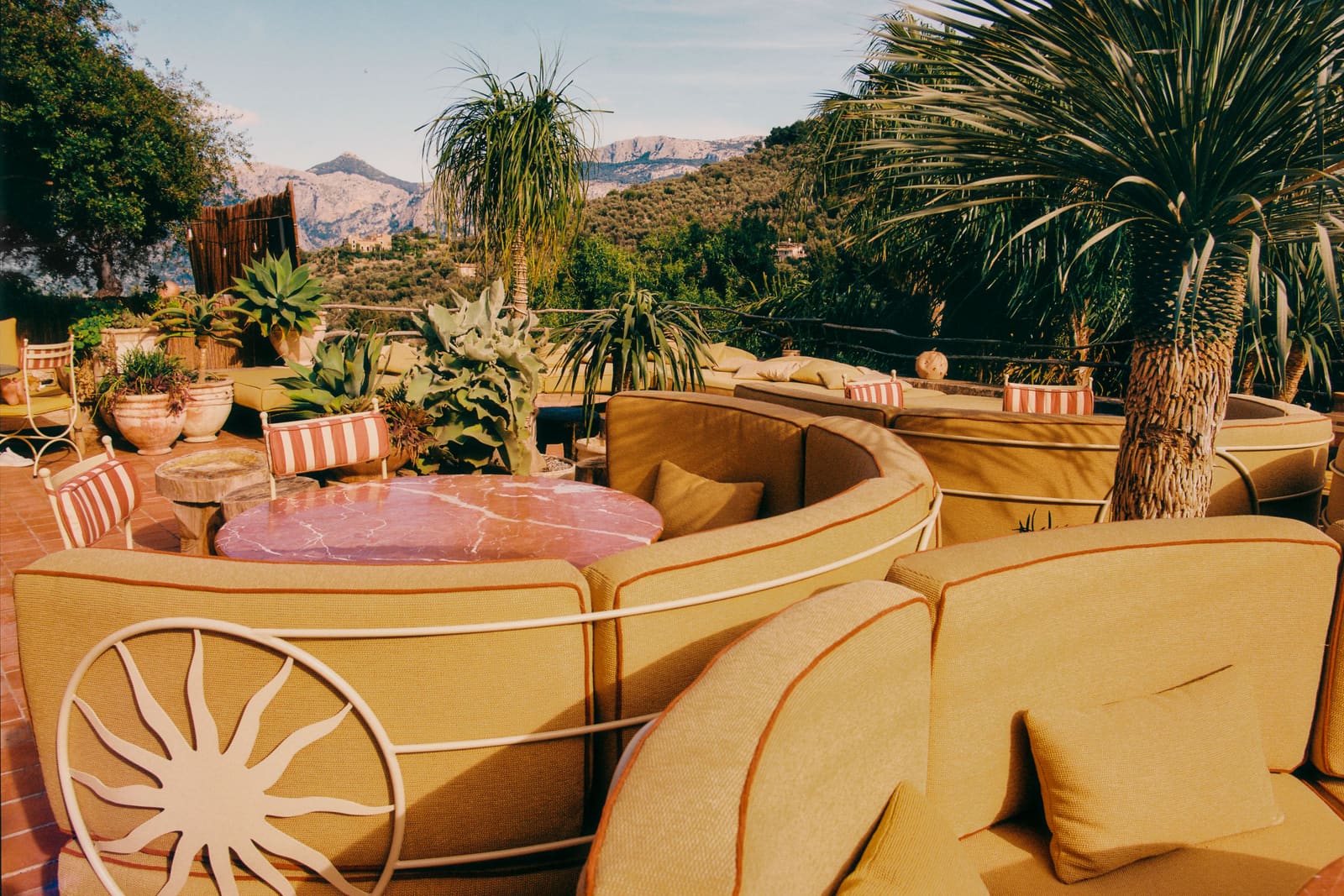
A Creative Shift in the Balearics
Mallorca has spent decades shaking off a reputation built on package tours and crowded beaches. The shift has been gradual but visible: artists have returned to Palma's old quarters, traditional craft studios have reopened, and a new cohort of hoteliers has begun restoring centuries-old estates with an eye toward design and local culture rather than volume.
The island once drew creative figures in the late twentieth century, and that energy is surfacing again in pockets across the island. Potters, glassmakers, and painters are setting up workshops in small towns, while boutique properties are weaving that creative identity into their operations through artist collaborations, studio visits, and design choices that favor local makers over catalog furniture.
Where the Creative Scene Meets Hospitality
Kate Bellm, a British photographer, opened Hotel Corazón in Deià in 2023 inside a sixteenth-century finca. The 15-room property leans into spontaneity: sound baths, guided hikes, and informal music sessions appear on the calendar without rigid schedules. Each room carries its own design language, from all-pink interiors to showers concealed inside egg-shaped domes. A farm-to-fork restaurant and an ocean-view pool round out the stay, but the real draw is the atmosphere Bellm has cultivated in a town already known for attracting artists.
In Pollença, Can Aulí takes a more gallery-like approach. The adults-only retreat, housed in a restored seventeenth-century mansion, displays work by Mallorca-based artists Estefania Pomar and Jaume Roig throughout its 21 rooms. The property retains its original archways and double-height ceilings but pairs them with contemporary furnishings. Downstairs, an open kitchen serves tapas that range from Cantabrian anchovies to monkfish foie, a menu that reflects the island's evolving food culture.
Countryside Retreats with Creative Programs
Son Xotano, a 22-room property near Sencelles, sits within a thirteenth-century finca surrounded by olive groves. The interiors mix historic architecture with bold color: floor-to-ceiling artworks in some bedrooms, a hand-painted mural of dancing storks beside the saltwater pool. Guests can join creative workshops or visit nearby artist studios, and the property's vineyard supplies the onsite restaurant, where even the tiramisu gets a local twist with Palo, a bittersweet herbal liqueur.
Further inland, Can Beneït opened in 2021 in the Binibona Valley as an agriturismo spanning 80 hectares of farmland. The property offers guided estate tours that take in olive groves, old farm buildings, and a 200-year-old courtyard church. Its 10 rooms are simply furnished with white walls, dark wood, and terracotta floors. The farm-to-table restaurant, Mirabona, has drawn attention for its seasonally changing menu built around produce grown on-site.
Finca Serena, located in the foothills of the Serra de Tramuntana mountains near Montuïri, spreads 25 minimalist rooms and suites across a former farmstead and standalone buildings set among 40 hectares of olive, carob, and almond trees. The Único Spa occupies an old cowshed, and the Jacaranda restaurant sources from the kitchen garden for its seasonal menu. Weekly events include Tuesday paella nights and Thursday open-flame grills featuring octopus, scallops, and Iberian pork.
Urban Stays in Palma's Historic Core
In Palma, Sant Francesc Hotel Singular occupies a restored nineteenth-century mansion with 42 rooms. Interior designer Maria José Cabré preserved neoclassical frescoes and marble stonework while introducing contemporary elements, including locally produced ceramics, glassware, and tiles. Chef Alvar Albaladejo runs the restaurant, serving a vegetable-forward menu with local cheeses and market seafood. A rooftop pool and bar offer views over the city's terracotta rooftops and cathedral.
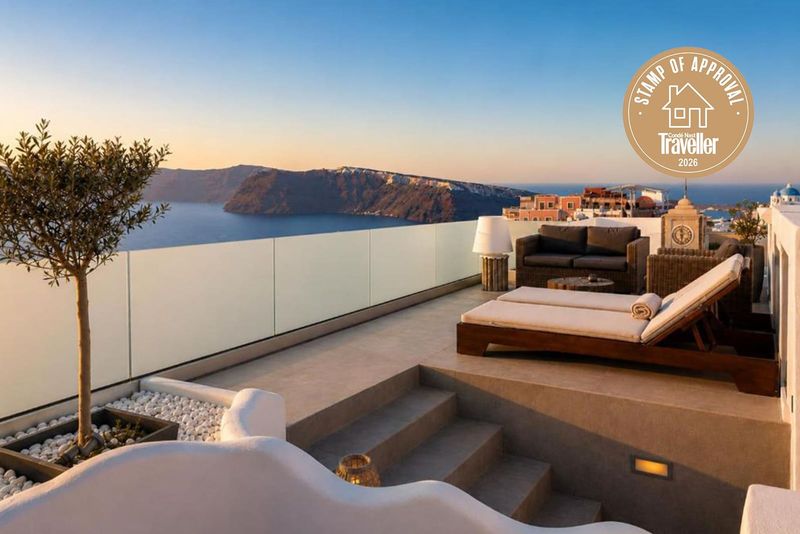
Sant Jaume Design Hotel, an eighteenth-century townhouse on a quiet Palma side street, has 36 rooms with deep marine blues and installations by Spanish artists. Floor-to-ceiling windows bring in natural light, and the rooftop terrace features a plunge pool with views of church spires and the cathedral. The ground-floor El Colmado serves seasonal Mediterranean tapas, while a private spa sits in a stone cellar below.
Can Bordoy Grand House & Garden, a former nunnery in Palma's La Lonja quarter, was redesigned by local studio OHLAB with art deco influences. The 24 rooms and suites feature cerulean headboards, jewel-toned velvet curtains, and some with oval freestanding bathtubs. Guests enter through a verdant courtyard, and the property has three pools: one in a walled garden shaded by mature trees, one suspended above a skylight on the rooftop terrace, and a third in the subterranean spa. The restaurant's cocktail menu leans on herbal infusions.
Beyond the Typical Beach Stay
Bikini Island & Mountain Hotel in Port de Sóller occupies a renovated 1970s Bauhaus-inspired building. The property leans into a bohemian, hedonistic vibe with its poolside Pikkini Bar, hammocks, wall hangings, and trailing plants. Two bars serve cocktails, and the restaurant focuses on bright, sun-filled dishes. The hotel curates its own Spotify playlist for guests. A second location recently opened on Es Trenc beach in the south.
Ecocirer in Sóller is Mallorca's first vegetarian guesthouse, run by a family that puts food at the center of the experience. The cooking school offers classes on fresh pasta, plant-based cooking, Mallorcan pastries, and kombucha brewing, and hosts an immersive cooking camp during summer. On Saturdays, guests can visit the family's mountaintop farmhouse for seasonal activities like orange picking, olive harvests, and picnics, along with a visit to local artist Francesca Martí's studio. Breakfasts feature homemade xeixa bread, fresh fruit, coconut yogurt, and muesli, while lunches draw from the kitchen garden. Rooms are stocked with vegan toiletries.
Hotel Can Mostatxins in Alcúdia, a fifteenth-century building that once housed an olive oil press, offers eight bedrooms that incorporate medieval stonework restored by local artisans. Guests can explore the town's medieval walls, Roman ruins, and the fourteenth-century church of Sant Jaume. The spa's plunge pool, cut deep into the bedrock with an open roof, occupies a former Roman cellar. There's no onsite restaurant, but the town has plenty of nearby dining options.
A Different Side of the Island
The boutique hotel scene on Mallorca reflects a broader shift in how the island positions itself. These properties aren't chasing the mass-market beach crowd. They're drawing travelers interested in design, local craft, and quieter experiences that extend beyond the coastline. Whether that creative revival has staying power remains to be seen, but for now, the island's independent hoteliers are making a case for a Mallorca that looks different from the one in the brochures.