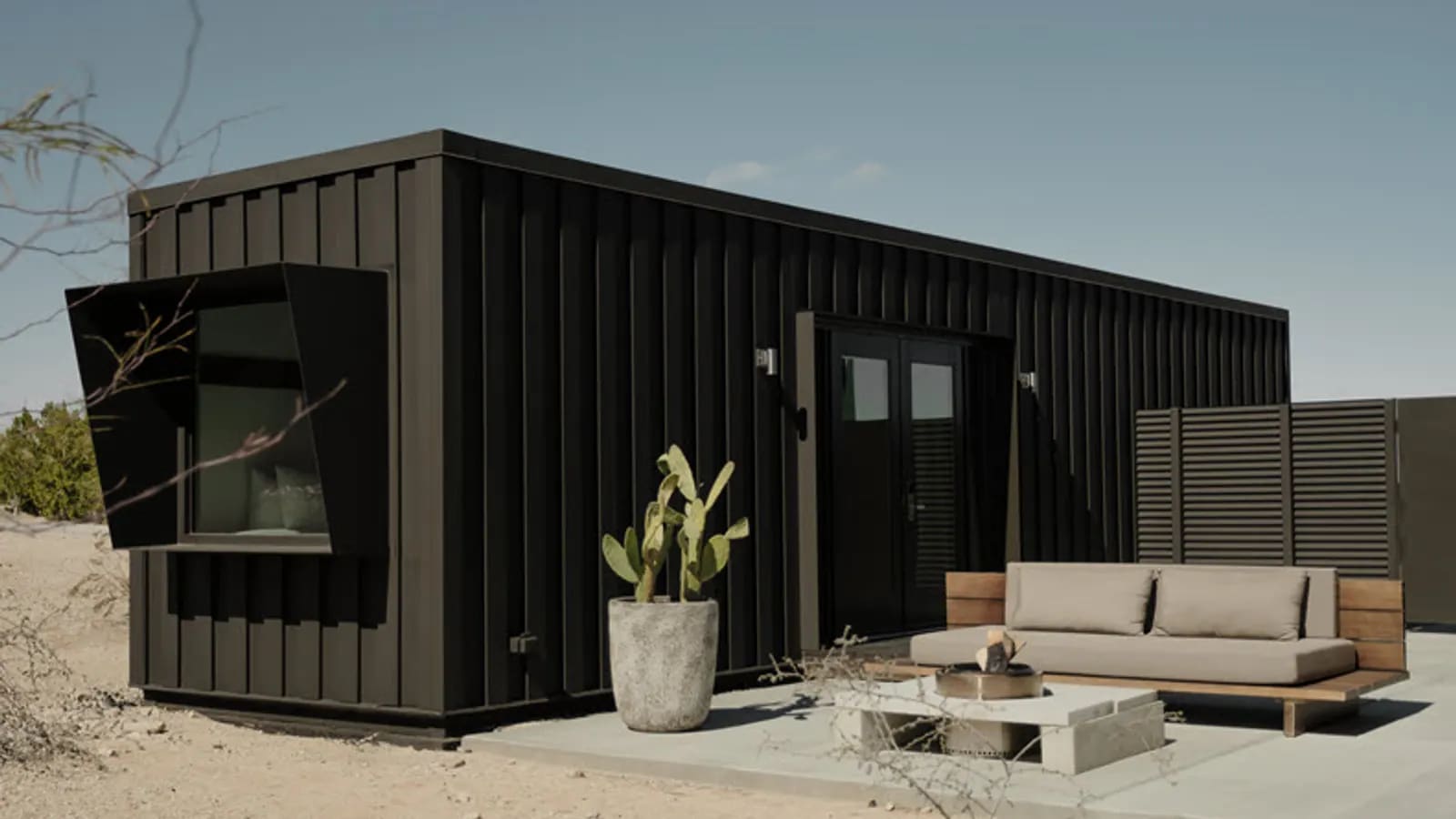
A Wellness Retreat in the High Desert
Marriott International has expanded its Outdoor Collection by Marriott Bonvoy with the addition of Reset Hotel in Twentynine Palms, California. The 65-room property sits on 180 acres of desert terrain near the north entrance of Joshua Tree National Park, offering guests a blend of wellness amenities and curated outdoor programming designed to immerse visitors in the surrounding landscape.
Reset Hotel is the first brand to join the Outdoor Collection since Marriott launched the portfolio in 2025. The addition signals the company's continued investment in outdoor hospitality, a segment that has seen growing interest from travelers seeking nature-focused experiences without sacrificing modern comfort.
The property positions itself around wellness and connection to place. Guest rooms incorporate natural textures and desert views, with each featuring a private patio equipped with a fire pit, daybed, and what Marriott describes as a "stargazing platform." The design emphasizes the transition between indoor and outdoor space, a common thread in the Outdoor Collection's approach.
Programming Built Around the Night Sky
One of Reset's distinguishing features is its emphasis on astronomy. The hotel offers immersive stargazing programming that includes access to Celestron telescopes and events led by former NASA astronomers. Creative residencies and astronomy-focused gatherings are also part of the property's roster of curated experiences.
Shared amenities lean toward relaxation and outdoor ritual. Guests can use outdoor soaking tubs, communal fire pits, a saltwater pool, a jacuzzi, a sauna, and a cold plunge. The setup reflects a broader trend in outdoor lodging: properties that offer tactile, sensory experiences tied to the environment rather than simply proximity to it.
Diana Plazas-Trowbridge, Marriott's chief lodging product and services officer for the U.S. and Canada, noted that the Outdoor Collection was created to deliver immersive stays in nature while maintaining the ease and comfort travelers expect. According to Marriott, Reset exemplifies that balance, combining access to Joshua Tree with thoughtful design and programming that encourages deeper engagement with the destination.
Expanding the Outdoor Collection
Reset joins two other brands under the Outdoor Collection umbrella: Trailborn and Postcard Cabins. Marriott acquired Postcard Cabins and entered a strategic partnership with Trailborn in December 2024, adding roughly 1,200 cabins and a portfolio of properties across popular U.S. leisure destinations. At the time, the company previewed the Outdoor Collection as a new initiative, though it formally launched the brand in 2025.
The move positions Marriott alongside other major hospitality players investing in outdoor and nature-based lodging. Hilton has been growing its partnership with luxury glamping brand AutoCamp, while BWH Hotels recently introduced a new collection of upscale outdoor-inspired accommodations. The competitive landscape reflects a shift in traveler preferences, particularly among guests seeking alternatives to traditional resort or city-center hotels.
Outdoor Hospitality's Appeal
The appeal of outdoor lodging extends beyond aesthetics. For many travelers, these properties offer a departure from the conventions of standard hotel stays, emphasizing place, ritual, and a slower pace. Reset's focus on wellness and astronomy programming speaks to a segment of guests looking for experiential stays that go beyond sightseeing.
Joshua Tree National Park itself has long been a draw for visitors seeking desert landscapes, rock formations, and some of the darkest skies in Southern California. Twentynine Palms, the gateway town to the park's north entrance, has seen an increase in lodging options catering to this audience. Reset's 180-acre footprint and wellness-oriented amenities position it as a higher-end option within that market.
The property's emphasis on outdoor soaking, fire pits, and stargazing aligns with a broader hospitality trend: creating spaces where the experience is as much about the setting and programming as it is about the room itself. Whether that model proves sustainable at scale remains to be seen, but for now, it represents a clear bet by Marriott that nature-focused accommodations can command loyalty within its Bonvoy ecosystem.
What It Signals for Marriott
Adding Reset to the Outdoor Collection suggests Marriott is willing to diversify its portfolio beyond traditional hotel formats. The company's entry into outdoor hospitality through acquisition and partnership reflects a recognition that not all travelers want the same type of stay, and that loyalty programs can extend into niche categories if the experience feels cohesive.
For Marriott Bonvoy members, the inclusion of properties like Reset means earning and redeeming points in settings that might otherwise fall outside the major hotel brands. That integration could be a draw for guests who value flexibility within a loyalty ecosystem while still seeking distinct, place-based experiences.
Whether Reset expands beyond its California location or remains a standalone brand within the collection is unclear. For now, it serves as a marker of Marriott's intent to occupy a space in outdoor hospitality that balances design, wellness, and access to natural environments. The next test will be whether that formula resonates with travelers enough to justify further investment in similar properties.