The New Fee Structure
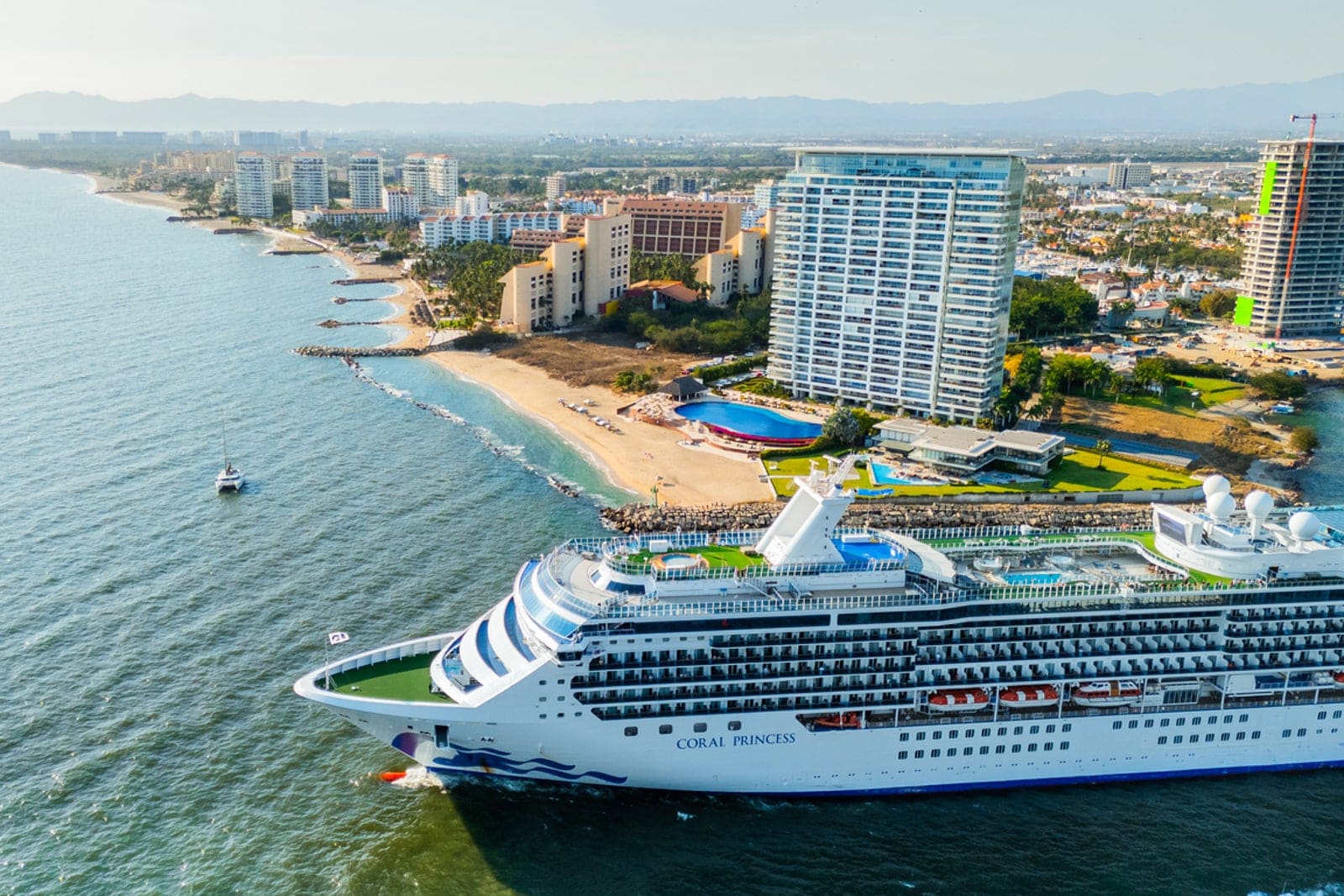
Cruise passengers arriving at Mexican ports now face a $10 charge per person, double the previous $5 rate that applied until the end of July. The fee will climb to $15 in July 2027 and reach $20 by August 2028.
The charge applies once per cruise itinerary, regardless of how many Mexican ports a ship visits during the same voyage. A passenger sailing from Miami to Cozumel, then onward to Belize and Costa Maya before returning to Miami, pays the fee one time. The provision covers multi-destination itineraries that leave and re-enter Mexican waters as part of a single cruise.
Cruise lines and shipping agents collect the charge, officially called a "Non-Resident Duty" or "Tax Incentive," on behalf of the Mexican government.
What Changed From the Original Proposal
The final fee schedule represents a significant compromise. In 2024, the Florida-Caribbean Cruise Association, which speaks for 23 major operators including Carnival, P&O and Royal Caribbean, warned the Mexican government that an initial proposal of $42 per passenger would make the country 213 percent more expensive than the average Caribbean port.
The association argued that such a levy would push Mexico out of competitive reach for itinerary planning. Following months of negotiation, the government settled on the graduated scale now in place.
In a statement after the revised fees were confirmed, the FCCA thanked the Mexican government for working toward an agreement. The association represents more than 95 percent of cruise capacity operating in the Caribbean and Latin America.
The Stakes for Mexico
Cruise arrivals matter to the Mexican economy. According to Josefina Rodríguez Zamora, Secretary of Tourism, 11.2 million cruise passengers arrived at Mexican ports in 2025, a 12 percent increase from the year before.
Rodríguez Zamora framed cruise tourism as a mechanism for regional development, noting that it diversifies tourism activity and channels economic growth to communities that rely on visitor spending. When tourism performs well, she said, those communities benefit directly.
The question now is whether the fee increases will dampen that growth. A $20 charge in 2028 remains well below the $42 figure that prompted industry pushback, but it still represents a fourfold increase from the original $5 rate in less than three years.
What It Means for Travelers
For passengers, the fee adds a modest line item to cruise costs. A couple on a week-long Caribbean cruise that includes Mexican ports will pay $20 under the current rate, rising to $40 by 2028. Families will see the charge multiply accordingly.
The fee does not apply to passengers who visit Mexico as part of a land-based trip or fly into the country independently. It targets cruise arrivals specifically, a revenue stream the government sees as under-tapped relative to the volume of visitors and the infrastructure they use.
Whether cruise lines absorb part of the increase, pass it through in full, or adjust itineraries to favor ports with lower fees will vary by operator. Some lines may reduce the number of Mexican ports on a given route, while others may calculate that the destinations remain worth the added cost.
The stepped implementation gives both the industry and travelers time to adjust. By 2028, the $20 fee will be a known cost, factored into pricing and itinerary decisions across the board.