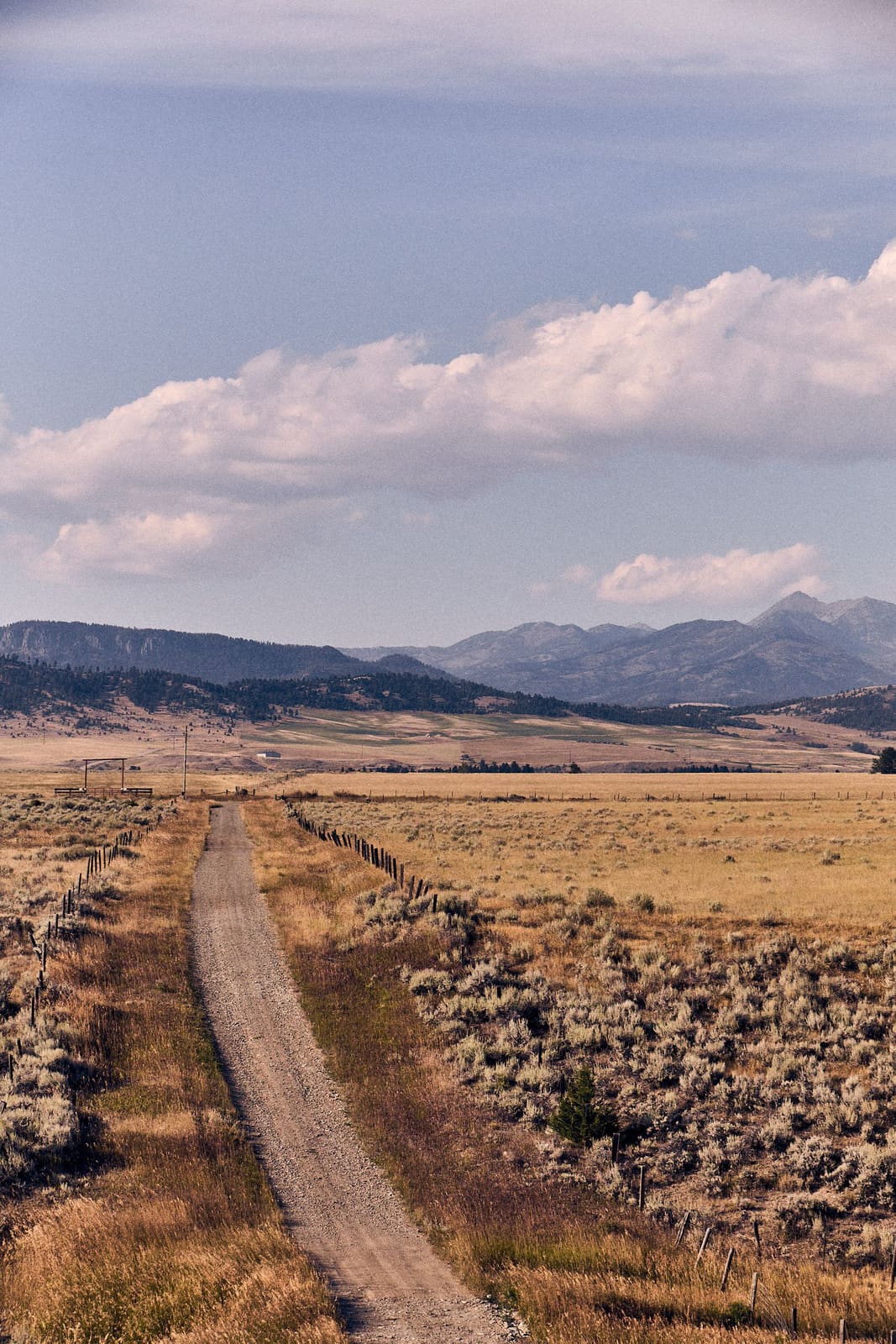
From Seasonal to All-Season
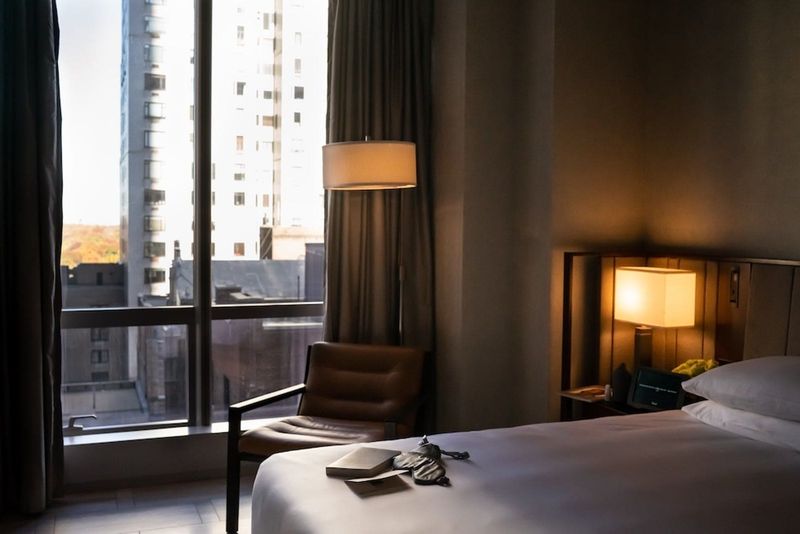
Big Sky didn't exist before the lifts went up. The unincorporated community of roughly 3,000 permanent residents materialized after Big Sky Resort launched in 1973, and for decades its identity hinged on snow. Two recent luxury properties, Montage Big Sky and One&Only Moonlight Basin, have cemented the area's reputation as North America's fourth-largest ski terrain, with nearly 6,000 acres of runs. Yet ask locals what keeps them here, and winter rarely comes up first.
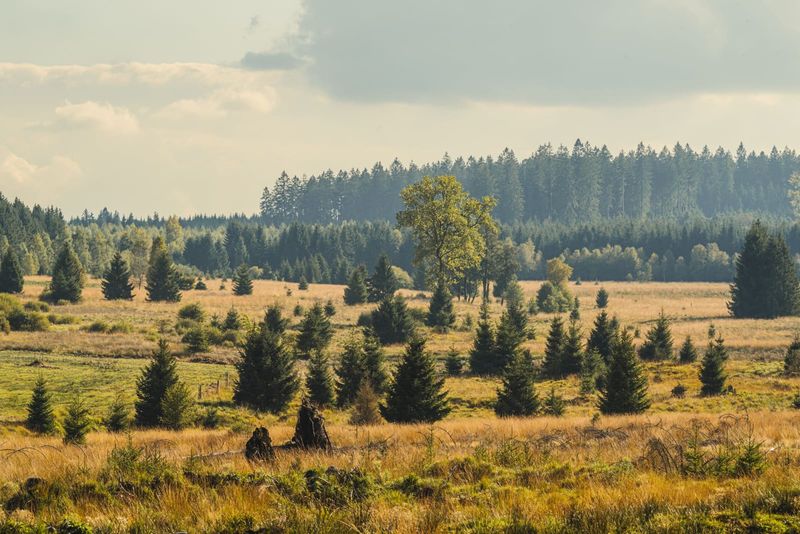
Menka Vansant left a PhD in environmental science and a career adjudicating mining disputes in South Africa to wrangle horses at Lone Mountain Ranch, a 1915 homestead tucked into the Madison Range above Yellowstone. On a July morning, she guides riders through meadows speckled with wildflowers, pointing out fossils embedded in the trail from when the region sat underwater 70 million years ago. She describes the work as the best adult summer camp ever and has no plans to leave. Serge Ditesheim, the Swiss general manager at One&Only Moonlight Basin, puts it plainly: "We came for the winter and stayed for the summer."
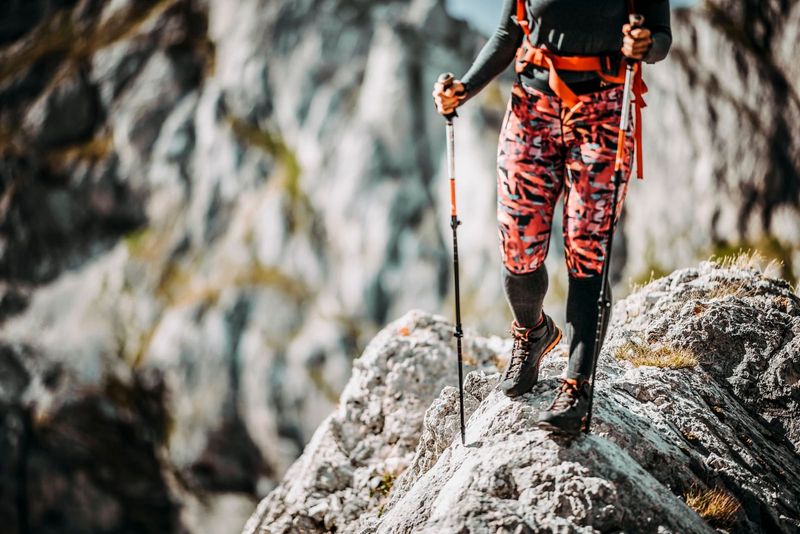
That sentiment reflects a broader shift. Big Sky's warm-weather calendar now includes mountain biking in the Lee Metcalf Wilderness, fly-fishing on the Gallatin River, and balloon rides over construction sites that signal rapid expansion. The town is recalibrating its identity, and not everyone is comfortable with the pace.
Growth and Its Trade-Offs
The pandemic accelerated second-home purchases across Montana, and Big Sky felt the surge. The Yellowstone Club, an ultra-exclusive development with its own private ski area and 18-hole golf course, opened in 1997 and drew a roster of tech moguls and celebrities. That influx brought capital, which helped fund a community center, post office, and school. Randy Hall, a naturalist guide who has lived at Lone Mountain Ranch for over two decades, remembers when the local pizza parlor was the only off-season dining option. He credits the Yellowstone Club crowd with financing infrastructure that benefits everyone.
Brad Niva, CEO of the Big Sky Chamber of Commerce, sees an opportunity other resort towns missed. "Unlike more mature communities, Big Sky has the opportunity to pivot," he says. His focus is livability: better transportation, expanded social services, and sustainable growth. The challenge is balancing business owners who want more visitors with residents who prefer the status quo.
From a hot-air balloon, the tension is visible. David Adler, a pilot who flies here in summer when Arizona becomes unbearable, points to a patch of earth the size of several football fields where bulldozers churn. Three weeks earlier, grass and shrubs covered the site. Below, the town looks small, a ribbon of condos and parking lots squeezed between forested foothills. To the west, Montage Big Sky rises like a brown wedge against Lone Mountain, the largest building in Montana.
A Food Scene Built on Transplants
The arrival of wealthy residents has created demand for better food, and a wave of newcomers has stepped up. Eduardo Garcia, a Paradise Valley native who cooked on private yachts before returning to Montana in 2011, lost his left hand in a hunting accident but built a career around open-fire cooking, a Magnolia Network show, and Montana Mex, a condiment company with national distribution. He talks about the region's culinary potential with evangelical fervor: "You get whispers of things. Fishmongers and truffle hunters. I think we're in the early heyday for food here."
Garcia drives visitors to Bodhi Farms, a 35-acre organic farm and glamping retreat between Bozeman and Big Sky. Rayner and Tanya Smith, former Texans inspired by a year in Costa Rica, opened the property during the first pandemic summer. Tanya walks through greenhouses, vegetable gardens, and food forests that produce berries and herbs. Weekly Farm Parties sell produce to locals, and the Field Kitchen restaurant hosts dinners for up to 200. Montana State University interns suggested the market, and it has become a fixture.
At Amaltheia Organic Dairy on Bozeman's outskirts, Sue Brown, a former special education teacher, explains how she transitioned to farming. Her kids raised goats in 4-H, and her husband, an embryologist, decided to switch from cows after an injury. In a greenhouse, thousands of garlic bulbs dry on the ground, stems still attached. Garcia picks one and bites into it, grinning.
North Bridger Bison, a 2,500-acre ranch north of Bozeman, belongs to Matt and Sarah Skoglund, a Chicago couple who left legal careers eight years ago. Matt, tall and bearded, describes ranching as a flow state, a gift of focus in airplane mode. The operation runs on adaptive rotational grazing, and Matt slaughters animals on-site to reduce stress and improve meat quality. He notes that grass grows thicker where he has butchered a bison, enriching the pasture for the herd. "When you're eating bison, you're eating this land," he says.
That evening, a bison rib eye at Cortina, Montage Big Sky's chophouse, tastes lean and mineral-rich, a direct line to the ranch's pasture.
Yellowstone Without the Crush
Big Sky sits an hour north of Yellowstone's West Entrance, and most visitors make the trip. The park's 3,500 square miles hold mountains, canyons, lakes, waterfalls, and more than half the world's known geothermal features. Summer brings nearly a million visitors a month from June through August, leading to traffic jams and crowded viewing platforms at Grand Prismatic Spring and Old Faithful.
One way to sidestep the crowds is to fly above the park. Jeff Cook and Jordan Nieters, both Montana natives, pilot a Yellowstone Club helicopter over terrain that reveals patterns invisible from the ground. The scars from the 1988 fires still mark the landscape. Earthquake Lake, formed by a 1959 tremor that sent 80 million tons of rock into the Madison River, sits just outside the park boundary. Grand Prismatic Spring from the air is a turquoise pucker ringed by yellow and orange, surrounded by dense lodgepole pines. Much of the terrain below is accessible only on foot or horseback.
The Long View
Big Sky's transformation from ski town to year-round destination is incomplete, and the outcome is uncertain. The construction visible from Adler's balloon suggests the pace won't slow soon. But the people who have moved here, whether for horses or bison or simply to escape burnout, share a conviction that the landscape offers something rare. Menka Vansant, the horse wrangler, describes riding through terrain that Indigenous tribes, including the Crow, Sioux, and Blackfeet, used for centuries as a resting place en route to Yellowstone's caldera. The area was sacred then, and it still carries that weight.
In a world where stillness requires effort, Big Sky offers geological time. The fossils in the trail, the mountains that once sat underwater, the slow rotation of bison across pasture all insist on a different rhythm. Whether the town can preserve that quality while absorbing rapid growth remains the central question.