From Soldiers to Families
Pattaya earned its reputation in the late 1960s and early 1970s when American soldiers on leave from the Vietnam War discovered the beaches two hours south of Bangkok. The city developed around that military tourism, and parts of the waterfront still reflect that era. But the dining scene tells a different story now.
International hotel groups and Thai resort brands have moved in over the past decade, and their restaurants cater to Bangkok families on weekend breaks, regional travelers, and visitors who pair a few beach days with time in the capital. The food options have followed that shift.
Seafood and Scale
Pupen Restaurant sits on the beach in central Pattaya, with a menu large enough to match its seating capacity. The kitchen turns out crab omelettes alongside offerings from the adjoining Crabb craft brewery. Seafood dominates most menus along the coast, which makes sense given the Gulf of Thailand location.
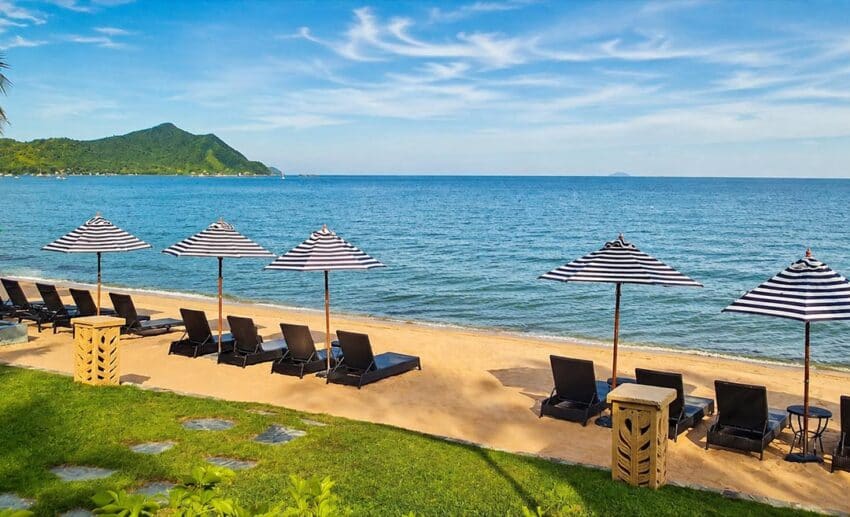
The Sea Sand Club in Bang Saray, a quieter fishing town south of the main resort strip, can arrange private dinners on the sand for guests marking anniversaries or special occasions. The setup is straightforward: tables, candles, and a meal designed around whatever the kitchen does best that day.
Bang Saray draws fewer visitors than the urbanized center of Pattaya, where high-rises crowd the waterfront. The southern stretch has more resort gardens, uncrowded beaches, and properties that emphasize landscaping over density.
Rooftops and Fusion
The Avani Pattaya Resort offers Thai seafood noodles in one venue, theatrical teppanyaki at Benihana in another, and pub fare with live music at Dicey Reilly's Irish pub. The range reflects the mix of travelers passing through: couples, families, groups looking for different moods and cuisines within the same property.
Just north, the Meliá Pattaya Hotel places its Yitong Chinese Restaurant and Sky Bar on the 12th-floor rooftop. The kitchen serves Cantonese and Sichuan dishes, including weekend dim sum and Peking duck. The adjoining bar draws crowds for sunset views over the water.
The hotel also runs Den Restaurant, which focuses on Japanese-Peruvian Nikkei cuisine. It is an unexpected offering in a Thai beach town, but the 234-room property is positioned to serve international guests who want options beyond local cooking.
Meliá guests can walk from the lobby to the Lay Beach Club, which operates from late morning until midnight. The club offers poolside daybeds, music, and a party atmosphere that nods to Pattaya's older identity while packaging it for a different crowd.
Logistics and Layering
Pattaya stretches more than 40 kilometers from north to south, taking in Pattaya North, Pattaya City, Pattaya South, Jomtien, and Bang Saray at the far end. The dining scene varies by location. Central Pattaya offers the highest concentration of restaurants, bars, and shopping. The extremities are quieter, with fewer high-rises and more space between properties.
Choosing where to stay shapes what you eat and how you move between meals. Resorts in Bang Saray provide a base for travelers who want calm during the day and the option to head north into busier areas when they want more energy. Ride-hailing apps and shared pick-up taxis make it easy to move between zones.
Multilingual menus are common in restaurants that serve international visitors. The city draws travelers from across Asia and beyond, and the food reflects that. Thai cuisine remains the default choice for most people, but the range has expanded to include Chinese, Japanese, Irish, Peruvian, and fusion concepts that would have been out of place two decades ago.
Beyond the Plate
Pattaya's dining evolution mirrors a broader transformation. The city still has its nightlife districts, but family attractions, botanical gardens, and cultural landmarks now fill out the itinerary. Columbia Pictures Aquaverse offers a wave pool and themed rides. Nong Nooch Tropical Garden spans 269 hectares of themed gardens and cultural displays. The Sanctuary of Truth, an all-wooden temple structure in northern Pattaya, draws visitors for its craftsmanship and scale.
These attractions bring a different type of traveler, and the restaurants have adjusted. Rooftop bars serve dim sum. Beachfront clubs operate during daylight hours. Resorts organize private dinners on the sand. The food is part of the package, not an afterthought.
What It Means for Travelers
Pattaya is no longer a single-note destination. The dining scene reflects that. You can eat crab omelettes at a beachfront restaurant, Peking duck on a rooftop, or teppanyaki in a hotel that also runs an Irish pub. The range is wide, and the infrastructure supports it.
The city remains easy to reach from Bangkok, with direct buses from both airports and a two-hour drive from Suvarnabhumi. The dining options now justify a longer stay, especially for travelers who want variety without moving between destinations. Pattaya has added layers, and the food is one of the clearest signs of that change.