A Bigger Bet on Widebodies
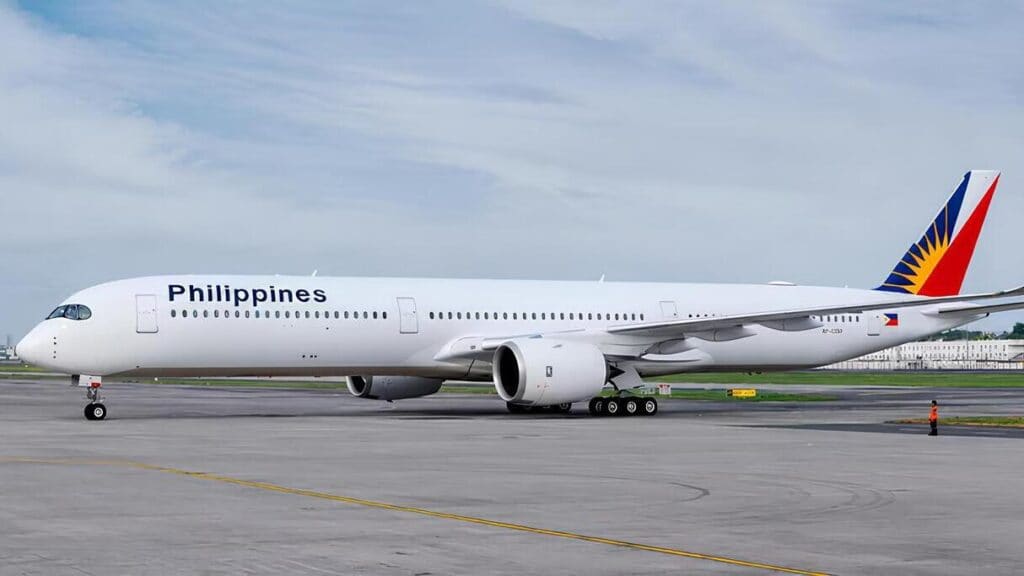
Philippine Airlines signed a memorandum of understanding for nine additional Airbus A350-1000 aircraft at the Farnborough Air Show in July 2026, according to Airbus. The deal brings the carrier's total order to 18 of the widebody jets, doubling its initial commitment. The first two arrived earlier this year and are already flying international routes from Manila.
The expansion underscores PAL's focus on direct long-haul connections, particularly across the Pacific. The airline is targeting cities on the U.S. East Coast and in Canada, markets that demand both range and efficiency. The A350-1000 can fly up to 9,700 nautical miles without refueling, making it well-suited for non-stop service from Manila to destinations that previously required connections or less efficient aircraft.
For a Southeast Asian carrier competing with Gulf hubs and North Asian giants, the move is a calculated play. Direct flights offer a competitive edge, especially for time-sensitive business travelers and diaspora traffic between the Philippines and North America. But the strategy hinges on filling premium cabins at yields high enough to justify the capital outlay.
What Passengers Will Find Onboard
PAL has configured its A350-1000s with 382 seats across three classes. Business class accounts for 42 of those, each a private suite with a door and fully flat bed. Premium economy takes another 24, while the remaining 316 are in economy. The layout suggests a clear focus on higher-margin travelers, with nearly 17 percent of seats in the two premium cabins.
The airline is the only carrier in Southeast Asia currently operating the A350-1000, a distinction that matters more for marketing than for passengers. What does matter is the cabin environment: quieter engines, higher humidity, and larger windows than older widebodies. These features make a measurable difference on flights that can stretch past 15 hours.
Every seat includes modern entertainment systems and high-speed connectivity, according to PAL. In-flight Wi-Fi has become table stakes for long-haul carriers, but reliability varies widely across the industry. Whether PAL's implementation will meet the expectations of business travelers accustomed to seamless connectivity remains to be seen.
The Economics of Going Long
Lucio C. Tan III, president and chief operating officer of PAL Holdings, described the A350-1000 as defining the future of the airline's international operations. The aircraft offers a 25 percent improvement in fuel burn, operating costs, and carbon emissions compared to previous-generation competitors, according to Airbus. Those savings are crucial on routes where fuel can represent a third or more of direct operating costs.
But efficiency alone doesn't guarantee profitability. Transpacific markets are notoriously competitive, with U.S. carriers, Asian airlines, and low-cost long-haul operators all vying for market share. PAL will need to maintain strong load factors in premium cabins, where margins are highest, while also filling the back of the plane at competitive fares.
The timing of the order is also worth noting. Airlines worldwide have been adding widebody capacity as international travel rebounds, but demand can shift quickly with economic headwinds, geopolitical tensions, or health crises. PAL's bet assumes sustained growth in travel between the Philippines and North America over the next decade.
A Fleet Built Around Airbus
Philippine Airlines already operates a diverse Airbus lineup. A330-300s serve routes to the Middle East, Australia, and Asia, while A320 and A321 family jets handle domestic and regional flights. The A350-1000s slot in at the top of the range, complementing rather than replacing the existing widebody fleet.
The relationship between PAL and Airbus spans more than 40 years, according to Airbus. Fleet commonality brings tangible benefits: shared training for pilots and crew, streamlined maintenance, and better leverage in negotiations with suppliers. For an airline the size of PAL, those efficiencies matter.
Benoît de Saint-Exupéry, executive vice president of sales at Airbus Commercial Aircraft, called PAL a flag-carrier for the Philippines on the global stage. The A350 family has secured 1,595 firm orders from 68 customers worldwide as of June 2026, according to Airbus, making it one of the most popular widebody platforms in production.
What It Means for Travelers
For passengers flying between Manila and North America, the additional A350-1000s should mean more frequency, more direct routes, or both. That translates to fewer connections, shorter total travel times, and more schedule flexibility. It also raises the bar for competitors, who will need to match or beat PAL's product to stay relevant on these routes.
The move also reflects a broader trend in long-haul aviation: airlines are favoring smaller, more efficient twin-engine widebodies over four-engine giants. The A350-1000 and Boeing 777X represent the current generation of these aircraft, offering range and capacity without the fuel penalty of older designs.
But the real test will come when the full fleet is in service. Can PAL sustain the premium pricing its cabin suggests? Will business travelers choose a one-stop option through Manila over non-stop competitors? And can the airline maintain the reliability and service quality that long-haul passengers demand?
The answers will shape not just PAL's future, but the competitive landscape of transpacific travel in the years ahead.