Named After Storytellers
Iceland's second city has a new hotel that takes its cues from the country's deep literary roots. Skáld Akureyri, which joined Hilton's Curio Collection this month, is named after the skáld - the poets and storytellers who shaped Icelandic culture. The concept isn't just decorative. Books line the rooms, local materials anchor the design, and the restaurant's name, Abba-labba-lá, nods to the playful side of Nordic verse.
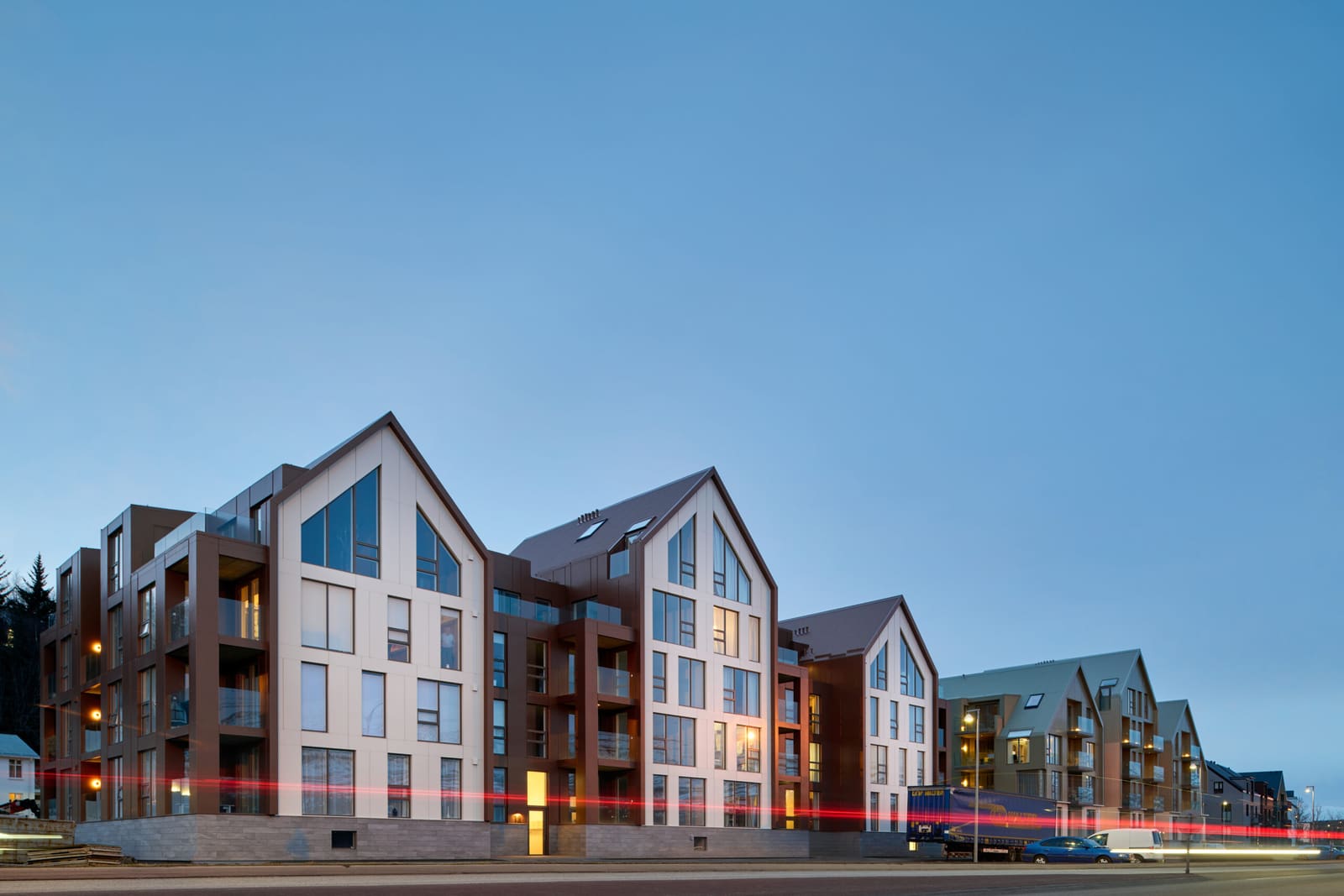
The hotel sits on Hafnarstræti, a historic street in the centre of Akureyri, a town of around 19,000 people that serves as the gateway to Iceland's north. It's roughly 400 kilometres from Reykjavík - a 40-minute domestic flight or a longer drive along the Ring Road, depending on whether you value efficiency or scenery.
Rooms Built Around Reading
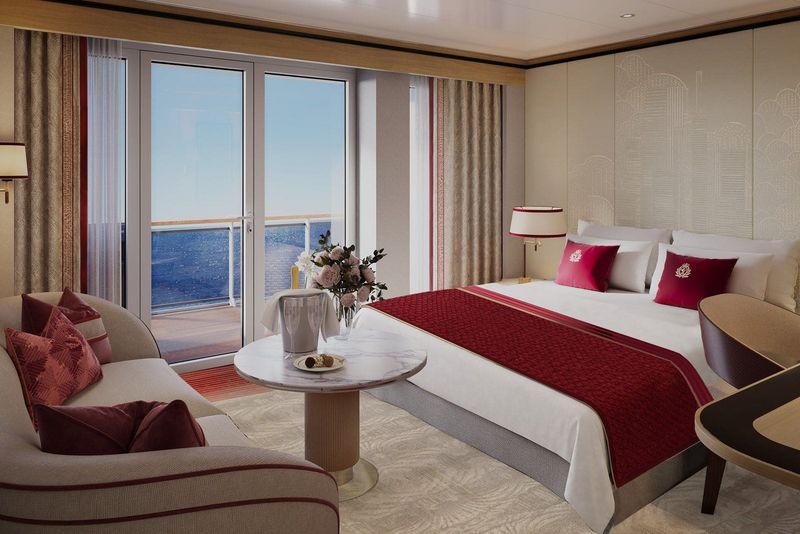
The property offers 71 guest rooms and 15 serviced apartments. Each space mixes contemporary lines with Icelandic materials - think wool, wood, and stone - and a curated selection of books. The apartments come with full kitchens, while hotel guests have access to a fitness centre and two rooftop terraces that look out over the fjord and the mountains beyond.
"Skáld Akureyri has been created as more than a place to stay," said Magnea Þórey Hjálmarsdóttir, the hotel's general manager. The aim, she added, is to root the property in Akureyri itself, drawing on poetry, landscape, and local hospitality rather than generic luxury.
The design reflects that intention. Rather than importing a template, the interiors respond to the town's scale and the northern light. The rooftop terraces, in particular, offer a vantage point over the surrounding landscape - a practical feature in a region where the view changes with the season and the hour.
A Restaurant That Plays With Tradition
Abba-labba-lá, the hotel's Nordic restaurant, takes a less reverent approach to tradition. The menu emphasises local ingredients and seasonal shifts, but it also pairs flavours in unexpected ways. The name itself comes from Icelandic children's rhyme, signalling a willingness to experiment rather than simply preserve.
This balance - respect for heritage without stuffiness - runs through the property. Iceland's literary tradition stretches back to the 13th-century Eddas and forward through the Nordic Noir novels that gained international traction in the 1990s. The hotel doesn't treat that history as a museum piece. Instead, it uses it as a lens for how guests might experience the place: through story, through food, through the act of paying attention.
Why Akureyri Matters Now
Akureyri is not on the mass-tourism circuit in the way that Reykjavík or the Golden Circle are, but it has become a quieter draw for travellers interested in Iceland's north. The town sits near the so-called Diamond Circle, a 250-kilometre route that takes in waterfalls, geothermal springs, and stretches of coastline that feel untouched. In winter, the northern lights are a regular presence. In summer, the midnight sun extends the day.
The opening of Skáld Akureyri reflects a broader shift in how travellers choose destinations. Literary tourism - travel shaped by books, authors, or narrative - has grown steadily in recent years. According to Future Market Insights, the sector is projected to reach $3.3 billion by 2034. That growth is driven in part by readers who want to walk through the settings of their favourite novels, but also by a desire for travel that feels anchored in something beyond the transactional.
David Kelly, senior vice president for Continental Europe at Hilton, described the property as a strong fit for the Curio Collection, which positions itself around distinctive design and local character. "As demand for unique, locally inspired stays continues to rise, we are delighted to expand our presence in Iceland with a property in a location that will allow guests to experience the wonder of this region," Kelly said.
What It Means for Travellers
The hotel's literary theme isn't just branding. It's a framework that shapes how the property engages with its surroundings. The books in the rooms, the restaurant's approach to ingredients, the design that foregrounds local materials - all of it points back to the idea that place and story are intertwined.
For travellers, that means a stay at Skáld Akureyri is likely to feel different from a standard hotel experience. The northern location, the emphasis on local culture, and the deliberate design choices all push guests to engage with Akureyri as more than a stopover. Whether that resonates will depend on what you're looking for. If you want a base that doubles as an introduction to the region's character, this is a solid option. If you're after a generic luxury experience, you'll find better matches elsewhere.
The property also underscores a trend in hospitality: hotels that position themselves as cultural interpreters rather than neutral shells. That approach can feel forced when it's grafted on, but in Akureyri - a town where literature, landscape, and a certain creative pragmatism are already part of the fabric - it has room to work.