A New Leader Emerges
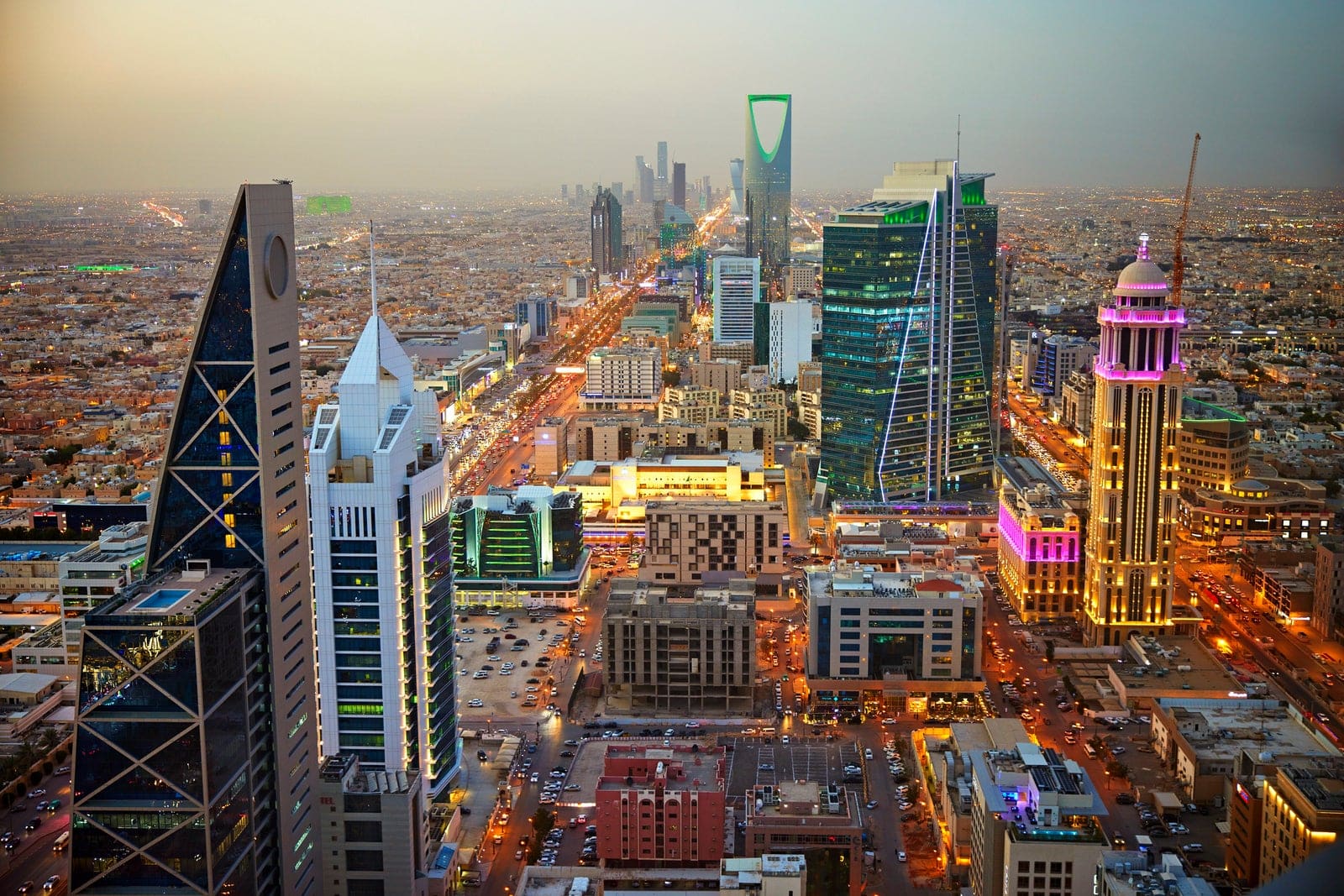
Saudi Arabia recorded the world's fastest tourism growth between 2019 and 2025, with arrivals climbing 67 percent to reach 29 million visitors last year, according to data from the OECD. The surge positions the kingdom ahead of 52 other countries tracked in the organization's latest comparative study, which measured how international travel has evolved since the pandemic.
Morocco and Egypt rounded out the top three, posting increases of 53 percent and 47 percent respectively. The pattern suggests a broader regional shift: travelers are increasingly drawn to Middle Eastern and North African destinations that were once considered niche or difficult to access.
The numbers represent more than a statistical rebound. They signal changes in visa policy, infrastructure investment, and the way governments across the region have repositioned themselves for a global audience seeking new experiences outside traditional circuits.
The Losers in the Recovery
Not every country has bounced back. Israel saw the steepest decline, with arrivals falling 71 percent from 4.5 million in 2019 to 1.3 million in 2025. Ongoing conflict and security concerns have kept many travelers away, illustrating how quickly geopolitical instability can reverse tourism momentum.
Ireland recorded a 32 percent drop in visitors, while Argentina's arrivals fell 23 percent. The reasons vary: economic volatility, currency fluctuations, and shifting travel preferences all play a role. In Ireland's case, high costs and competition from other European destinations may be dampening appeal.
The contrasts are stark. While some countries are setting records, others are struggling to reclaim even half their pre-pandemic visitor numbers.
A Four Percent Global Gain
Across all 53 countries studied, international arrivals rose four percent in 2025 compared to 2019, reaching 1.5 billion. The modest overall gain masks significant regional variation. Some markets have not just recovered but grown substantially, while others remain well below baseline.
The United Kingdom offers a case in point. The country welcomed an estimated 43.6 million inbound visitors in 2025, up from 39 million in 2019. The increase suggests resilience, though the figure remains provisional due to ongoing methodology changes at the Office for National Statistics.
The data underscores a central reality: recovery is uneven, shaped by factors ranging from visa accessibility and flight connectivity to currency strength and safety perceptions.
What the Numbers Reveal
The top ten growth markets include a mix of emerging and established destinations. Brazil and Colombia saw arrivals jump 46 percent and 45 percent respectively, reflecting renewed interest in South America. Japan, long a tourism powerhouse, posted a 34 percent increase as it reopened and welcomed back travelers eager to experience its cities and countryside.
Chile, Norway, Serbia, and Denmark all recorded double-digit percentage gains, each benefiting from distinct advantages: natural landscapes, cultural offerings, ease of access, or a combination of all three.
The OECD figures capture a moment of transition. Traditional strongholds like France, Spain, and Italy continue to dominate in absolute numbers, but the fastest growth is happening elsewhere. Travelers are venturing beyond familiar routes, and governments are responding with policies designed to capture that curiosity.
Regional Momentum in the Middle East
Saudi Arabia's performance is particularly notable given the kingdom's relatively recent push to diversify its economy and open up to international tourism. New visa programs, mega-projects, and cultural events have all contributed to the uptick.
Morocco and Egypt, meanwhile, have long attracted visitors but are now seeing renewed momentum. Both countries offer a combination of affordability, rich history, and accessibility from Europe and the Gulf, making them appealing to a broad range of travelers.
The regional gains also reflect shifting attitudes. Destinations once perceived as complex or unfamiliar are now seen as viable alternatives to crowded European hotspots. As travelers seek value and novelty, the Middle East and North Africa are benefiting.
Uneven Roads Ahead
The OECD data paints a picture of a tourism landscape still finding its footing. Some countries have capitalized on pent-up demand and policy changes to attract record numbers. Others face structural challenges, from political instability to high costs, that keep visitors away.
For travelers, the implications are clear: the map of where people go is being redrawn. The destinations gaining ground are not always the ones that dominated a decade ago. And as preferences continue to shift, the countries that adapt quickly stand to gain the most.