Saudia Sets the Pace
Saudia recorded a 92.38 percent on-time arrival rate in June, placing it first among airlines worldwide, according to Cirium. That translates to nearly nineteen out of every twenty flights touching down within fifteen minutes of schedule. Korean Air followed with 88.56 percent, while Aeromexico, Air India, and Singapore Airlines completed the top five at 86.94, 86.85, and 86.74 percent respectively.
The figures reflect strong discipline in turnaround times, crew scheduling, and coordination with airports. For passengers, that consistency means fewer missed connections and less time spent waiting at gates. For airlines, it signals operational maturity in an environment where delays can cascade quickly.
Europe's Best Show Steady Execution
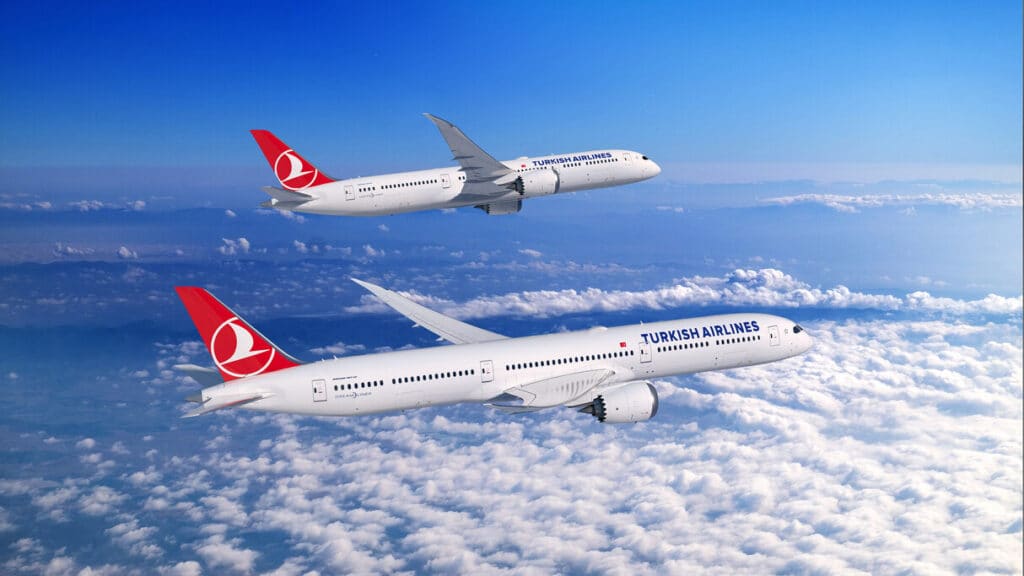
Turkish Airlines led European carriers with an 84.26 percent punctuality rate. SAS took second at 83.39 percent, Pegasus third at 82.49 percent, and Vueling and Austrian Airlines rounded out the top tier at 82.29 and 81.25 percent respectively.
Summer is traditionally the toughest season for European aviation. Airspace congestion, afternoon thunderstorms, and high passenger volumes test every link in the operational chain. The carriers that stayed above eighty percent managed tight coordination between ground handlers, air traffic control, and maintenance crews. Those gains matter especially in June, when delayed departures can ripple across networks for hours.
Cancellations Tell a Different Story
While punctuality held up, cancellations climbed sharply. Europe saw 9,165 flights scrubbed in June, up from 5,741 in May. Asia Pacific recorded the highest total, with 25,599 cancellations during the month.
The gap between strong on-time performance and rising cancellations points to a tactical choice. Airlines appear to be cutting flights preemptively rather than letting delays compound. Weather, air traffic control capacity, and technical snags all played a role. So did external pressures that made some routes unviable or unprofitable on short notice.
What Drove the Squeeze
June brought a confluence of headwinds. Geopolitical tensions in the Middle East forced rerouting over longer paths, burning more fuel and tightening crew duty limits. Jet fuel prices spiked, squeezing margins and prompting some carriers to trim frequencies or suspend thinner routes altogether.
Infrastructure strain showed up across regions. European air traffic control faced staffing gaps and occasional labor actions. North America struggled with convective weather and schedules built with little buffer. Major hubs in Asia Pacific dealt with slot congestion that left little room for recovery when things went wrong.
The fuel price volatility hit hardest. Carriers that had locked in hedges earlier in the year maintained more capacity; those exposed to spot markets pulled back faster. The result was uneven seat availability even as traveler demand remained high.
What It Means for Travelers
Choosing an airline with a track record for punctuality reduces stress, especially during peak months when rebooking options narrow. The June data show that carriers investing in operational rigor can still deliver reliability even when the broader system wobbles.
Yet punctuality is only part of the picture. A flight that departs on time but gets canceled the day before offers no benefit. Travelers booking summer trips should weigh both metrics and consider flexible tickets when flying through congested hubs or regions with known air traffic control constraints.
For the industry, June underscored the fragility of tightly wound schedules. Airlines that build in slack and maintain spare aircraft can absorb shocks. Those that optimize for maximum utilization risk cascading failures when external factors shift. The month also highlighted how quickly geopolitical and fuel market moves can erase the gains from improved ground operations.
Reliability remains the foundation of passenger trust. As long as external pressures persist, the carriers that balance efficiency with resilience will stand out.