New Orleans: Where Three Continents Meet on a Plate
New Orleans didn't just develop a food scene. It created an entirely new cuisine, one that exists nowhere else. The city's location at the mouth of the Mississippi, combined with French colonial roots, Caribbean trade routes, and West African cooking traditions, produced dishes that defy easy categorization.
Cajun and Creole cooking remain the backbone of the city's restaurants. At spots like Cochon, menus lean heavily on techniques passed down through generations: slow-smoked meats, deep-flavored stews, and ingredients that would have been considered scraps elsewhere. Chicken hearts appear alongside ham hocks braised with red beans. Jacques-Imo's serves shrimp and alligator sausage baked into cheesecake, a combination that sounds improbable until you taste it.
Then there's the po'boy, a sandwich that has become synonymous with the city itself. The formula is deceptively simple: a crisp French baguette, shredded lettuce, tomatoes, pickles, and a protein. But the execution matters. Shrimp, roast beef, and fried catfish are common fillings, each requiring different preparation methods to get right. Parkway Bakery and Tavern, open since 1911, earned a stamp of approval from Beyoncé in 2013 when she ordered 150 of them for her tour crew.
For dessert, beignets from Cafe Du Monde remain a non-negotiable stop. The fried dough arrives hot, buried under a snowdrift of powdered sugar.
San Francisco and Berkeley: Farm Meets Ocean
Geography dictates what ends up on San Francisco's plates. The Pacific stretches out to the west, wine country sprawls to the north, and California's agricultural heartland lies to the south. The result is a food culture built on access to exceptional raw ingredients.
Fisherman's Wharf draws tourists for good reason. The seafood is as fresh as you'll find, and Boudin Sourdough has been baking its signature tangy loaves there since the Gold Rush era. Their bread bowls, hollowed out and filled with clam chowder, have become a San Francisco cliché, but they're popular because they work.
Across the bay in Berkeley, Alice Waters opened Chez Panisse in 1971 and essentially invented modern California cuisine. The restaurant's philosophy was radical at the time: source ingredients from local farms, change the menu based on what's in season, and let the quality of the produce do most of the work. That approach has since become standard practice in kitchens worldwide, but Chez Panisse remains the original. Nearby, FAVA continues the tradition with organic flatbread sandwiches and salads that prioritize flavor over fuss.
The Mission District gave the world the Mission-style burrito, an oversized version of the Mexican staple stuffed with rice, beans, avocado, and meat. Taqueria Cancún takes it further with their Burrito Mojado, which arrives topped with extra guacamole, sour cream, and salsa. It's not subtle, but subtlety isn't the point.
Memphis: Smoke and Meat
Memphis takes barbecue seriously. The city's style leans on hickory smoke and slow cooking, producing meats that fall apart at the touch of a fork. Payne's Bar-B-Que operates out of a converted gas station and serves chopped pork sandwiches that have earned a cult following. Even dive bars like Alex's Tavern turn out excellent ribs, seasoned with a shake of Cavender's Greek seasoning for a salty kick.
The Bar-B-Q Shop carries a particular legacy. It descended from Brady & Lil's, a joint near Stax Records where, according to local lore, the Beatles once bought out the entire rib inventory. Whether that story is true or embellished over decades doesn't really matter. What matters is that the ribs still live up to the hype.
New York: High and Low, All Good
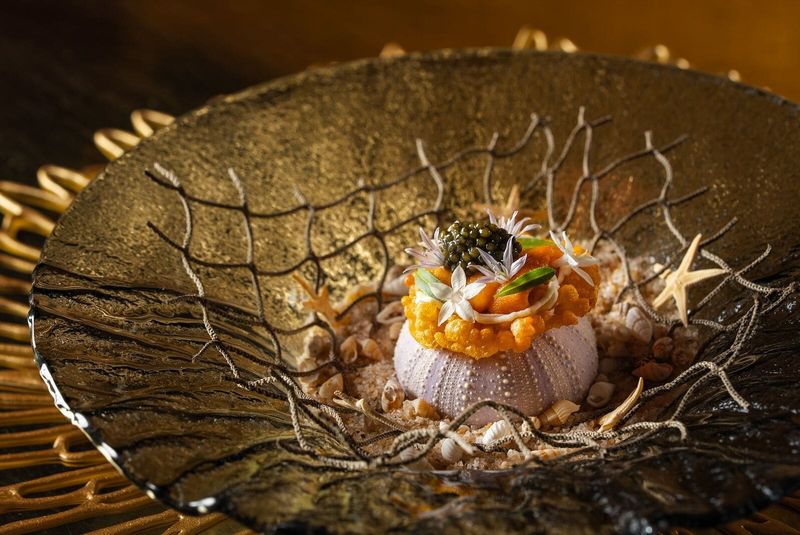
New York's food reputation rests on both extremes. You can grab a dollar pizza slice on a street corner or book a table months in advance at Le Bernardin, where chef Éric Ripert has held three Michelin stars for years. His tuna tartare with sea urchin toast exemplifies the kind of precision French technique the city does well.
But New York's appeal lies just as much in its everyday food. Katz's Delicatessen has been slicing pastrami since 1888, piling it high on rye bread with nothing more than mustard. A sign inside marks the exact table where Meg Ryan filmed her famous scene in When Harry Met Sally. Tourists line up for photos, but locals line up for the sandwiches.
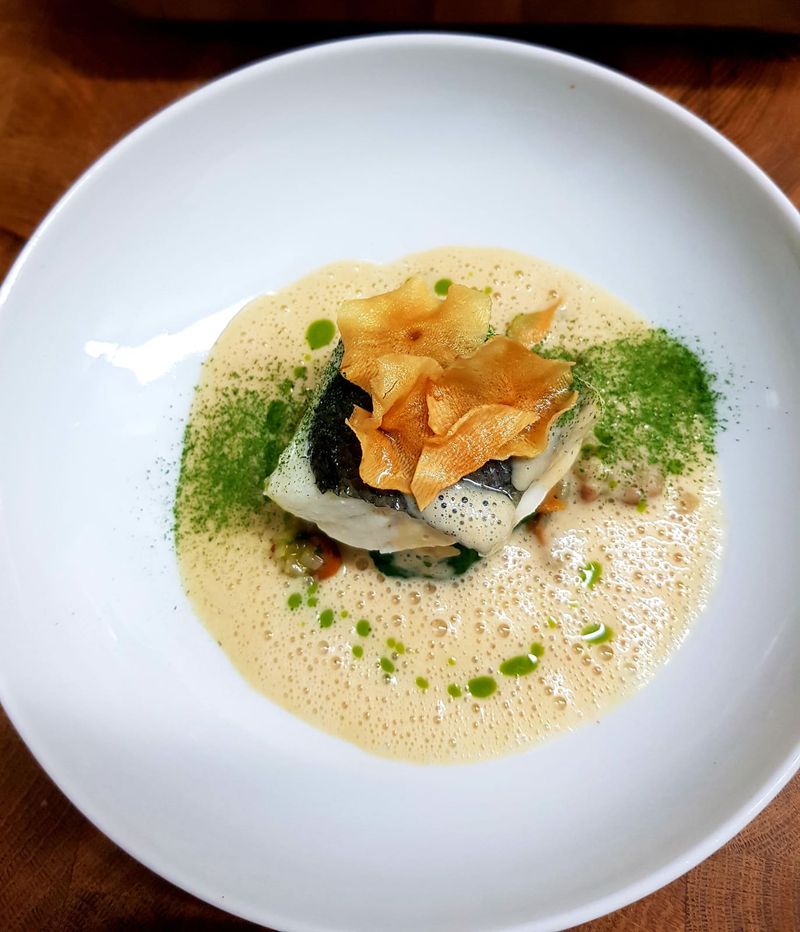
Korean food has become a major part of the city's dining landscape. Atomix, a forward-thinking restaurant in Manhattan, ranked seventh in the United States on the World's 50 Best Restaurants list. Their Spanish mackerel with turnip and lentil showcases the kind of technical skill and creativity that keeps New York at the forefront of global dining.
Portland, Maine: Cold Water, Fresh Catch
Portland sits on the North Atlantic coast, which means lobster, oysters, and mussels arrive at restaurants within hours of being pulled from the water. Eventide Oyster Co. offers 18 varieties of oysters on any given day, each with distinct flavor profiles shaped by the specific waters they came from.
Harbor Fish Market, open since 1969, remains a New England institution. It's the kind of place where locals pick up whole fish for dinner and tourists buy lobster rolls to eat on the dock. The seafood doesn't get much fresher unless you catch it yourself.
Portland has also attracted chefs who see the abundance of local seafood as a creative challenge rather than a limitation. Thomas Takashi Cooke's Izakaya Minato applies Japanese techniques to Maine ingredients, producing dishes like mochi "bacon" and broiled oysters with miso custard. The results are inventive without feeling forced.
Los Angeles: Everything, Everywhere
Los Angeles doesn't have a single food identity. It has dozens, layered on top of each other across a sprawling metropolitan area. Taco trucks park on corners throughout the city, serving some of the best Mexican food north of the border. In-N-Out Burger has achieved cult status among fast-food chains, drawing lines that stretch around the block.
Koreatown's all-you-can-eat barbecue restaurants like Jjukku Jjukku BBQ offer a different kind of abundance. Jitlada, tucked into a strip mall, has built a reputation for serving the spiciest Thai food in the city, a claim it backs up with every dish.
LA's vegetarian and vegan scene rivals any city in the world. Crossroads Kitchen serves a spaghetti carbonara topped with a vegan egg that looks and tastes startlingly close to the real thing. The runny yolk is reportedly made from yellow tomatoes, though the exact recipe remains a closely guarded secret.
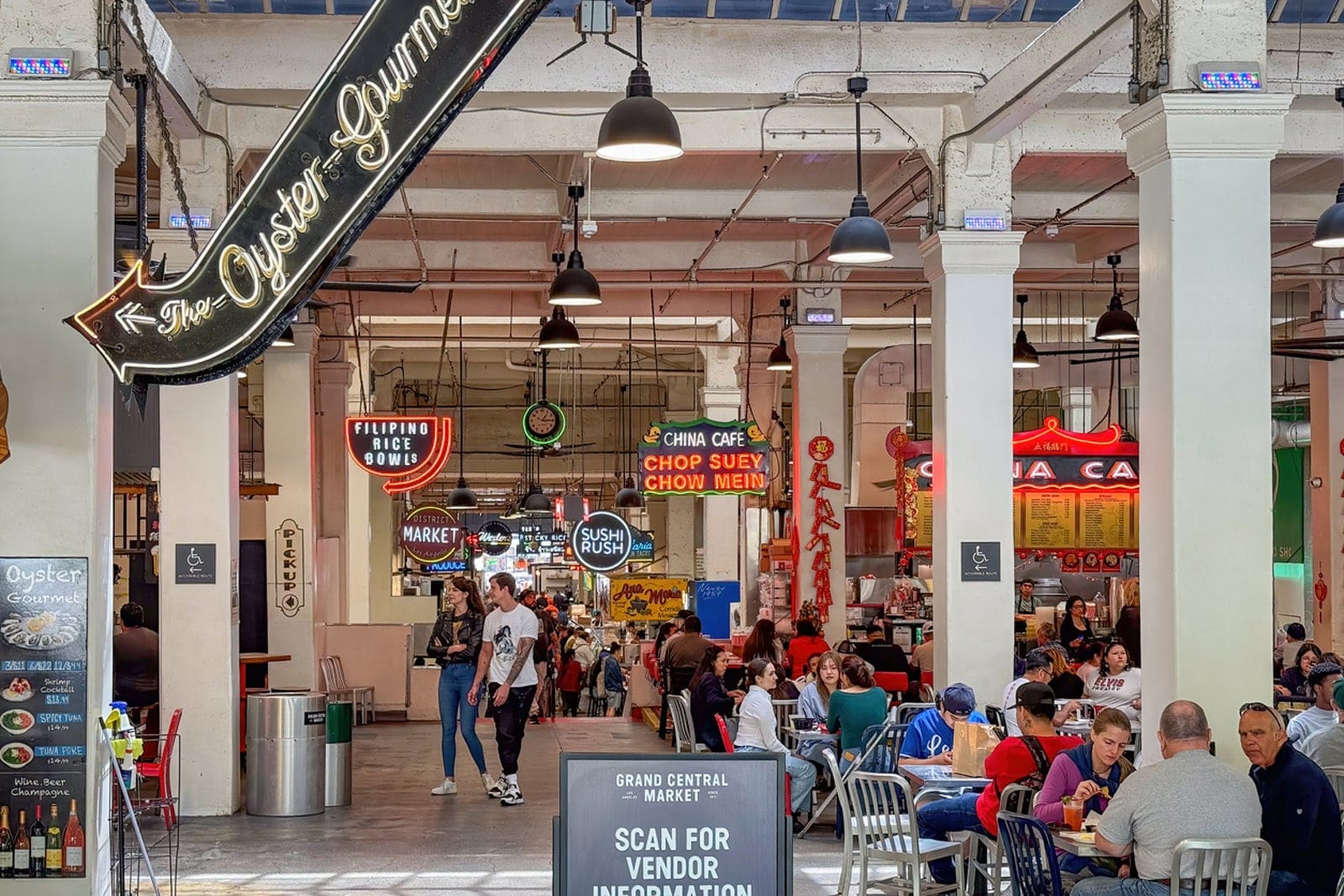
Grand Central Market, open since 1917, functions as a microcosm of the entire city. Dozens of stalls offer cuisines from across the globe, all under one roof. It's an ideal starting point for anyone trying to wrap their head around LA's culinary diversity.
What Makes a Food City
These six cities share certain characteristics. They all have access to high-quality local ingredients, whether that's seafood, farm produce, or livestock. They all have diverse populations whose culinary traditions have blended and evolved over generations. And they all have communities of people who care deeply about food, not just as fuel but as culture, history, and identity.
The best meals in these cities aren't necessarily the most expensive or the most elaborate. Sometimes they're sandwiches eaten standing up, or ribs served in a dive bar, or burritos wrapped in foil. What matters is that they taste like they belong exactly where they are, and nowhere else.