A Record Quarter Built on New Revenue Streams
Southwest Airlines reported second-quarter revenue of $8.4 billion, a 16.4% increase that marks the highest quarterly total in the carrier's history. The gains came as the airline leaned on higher ticket prices and newly introduced baggage fees to manage an $889 million fuel expense, according to Southwest.
CEO Bob Jordan said the airline would continue refining its network, product offerings, and pricing strategies to strengthen profitability. The results reflect changes the carrier has made over the past two years, moves that have reshaped how Southwest generates income.
For decades, Southwest built its brand on free checked bags and open seating. Both policies are now gone. The airline began charging for checked luggage earlier this year and introduced assigned seating on most flights, aligning its approach with the rest of the U.S. airline industry. The shift has drawn mixed reactions from passengers who valued the old model, but the financial impact is clear.
Fuel Costs and Pricing Power
Fuel remains one of the largest expenses for any airline, and Southwest's $889 million bill for the quarter underscores that reality. The carrier has historically been more exposed to fuel price swings than competitors because of its point-to-point route structure, which requires more frequent takeoffs and landings than the hub-and-spoke systems used by legacy airlines.
To offset those costs, Southwest raised average fares across its network. The airline has not disclosed specific fare increases, but the revenue jump suggests passengers absorbed the higher prices without a significant drop in demand. That pricing power reflects a broader trend in the U.S. market, where airlines have maintained strong load factors even as ticket costs climb.
Baggage fees, once a revenue source Southwest proudly avoided, now contribute meaningfully to the bottom line. The carrier joined American, Delta, and United in charging for checked bags, a decision that industry analysts had long predicted. The fees generate incremental revenue on routes where fare competition is intense and margins are thin.
A Broader Network, A Different Airline
Jordan pointed to network expansion as another driver of the quarter's performance. Southwest has added routes to smaller cities and increased frequencies on existing routes, particularly in the western United States. The carrier has also hinted at exploring long-haul international destinations, though no specific cities have been announced.
The airline's fleet remains dominated by Boeing 737s, but delivery delays from the manufacturer have complicated growth plans. Southwest has publicly stated it will adjust capacity in response to aircraft availability, a constraint that could limit how quickly it can expand into new markets.
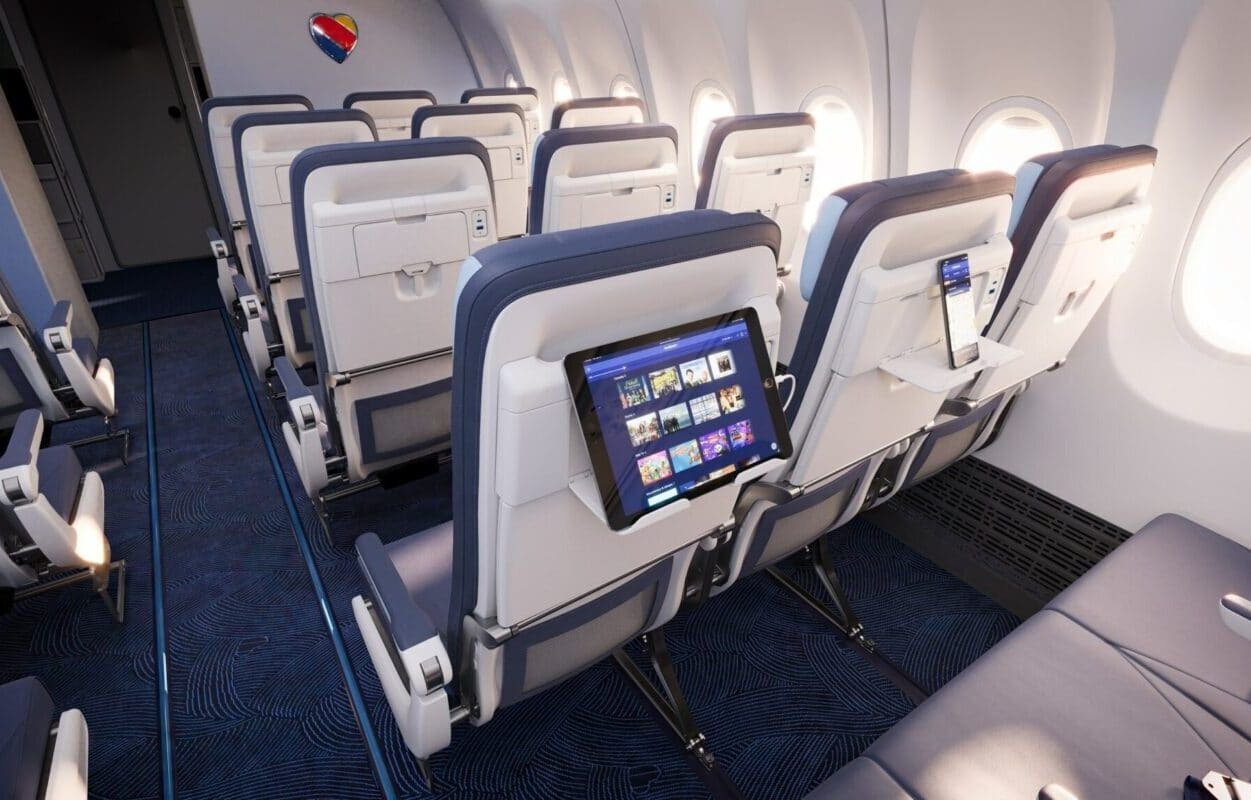
The shift in business model extends beyond fees and routes. Southwest has invested in premium seating options, including extra-legroom rows that command higher prices. The airline has also overhauled its loyalty program, making it easier for frequent flyers to earn status but harder to redeem points for free flights during peak periods.
What It Means for Travelers
For passengers, the changes mean Southwest now operates much like its competitors. The days of showing up early to claim a window seat are over, and the cost of checking a bag is no longer a reason to choose Southwest over another carrier. The airline's fares, once reliably lower than legacy carriers, have risen to match or exceed them on many routes.
Still, Southwest retains some customer-friendly policies. It does not charge change fees, a rarity in the U.S. market, and it allows passengers to cancel flights for full credit toward future travel. Those features continue to differentiate the airline, even as other aspects of the experience converge with industry norms.
The question for Southwest is whether the new revenue streams can sustain growth without eroding customer loyalty. The airline has historically enjoyed strong repeat business, but that was built on a value proposition that no longer exists in the same form. As fuel costs fluctuate and competition intensifies, the carrier will need to prove that its evolving model can deliver both profitability and passenger satisfaction.
For now, the numbers suggest the strategy is working. Revenue is up, and the airline is managing its fuel bill without sacrificing capacity. Whether that momentum continues will depend on how travelers respond to the changes, and whether Southwest can maintain its operational reliability as it navigates a more complex and competitive landscape.