A New Incentive for Shoppers
Uzbekistan rolled out a VAT refund programme for foreign visitors in April 2026, making it easier for international travellers to reclaim tax on goods bought during their trips. The scheme covers purchases of at least 300,000 soms, roughly €21, and returns up to 85% of the value-added tax paid. The remaining 15% covers administrative costs.
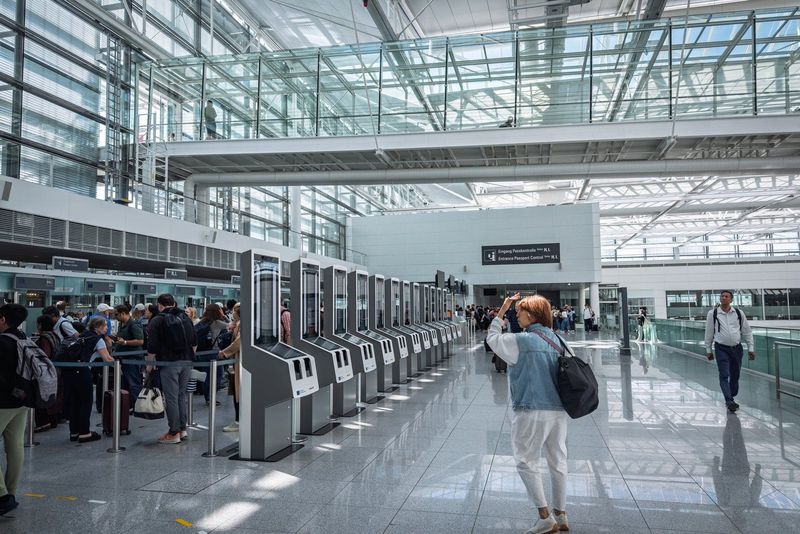
Refunds are available at all international airports in the country. Visitors who paid by card can expect their money back within three working days once customs confirms the goods have left Uzbekistan. Cash purchases are also eligible, with refunds processed at airport counters before departure.
The programme removes earlier restrictions that limited which products qualified for tax-free shopping. Food items remain excluded, but most other retail categories are now covered, according to Uzbekistan's national tourism authorities. The change follows a presidential decree issued in early March.
Why Uzbekistan Is Betting on Retail
The refund system is part of a broader effort to grow the country's tourism economy. Uzbekistan has set three targets for the coming years: lift tourism's contribution to GDP to 7%, attract 20 million foreign visitors annually, and push tourism service exports past $6 billion.
The country welcomed 11.7 million international visitors in 2025, a 46.8% jump from the year before. Most arrivals came from neighbouring Central Asian countries. Kyrgyzstan sent 3.3 million visitors, while Tajikistan and Kazakhstan each contributed 2.7 million.
Encouraging visitors to spend more while they're in the country is a logical next step. VAT refunds lower the effective cost of shopping, which can be a deciding factor for travellers weighing purchases. The scheme also signals that Uzbekistan is willing to invest in infrastructure that makes the visitor experience smoother.
Expansion Plans Beyond Airports
Authorities plan to extend the refund system beyond airports in stages. Future phases will include border checkpoints, train stations, and select retail outlets, making it easier for visitors entering overland or travelling within the country to access refunds.
There are also plans to digitise the process. Officials have indicated that websites and mobile apps will be introduced to speed up claims and reduce paperwork. That would bring Uzbekistan closer to the streamlined tax-free systems already in place in parts of Europe and Asia, where travellers can often file claims electronically before they even reach the airport.
The timing matters. Uzbekistan has been working to position itself as a more accessible destination, easing visa requirements and improving transport links. A VAT refund system fits into that narrative, addressing a practical concern that can influence where people choose to travel and how much they're willing to spend once they arrive.
What This Means for Visitors
For travellers, the refund threshold is low enough to be realistic. A few purchases in local markets or shops can easily reach 300,000 soms, especially when buying textiles, ceramics, or other goods associated with Uzbekistan's craft traditions. The 85% refund rate is competitive, though not the highest globally. Some countries return the full VAT amount, while others take a larger cut for processing.
The three-day turnaround for card refunds is relatively quick, which matters for visitors who might not have time to wait at the airport or prefer not to carry extra cash. Cash refunds, meanwhile, offer immediate access to funds, though they come with the usual considerations around currency exchange and carrying larger sums.
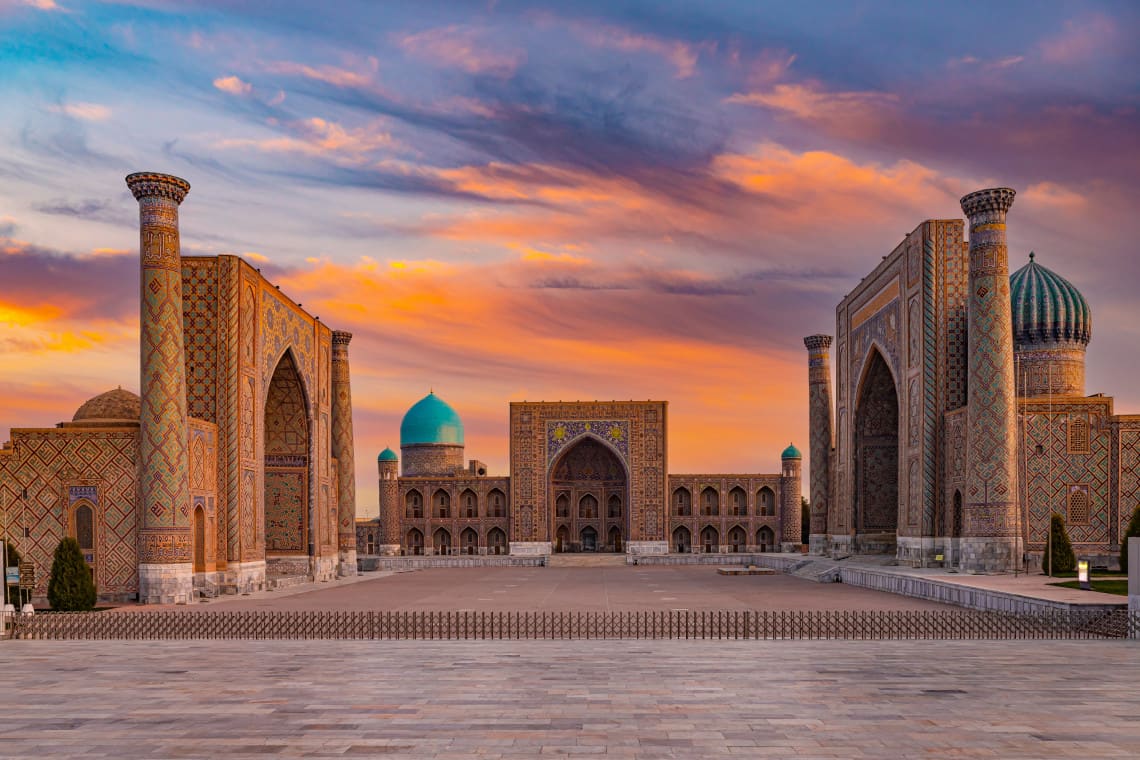
The scheme also underscores a shift in how Uzbekistan is thinking about tourism. For years, the country's appeal rested largely on its historical sites, particularly the Silk Road cities of Samarkand, Bukhara, and Khiva. Those remain central, but the government is now layering in policies aimed at the practical side of travel: making it easier to enter, move around, and yes, shop.
A Broader Regional Context
Uzbekistan isn't alone in using tax refunds to court tourists. Several countries in Asia and the Middle East have introduced similar systems, recognising that retail spending can be a significant revenue stream. The competition for visitors in Central Asia is also heating up. Kazakhstan and Kyrgyzstan have both ramped up tourism promotion in recent years, and Uzbekistan's VAT refund programme is one way to differentiate itself.
The country's location and history give it a natural advantage. The Silk Road legacy still resonates, and Uzbekistan's architecture and cultural sites draw visitors interested in history and heritage. Adding a financial incentive to shop could help extend average stays and increase per-visitor spending, two metrics that matter as much as raw arrival numbers when measuring tourism's economic impact.
The phased rollout suggests the government is testing the system before committing to a full-scale expansion. Starting with airports makes sense logistically, as those are controlled environments with existing customs infrastructure. Extending refunds to land borders and retail outlets will require more coordination, but it also opens the programme to a wider range of visitors, including those arriving by road or rail from neighbouring countries.
For now, the system is operational and available to anyone entering Uzbekistan on a foreign passport. Whether it will meaningfully shift visitor behaviour remains to be seen, but it's a concrete step in a country that has been methodically building its tourism sector piece by piece.