The Horse That Couldn't Stand Still
Hannah was supposed to be dying. A leg infection from the rainy season had left her limping, barely mobile. But today she's galloping, kicking up sand in the ring at Nihi Sumba's rescue sanctuary. Something has shifted. The session can't start yet. The horse needs to settle first.
This isn't the typical morning at one of Indonesia's most exclusive resorts. Nihi Sumba is known for world-class surf and gallops along the beach at sunset, not for ceremonies involving crumpled papers and coconut water and waiting for a horse to calm down. But this week, the property is hosting its first retreat with Candice Webster, a South African equine healer whose reputation for trauma work has drawn a million followers online.
Webster doesn't call what she does sessions. She calls them ceremonies. And the horses, she says, are the medicine.
A Different Kind of Luxury
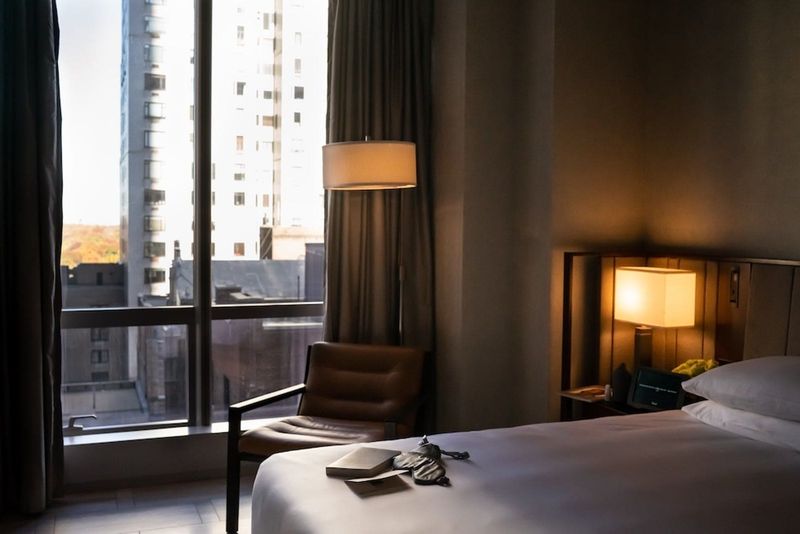
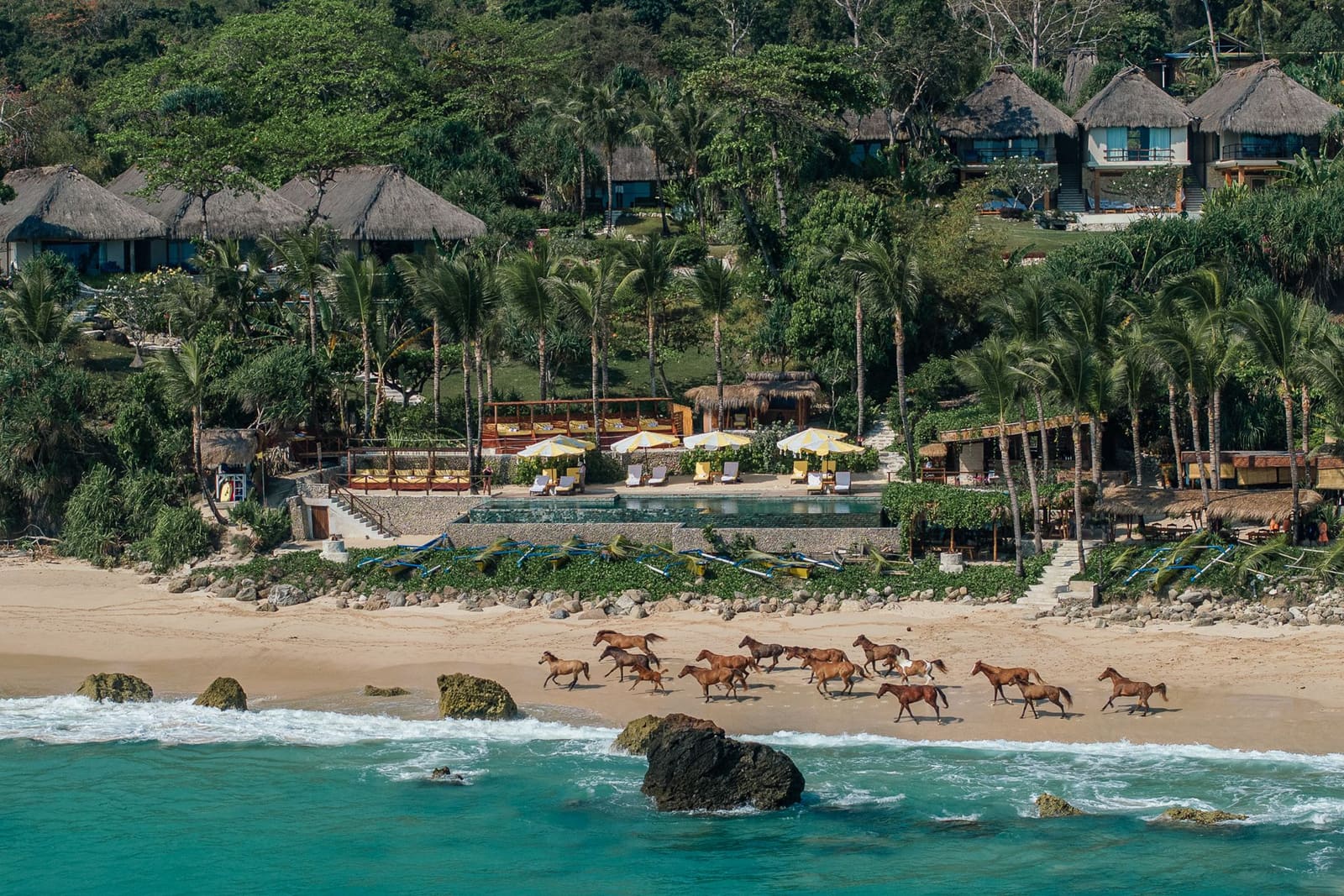
Nihi Sumba sits on a wildly undeveloped Indonesian island, ninety minutes by car from the nearest airport. The drive winds through dense jungle and rice fields before opening onto a stretch of white sand where turquoise waves hammer the shore. It's remote enough to feel like a lost world, polished enough to come with two butlers per villa.
The property has run an equine program since 2013, led by resident horse whisperer Carol Sharpe. Guests can ride at sunrise, practice horse yoga, or trek with the herd to higher grazing grounds. But Webster's retreat goes further. It asks participants to stand in a ring with rescued horses and let the animals read what they're carrying.
The theory is that horses, as prey animals, have evolved to detect the smallest shifts in breathing, posture, and tension. They don't care about your job title or the story you tell at parties. They respond to what's underneath. Whether you believe they can sense something deeper or simply mirror your physical state, the effect can be unsettling.
What Happens in the Ring
The ceremony takes place at Nihioka, the sanctuary an hour's ride from the main resort. Emerald hills roll down toward the sea. The sound of waves carries faintly across the valley. A bed is set up in the sand ring, adorned with a conch shell and hibiscus. Two horses join: Hannah, newly energized, and Nicky, a young gelding who nibbles at hands and inexplicably eats the flower.
Webster is small, with long hazel curls and a grin that rarely fades. She radiates a kind of perma-excitement. She's never worked outside her South Africa ranch before; people travel to her. Today she's consulting dragons, she says, and Mother Gaia. It sounds odd. But she's earnest, and the setting is so beautiful, and the waves keep rolling in the distance.
The tears start almost immediately. Webster moves her hands over each chakra in turn, speaking in what she calls light language, an unintelligible stream of sounds. When she reaches the chest, the crying intensifies. At one point, heat radiates from the feet, but her hands aren't touching anything.
It's hard to explain. Western wellness culture has a habit of commodifying spirituality, repackaging sacred practices as resort amenities. A stay here is undeniably indulgent: open-air massages, hair smoothies, rose-petal baths that appear for no reason. But what happens in the ring resists easy packaging. The tears feel less like a response to pampering and more like something older, something the horses pull to the surface.
The Island Where Horses Guide the Dead
On Sumba, horses occupy a sacred role. According to Marapu, the island's ancestral animist religion, they aren't livestock. They're untamed nobles, living bridges between the human realm and the spirit world. When someone dies, horses are among the animals sacrificed in elaborate burial rituals. The blood pays homage to creator spirits and transforms the animals into spiritual beasts of burden, carrying the deceased's soul and earthly wealth into the ancestral realm.
To work with horses here is to engage with the island's heartbeat. Carol Sharpe has spent years rescuing neglected animals, rehabilitating them at Nihioka, and rehoming them when possible. She runs her own equine retreats on request, leading mindfulness sessions and explaining the role horses have played in Sumbanese life for generations.
In one session, a large bay Sandalwood horse named Hunter initially shies away from touch. The directive is to send him away by spinning a lead rope. Thirty minutes later, he's following untethered, stopping, starting, and turning under hands-free direction. If you can control a horse, Sharpe says, you can control your own life.
The Evidence in the Sand
Equine therapy has gained traction in recent years. Practitioners believe horses' sensitivity to body language and emotion allows them to respond to feelings humans suppress. Horses don't rehearse. They don't perform a version of themselves for the world. As prey animals, they've evolved to read the smallest changes in order to survive. Whether or not they detect something metaphysical, they have a way of demanding presence.
By the end of the ceremony, the sand ring is a mess. Hannah and Nicky have wheeled around and around, digging craters where the ground was once smooth. It's a striking visual: all that buried emotion, exhumed and scattered in the daylight. The crumpled papers go into a bowl and burn.
At sunset, boys from a nearby village gallop bareback down the beach on their Sumba ponies. The sky turns pastel. Waves rear up six meters high before crashing onto the shore. A farmer herds buffalo into the shallows.
What the Medicine Really Is
It's easy to dismiss this as just another high-end wellness offering for travelers with deep pockets. Plenty of beautiful hotels exist. Most don't make their guests weep. But this retreat feels different, maybe because it mirrors the same ancient respect the island has always held for horses. Sharpe has dedicated years to rescuing animals. Webster trusts them to lead people toward parts of themselves they struggle to reach alone.
The retreat isn't cheap, and it isn't for everyone. But the vulnerability feels genuine. Sharing so much with strangers in such a short time is surprisingly comfortable, maybe because the horses create a kind of permission. They don't judge. They just reflect.
Perhaps the medicine is simply the opportunity to feel truly seen. You don't need to believe in energy work or chakras to believe in the power of that. You just need to be willing to stand in a ring with a horse and see what comes up.