The Appeal of Compact Rest
The idea of disappearing for two weeks to overhaul your health sounds appealing until you try to make it happen. Time off doesn't stretch that far for most people. Planning becomes a project. And the pressure to come back transformed can drain the trip before it starts.
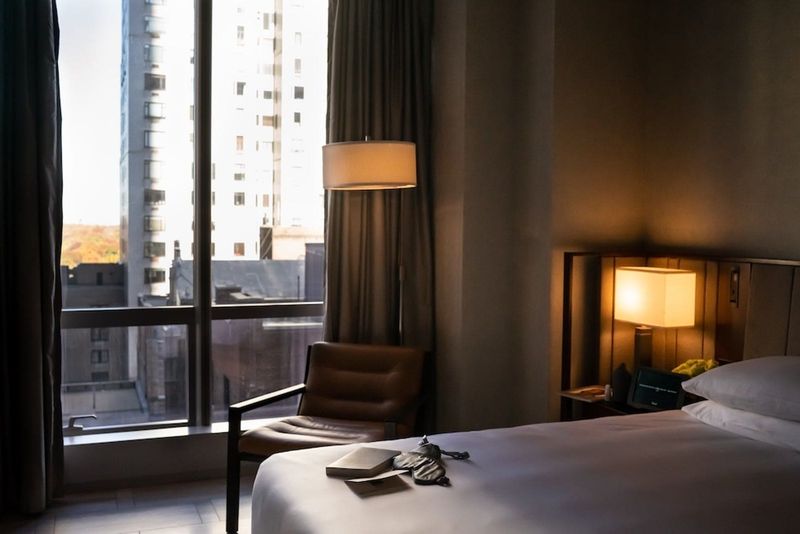
That's part of why shorter wellness stays are gaining traction. A Friday-to-Sunday escape requires less coordination, fits into tighter calendars, and delivers a tangible shift without demanding total life upheaval. You're not chasing reinvention. You're after a pause that actually sticks.
Properties like Miraval Arizona have structured their offerings around this reality. Meals, activities, and treatments are already arranged. Guests show up, follow a loose rhythm, and leave without having made a single dinner reservation or debated what to do next. The framework does the work so visitors can settle in.
What Makes a Short Stay Work
Not every property delivers on the premise. The ones that do share a few patterns.
First, they're self-contained. Once you arrive, everything you need stays within reach. At The Retreat at Blue Lagoon in Iceland, guests move between private geothermal access, spa sessions, and meals without stepping off-site. The environment removes the need to navigate logistics.
Second, they resist the urge to overfill the schedule. Civana Wellness Resort in Arizona offers daily programming but leaves room for guests to skip, wander, or simply sit. The structure guides rather than governs. That flexibility matters when the goal is rest, not achievement.
Third, they cut decision-making. You're not constantly weighing options or planning the next move. SHA Wellness in Spain and Mexico takes this further by pairing holistic therapies with medical oversight, creating personalized programs that address nutrition, stress, and energy without requiring guests to piece it together themselves.
Four Paths to a Better Weekend
What you're trying to recover from shapes which type of escape makes sense.
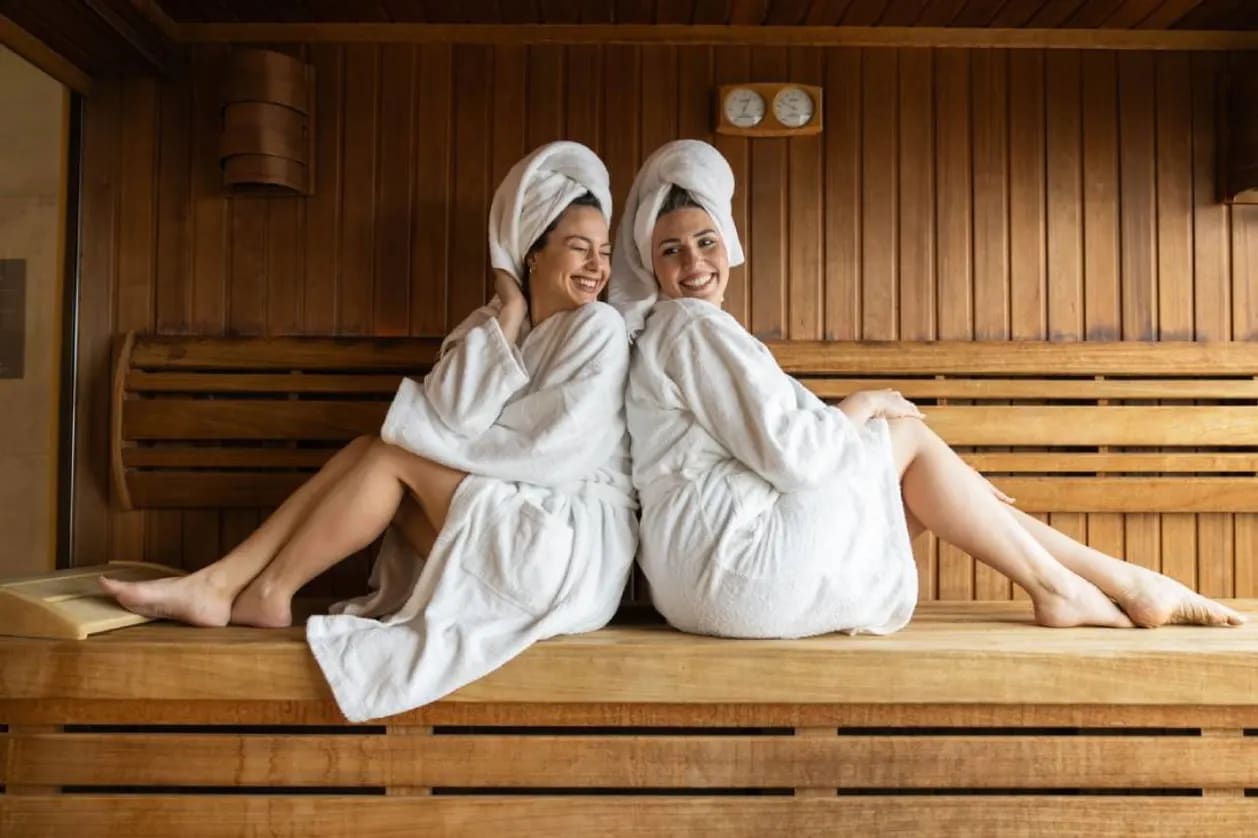
If your body needs attention, spa-focused stays offer the fastest relief. The Retreat at Blue Lagoon centers on mineral-rich water and in-water treatments designed to ease tension and improve circulation. Miraval Arizona layers spa rituals with mindfulness practices, using the desert as a backdrop to quiet mental noise.
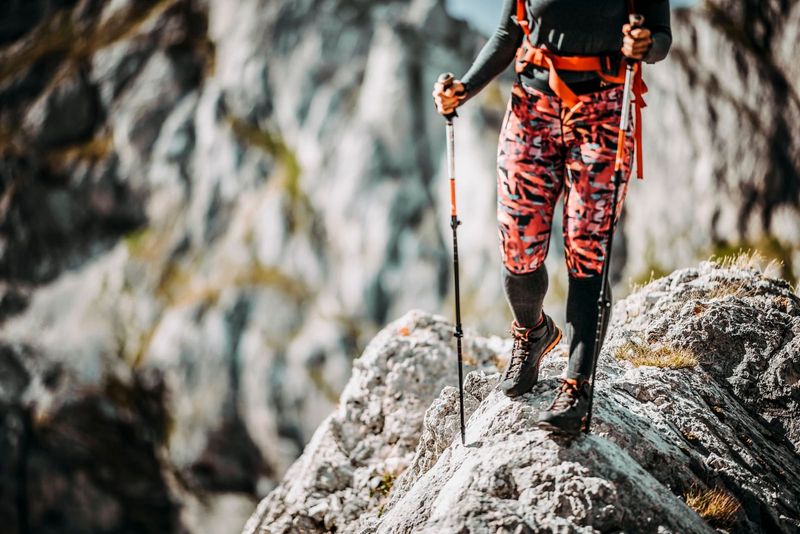
If sitting still feels worse than moving, active retreats flip the script. Miraval also builds in hiking through the Sonoran Desert, strength sessions, and outdoor challenges. The advantage is that movement becomes part of the day without you having to plan it or push yourself to maintain your usual intensity.
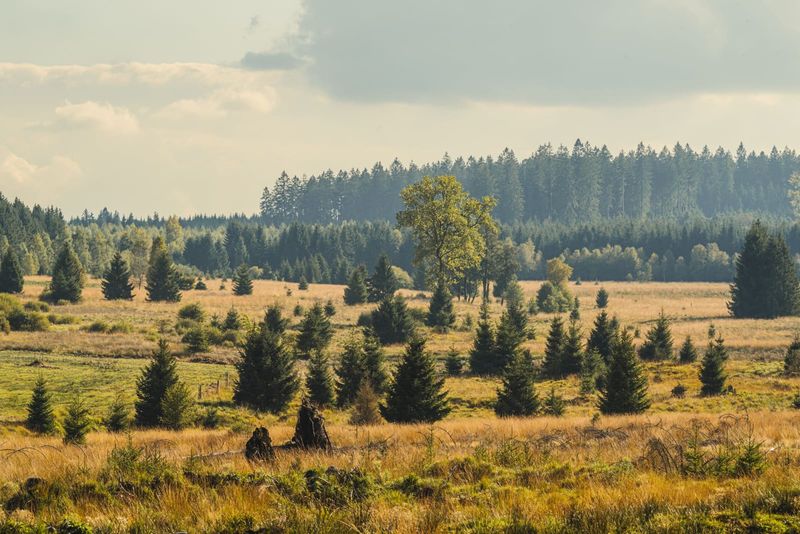
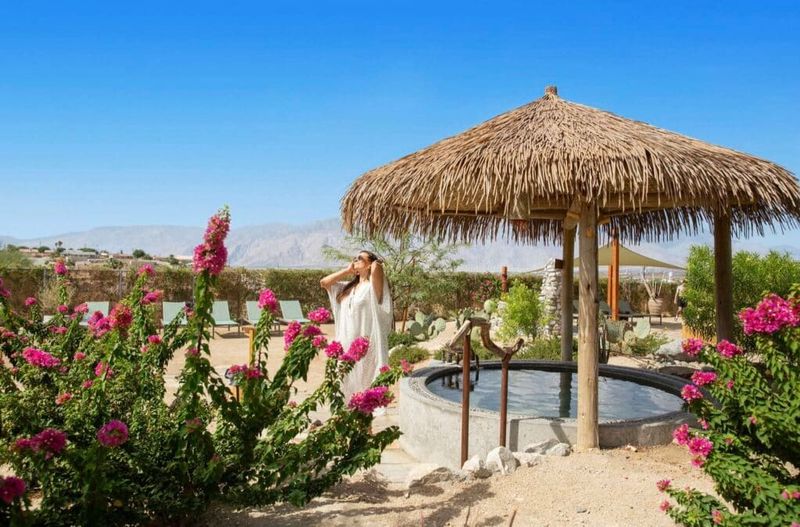
If the environment itself is what you're after, nature-driven properties lean into landscape as the primary tool. Civana uses the desert to set a slower pace. The surroundings do part of the work, creating space both literally and mentally. That kind of calm doesn't come from scheduled activities alone.
If mental exhaustion is the bigger issue, retreats focused on clarity take a different route. SHA Wellness combines meditation, life coaching, and therapies rooted in Traditional Chinese Medicine and stress management. The approach is methodical, blending medical expertise with holistic practice to address patterns rather than symptoms.
How to Book Without Overcomplicating
The most common mistake is trying to maximize every hour. A packed itinerary defeats the purpose.
Start by picking a destination within a few hours of home. Long travel eats into the time you're trying to protect. Then look for properties where meals, activities, and treatments are already included. That removes the need to coordinate and lets you stay present.
Once you arrive, resist the urge to do everything. Choose one or two priorities, whether that's improving sleep, reducing stress, or simply unplugging, and let the rest of the time unfold on its own. The value isn't in checking boxes. It's in the interruption.
Why the Shift Feels Different
These shorter trips aren't about transformation. You won't return as a new version of yourself after 48 hours. But you do get a break from the cycle of constant movement and noise.
That interruption matters more than the length of stay. A couple of days in the right setting, with fewer decisions and more support, can shift how you feel for weeks after. The appeal isn't escape. It's the chance to step back just enough to think clearly again.
What's changing isn't the definition of wellness travel. It's the recognition that rest doesn't require a massive time commitment to be effective. A well-designed short stay can deliver what a longer trip promises, without the logistics that make it hard to leave in the first place.
And for travelers trying to balance real life with the need to recharge, that's exactly the point.