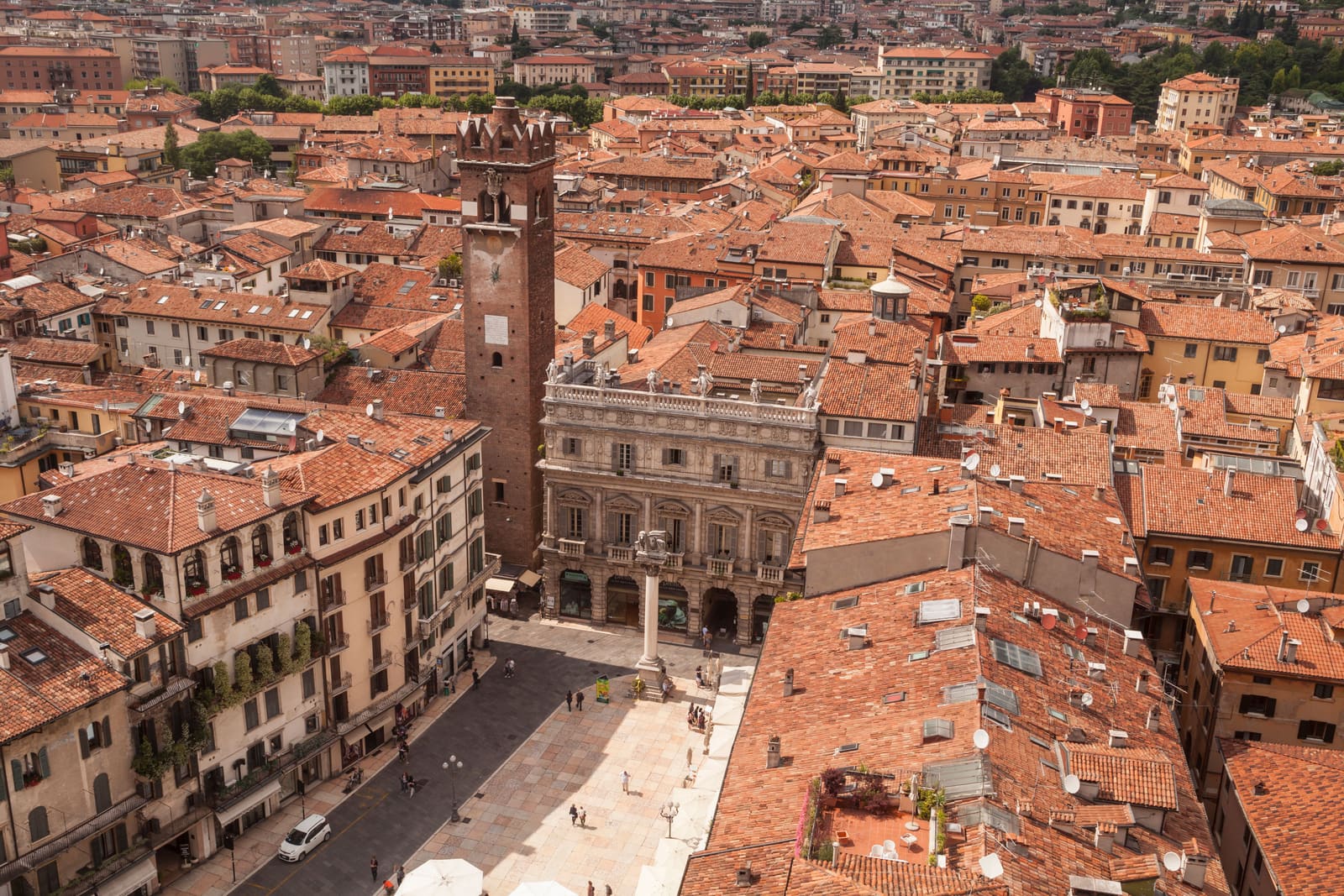
A City That Rewards Slower Travel
Most tourists arrive in Verona for a few hours, snap photos at Juliet's balcony, and leave. That pattern has created an unusual situation: a northern Italian city with Roman ruins, Renaissance frescoes, and a working opera amphitheatre that rarely feels overrun.
The city sits between Lake Garda and the Veneto plains, close enough to Venice and Milan to attract day trippers but often overlooked for longer stays. That oversight works in favour of anyone willing to spend a weekend. Restaurants don't require reservations weeks out, museums have manageable lines, and the neighbourhoods beyond the historic centre remain firmly local.
Verona's appeal isn't built on a single landmark. The Arena, a first-century amphitheatre, still hosts summer opera performances. Medieval palaces line narrow streets that open onto piazzas where markets have operated for centuries. The Adige River curves through the old town, creating natural viewpoints that shift depending on the time of day.
Where to Stay
Three hotels illustrate Verona's range, from historic grandeur to contemporary design.
Hotel Due Torri occupies a 14th-century building next to the Basilica of Saint Anastasia. The interiors lean into old-world drama, with white-gloved service and a style that recalls early 20th-century luxury hotels. It's not minimal, and it's not trying to be. The location puts you within walking distance of the Arena and the main shopping streets.
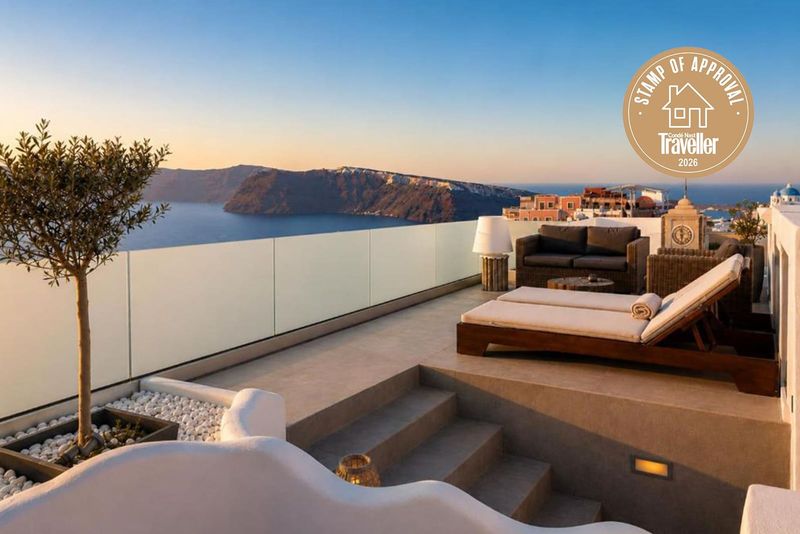
Vista Verona opened in 2022 in a 19th-century palazzo. The property has 16 rooms, a small spa with an indoor pool, and a rooftop bar that looks out over terracotta roofs and church domes. The design is sleek without feeling sterile, and the bar is worth visiting even if you're staying elsewhere.
NH Collection Palazzo Verona blends Roman foundations with 14th-century architecture and modern interiors. Some rooms feature original frescoes; others have views over the rooftops. The communal spaces feel comfortable rather than formal, and the building's layered history is visible throughout.
Eating Beyond the Tourist Centre
Verona's food scene reflects its position in the Veneto region, with influences from the mountains to the north and the plains to the south. Horse meat appears on many menus, a local tradition worth noting before you order.
Osteria Terzo Ponte sits in Borgo Milano, a residential neighbourhood outside the old town. The restaurant has a garden terrace that fills with locals during warmer months. The menu takes traditional dishes and adjusts them slightly, like a version of vitello tonnato made with pork instead of veal, or rocket pesto pasta that's richer than the Ligurian original. It's the kind of place where portion sizes are generous and no one rushes you through a meal.
Iris operates in a building from the 1400s, with Renaissance frescoes and marble details. Dinner begins with an aperitivo in the cellar before moving to the main dining room. The kitchen offers two tasting menus and an à la carte selection. One signature dish, Turanicum spaghetti with mantis shrimps, wild asparagus, and liquorice, shows up on both. At lunch, a tasting menu runs €95 and includes that dish.
Amaro focuses on the Veneto tradition of aperitivo. The bar serves four variations on the Spritz, including one with cucumber and mint, along with cicchetti, the Venetian version of tapas. If you stay for dinner, the kitchen turns out fried meatballs, tartare, and cotoletta. It's a good spot to experience the local habit of eating and drinking slowly before moving on to the next stop.
What to Do Beyond the Balcony
The Arena di Verona is one of the best-preserved Roman amphitheatres in the world. Built around 30 AD, it seats thousands and still functions as a performance venue. Summer opera seasons draw crowds, but tickets remain relatively affordable compared to indoor opera houses. The calendar goes live months in advance, so early booking secures better seats. Watching a production of Nabucco or La Traviata in that setting is a reminder of how old public entertainment infrastructure can be.
A different perspective on the city comes from the water. Adige Rafting organises gentle trips along the river, either in mixed groups or private boats that hold up to twelve people. One option includes an aperitivo on the raft, starting with local wine, cheese, and cured meats on shore before boarding. The guide explains the city's history while the raft drifts past old bridges and fortifications, with two stops along the riverbanks for more wine. It's not whitewater rafting, it's a slow float with a drink in hand.
A Side Trip to Lake Garda
Lake Garda is less famous than Lake Como but no less scenic. The southern end is easiest to reach from Verona, with trains running to Peschiera del Garda for around €4.80. From there, ferries connect to Sirmione, a town known for its thermal springs and Roman ruins called the Grottoes of Catullus. Jamaica Beach, despite the name, is a popular swimming spot with clear water and views across the lake.
Desenzano del Garda, a short ferry ride away, has a more lived-in feel. The historic centre has shops and restaurants that cater to locals as much as visitors, and it's a better choice for lunch or dinner than more crowded Sirmione. Trains run back to Verona throughout the day.
Why It Works
Verona's advantage is timing. Most tourists arrive mid-morning and leave by late afternoon, clustering around Juliet's balcony and a few nearby streets. That leaves the rest of the city, including its best restaurants and quieter piazzas, relatively undisturbed. Staying overnight shifts the experience entirely. Early mornings and evenings belong to residents, and the rhythm of the city becomes more visible.
The combination of Roman, medieval, and Renaissance architecture gives Verona a layered quality that rewards walking without a fixed plan. The city is compact enough to cover on foot but large enough that you won't see everything in a single day. That balance makes it a practical choice for a weekend, especially for travellers who want northern Italian history and atmosphere without the intensity of Venice or Florence.