A Shift in Regional Travel Patterns
Kazakhstan's accommodation sector served more than 10 million guests last year, marking a notable expansion in a country better known for oil exports than leisure travel. Domestic visitors accounted for 8.7 million of that total, up 700,000 from the previous year, while foreign arrivals reached 15.7 million, with 11.1 million classified as leisure trips, according to the Prime Minister's office.
The figures suggest the country is moving past simple recovery metrics and into a phase where tourism infrastructure is being built with longer timelines in mind. Accommodation revenue hit 350.6 billion tenge, roughly €652 million, while investment in the sector topped 1.3 trillion tenge, or approximately €2.4 billion. That level of capital deployment reflects a deliberate effort to make travel a durable part of the economy, not just a side benefit of improved connectivity.
Building Capacity Across Regions
The number of accommodation facilities grew to 4,482 last year, adding 179 properties and over 7,000 beds. That brings total capacity to more than 232,000 beds nationwide. Over the past 15 years, guest numbers have more than quadrupled, and annual investment has multiplied nearly sevenfold, according to government data.
The expansion is guided by Kazakhstan's Tourism Development Concept, a framework running through 2029 that targets 11 million domestic tourists and aims to diversify what the country offers beyond its main cities and mountain areas. Priority segments include ecotourism, agritourism, self-drive routes, equestrian travel, gastronomy, MICE, and family-oriented experiences.
Twenty-four internationally branded hotel projects are in the pipeline across 11 regions, with private developers backed by lending and investment incentives. Planned properties include Hilton, Marriott, Novotel, Courtyard by Marriott, Rixos, and Radisson Blu locations in cities such as Konaev, Pavlodar, Kostanay, Kyzylorda, Almaty, and Shymkent. The move to bring in established brands signals an intent to standardize service quality and attract travelers who prioritize consistency.
Infrastructure Push Before Peak Season
Regional upgrades are being accelerated ahead of high-season periods. Projects underway include beach development near Konaev, improved access to Kaiyndy Lake and the City of Nomads archaeological site, and a new terminal at Usharal Airport, which serves the Alakol resort zone. Modernization work is also progressing around Balkhash and Karkaraly, with safety upgrades in Mangystau and facility improvements in Burabay, Bayanaul, and the Imantau-Shalkar resort area.
One of the more ambitious projects is Almaty SuperSki, a mountain resort scheduled to open in December 2028. The development will feature 11 modern cableways, with France's POMA handling lift infrastructure and Foster + Partners contributing design work. Officials view the project as a way to unlock the Almaty mountain cluster while generating demand for related services and industries.
The scale of the investment and the involvement of international firms suggest the government is betting on winter sports and mountain tourism to broaden the country's appeal beyond summer travel and business trips.
Digital Tools and Event Marketing
Kazakhstan is also building its international profile through digital platforms and curated events. The Kazakhstan.travel portal offers multilingual destination content, while the government is developing e-guides, QR-based services for foreign visitors, and the TravelStan mobile app.
A national events calendar for 2026 lists 55 cultural, ethnographic, sporting, and gastronomic events, with an English-language booklet prepared for distribution at international tourism fairs and for tour operator engagement. The approach reflects a shift from broad awareness campaigns to more targeted outreach designed to convert interest into bookings.
What It Means for Central Asia
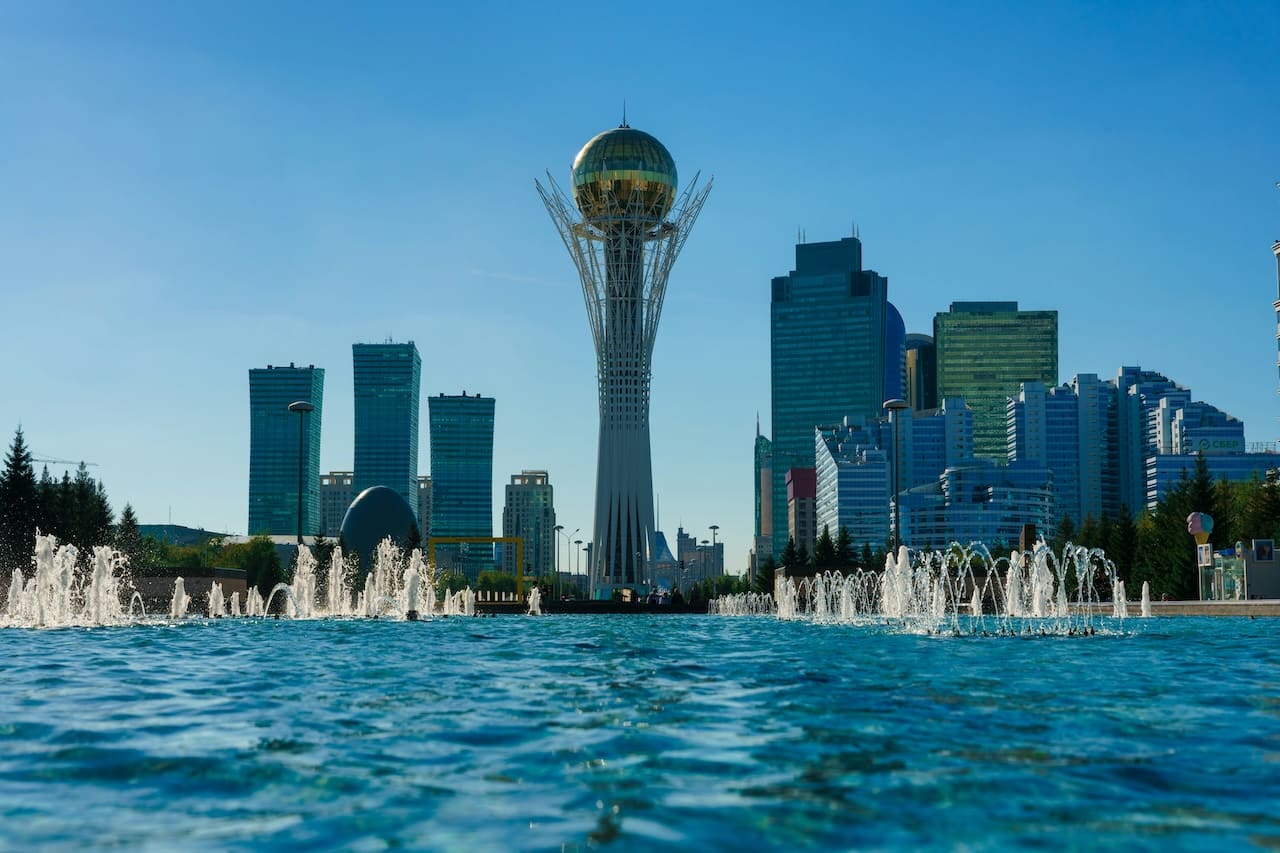
The numbers point to a broader recalibration of Central Asia's tourism map. Kazakhstan is no longer positioning itself as a stopover or a secondary option; it's investing in the infrastructure, branding, and product diversity that define competitive leisure destinations.
For travelers, the changes mean more accommodation choices, better access to natural and cultural sites, and a growing range of experiences beyond the capital. For the industry, it signals a market worth watching, especially as regional competition intensifies and travelers look for alternatives to more crowded destinations elsewhere in Asia.