A Reversal in the Desert
Travel warnings across the Middle East had begun to ease in recent weeks, only to snap back into place as regional tensions escalated and ceasefire negotiations stalled. Now, governments from Ottawa to Canberra are telling their citizens to reconsider trips to the Gulf, and the region's tourism industry is scrambling to respond.
Canada upgraded its advisory for the United Arab Emirates to Level 3 on July 17, urging citizens to avoid non-essential travel. It did the same for Saudi Arabia, moving beyond earlier warnings that targeted specific provinces. Australia followed on July 21, raising Saudi Arabia, Oman, and Jordan to Level 3, joining Bahrain, Kuwait, Qatar, and the UAE on its list of destinations deemed too risky for casual visits. New Zealand issued its own Level 3 alert shortly after.
The U.S. Embassy and Consulate in the UAE issued a more measured statement on July 17, advising Americans to exercise caution in light of what it called a "complex security situation." The UK updated its guidance for the UAE as well, noting that attacks in the broader region could resume with little notice.
For Gulf hotel operators, already contending with soft occupancy rates, the advisories amount to another setback. Tourism had been inching back after earlier disruptions, but the latest warnings threaten to stall momentum just as the region was hoping for a rebound in the second half of the year.
The Response: Cheaper Tickets and Easier Visas
Faced with the prospect of empty hotel rooms and canceled bookings, governments and airlines in the Gulf are rolling out incentives designed to keep travelers coming. Several carriers have launched fare sales targeting routes to Dubai, Riyadh, and other regional hubs. The discounts are steep enough to suggest urgency, a recognition that price alone may not be enough to overcome safety concerns but could tip the balance for travelers on the fence.
Visa liberalization is the other lever being pulled. Multiple Gulf states have announced measures to simplify entry requirements, from expanding visa-on-arrival eligibility to reducing processing times for electronic applications. The moves are partly a continuation of longer-term efforts to diversify economies away from oil, but the timing reflects immediate pressure to shore up tourism revenue.
The question is whether these carrots will be enough. Travel insurance is another complicating factor. Insurers have begun adjusting coverage terms for countries under Level 3 advisories, sometimes excluding certain types of claims or raising premiums. That adds a layer of cost and complexity for travelers trying to weigh the risks.
How Long Will This Last?
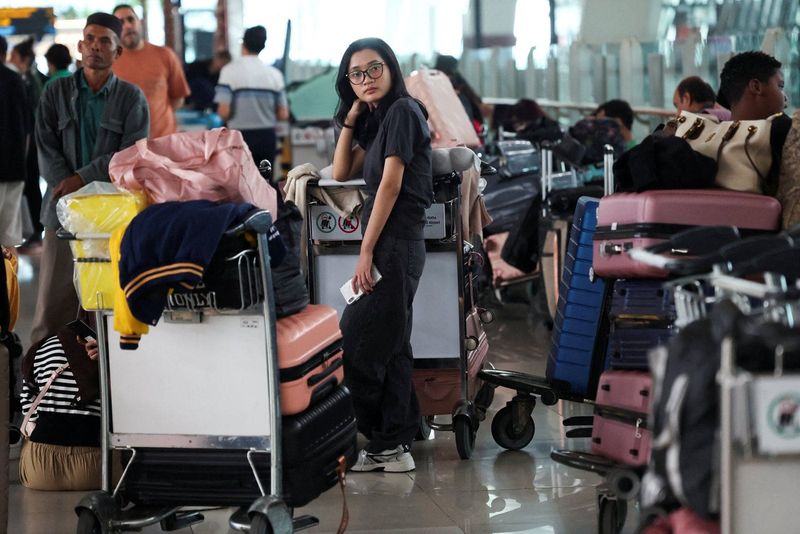
Route suspensions are already in effect. A handful of international airlines have paused service to Dubai, Riyadh, and Amman, though the duration of these suspensions remains unclear. Some carriers have suggested they will revisit the decision in a matter of weeks; others have left their plans open-ended, pending developments on the ground.
The unpredictability is part of the problem. Travelers planning trips months in advance face the risk that advisories could tighten further or that flights could be canceled with little warning. That uncertainty makes it harder for tour operators and travel agents to sell packages, even with discounts baked in.
For the Gulf states, the challenge is compounded by the fact that hotel occupancy was already weak before the latest advisories took effect. The region has added thousands of rooms in recent years, betting on a steady rise in visitor numbers. When demand softens, the oversupply becomes more visible, and operators are forced to compete on price.
A Broader Pattern
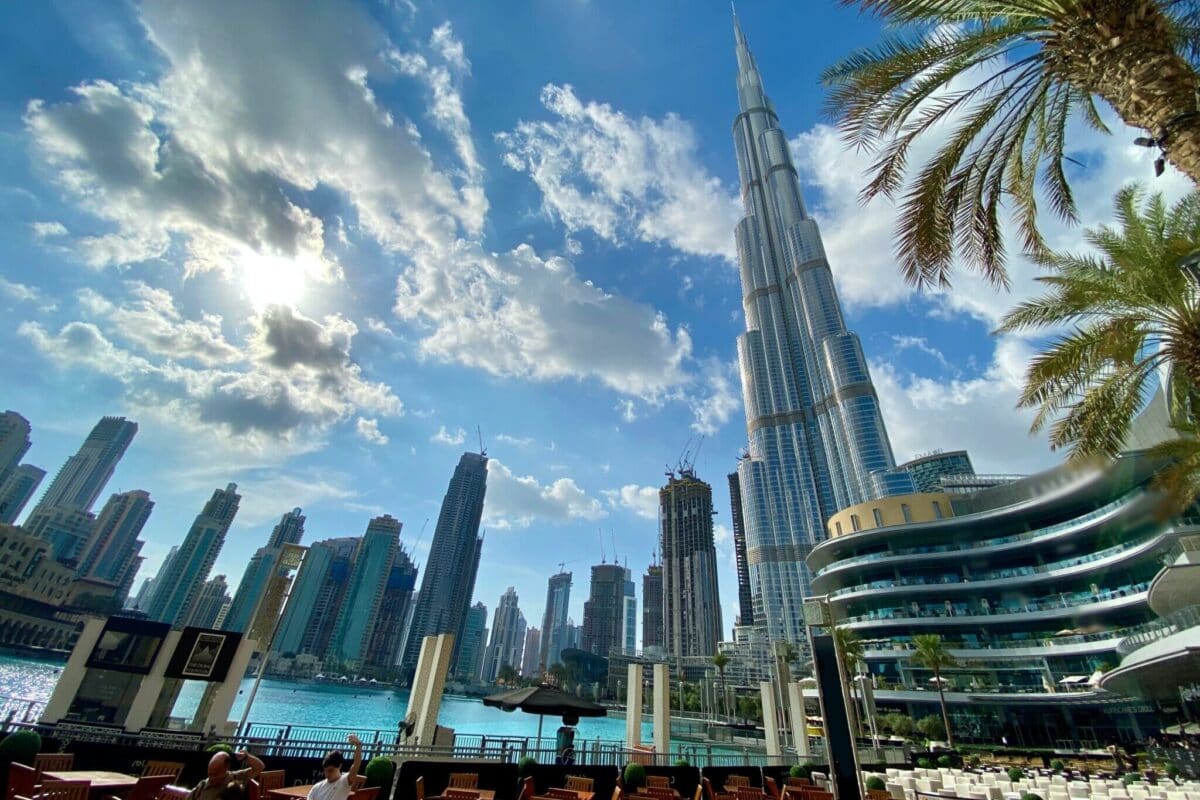
The Gulf is not alone in grappling with the interplay between geopolitics and tourism, but the region's reliance on international visitors makes it especially vulnerable. Unlike destinations with strong domestic tourism or regional travel networks to fall back on, cities like Dubai and Doha depend heavily on long-haul arrivals. When those travelers stay home, the impact is immediate.
The visa liberalization measures now being introduced may have a longer-term payoff, making the region more accessible once the current wave of advisories subsides. In the short term, though, the outlook is clouded by factors beyond the control of tourism boards or hotel chains. Discounted fares and streamlined visas can only do so much when travelers are being told by their own governments to think twice about booking the trip.