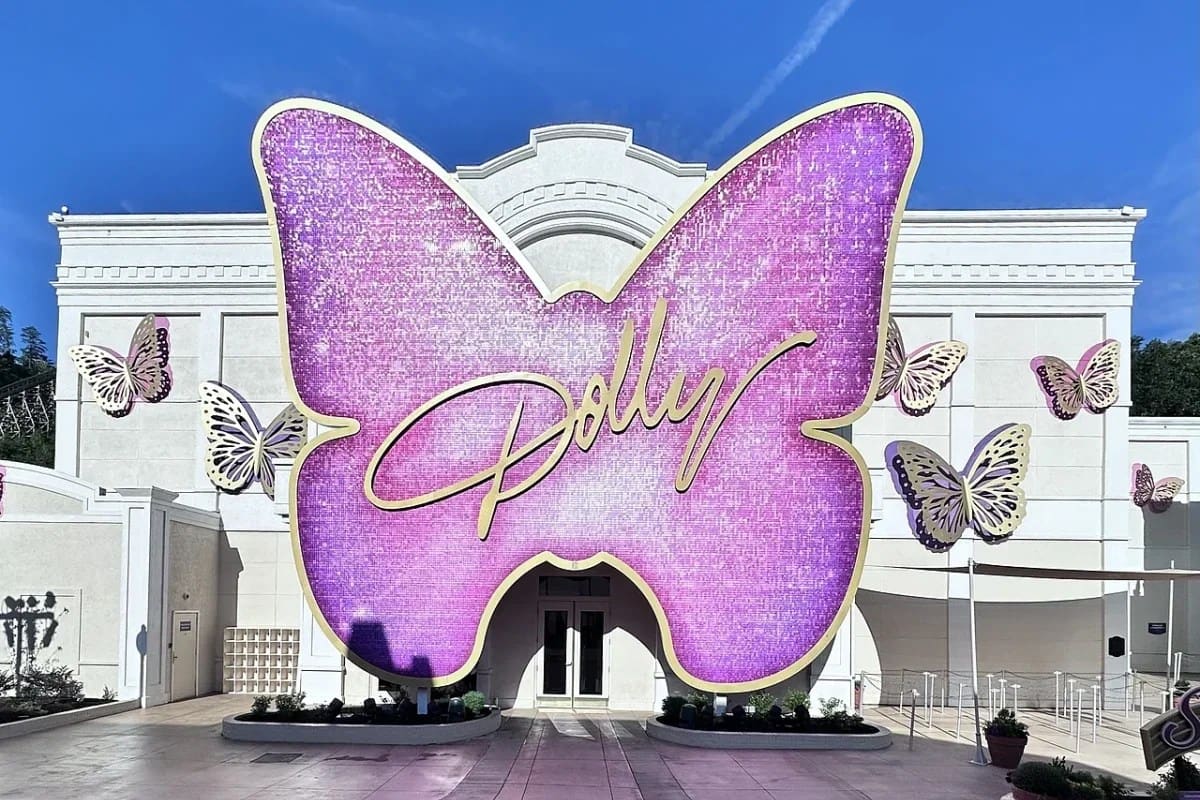
A Different Path
Dollywood reopened Wednesday, a day after Dolly Parton's passing at 80. The Pigeon Forge, Tennessee park posted a message choosing celebration over closure: honoring Parton's memory with laughter and music, not silence.
That choice reflects a broader pattern. While independent parks have shuttered across the United States and chains like Six Flags have sold properties to manage debt, Dollywood has quietly grown into one of the country's most financially stable regional attractions.
The contrast is stark. Smaller operators have faced rising costs, inconsistent attendance, and the challenge of competing with franchise-backed experiences. Dollywood, privately held and built around Appalachian culture rather than licensed characters, has taken a different route.
The Expansion
Dollywood announced a $500 million expansion, a figure that puts it in the same spending bracket as Disney and Universal projects. The investment signals confidence in a model that doesn't rely on Marvel heroes or Harry Potter wands.
Instead, the park leans into regional identity. Appalachian music, crafts, and food anchor the experience. Parton's own story, a narrative of local girl made global star, threads through everything. It's specific enough to feel distinct, broad enough to draw visitors from well beyond Tennessee.
The scale of the expansion is unusual for a park of Dollywood's size. Major chains spread capital across multiple properties; Dollywood concentrates it. That focus allows the park to build at a pace and quality level that smaller independents can't match, without the debt load that has strained larger operators.
What Works
Dollywood's privately held structure matters. Without quarterly earnings calls or shareholder pressure, the park can take a longer view on return on investment. It can also avoid the leveraged buyouts and debt refinancing that have forced competitors to sell assets or cut back.
The park's location helps. Pigeon Forge sits in the Smoky Mountains, a region that already draws millions of visitors each year. Dollywood doesn't have to create demand from scratch; it taps into an existing travel corridor. The surrounding area offers lodging, dining, and other attractions, which means visitors can build multi-day trips without everything hinging on the park alone.
Brand loyalty plays a role too. Parton's decades-long career and carefully managed public image give Dollywood a built-in audience. Fans visit not just for rides but to connect with a figure they admire. That emotional pull is harder to replicate than a licensing deal.
The Broader Landscape
Regional parks have struggled in recent years. Rising labor and maintenance costs squeeze margins. Attendance can swing wildly based on weather, gas prices, and competition from other entertainment options. Chains have responded by consolidating, closing underperforming locations, and in some cases taking on debt that later forced asset sales.
Six Flags, for example, has shed properties as part of efforts to reduce debt. Other regional operators have simply closed, unable to compete with either major chains or the growing array of non-park entertainment options.
Dollywood's success doesn't mean the model is easy to copy. Few parks have a namesake with Parton's recognition and goodwill. Few sit in tourism corridors as strong as the Smokies. And few have the capital to make nine-figure investments without taking on crushing debt.
What Comes Next
Parton's death raises questions about the park's future. Her personal involvement and public presence have been central to Dollywood's identity. Whether the brand can sustain that connection without her remains to be seen.
The park's statement suggests continuity. Choosing to open the day after Parton's passing, framing it as honoring her wishes, positions Dollywood as a living legacy rather than a monument. That framing may help the park navigate the transition.
The expansion will also test whether Dollywood's model scales. Adding attractions and capacity is one thing; maintaining the cultural specificity and personal touch that set the park apart is another. As Dollywood grows, it faces the same risk that challenges any successful niche brand: whether growth dilutes what made it work in the first place.
For now, Dollywood stands as a counterexample in a struggling sector. While other parks close or sell, it builds. While chains lean harder on franchises, it doubles down on regional culture. Whether that path remains viable in the years ahead will depend on how well the park adapts to a post-Parton era and whether its expansion brings new visitors without alienating the ones it already has.