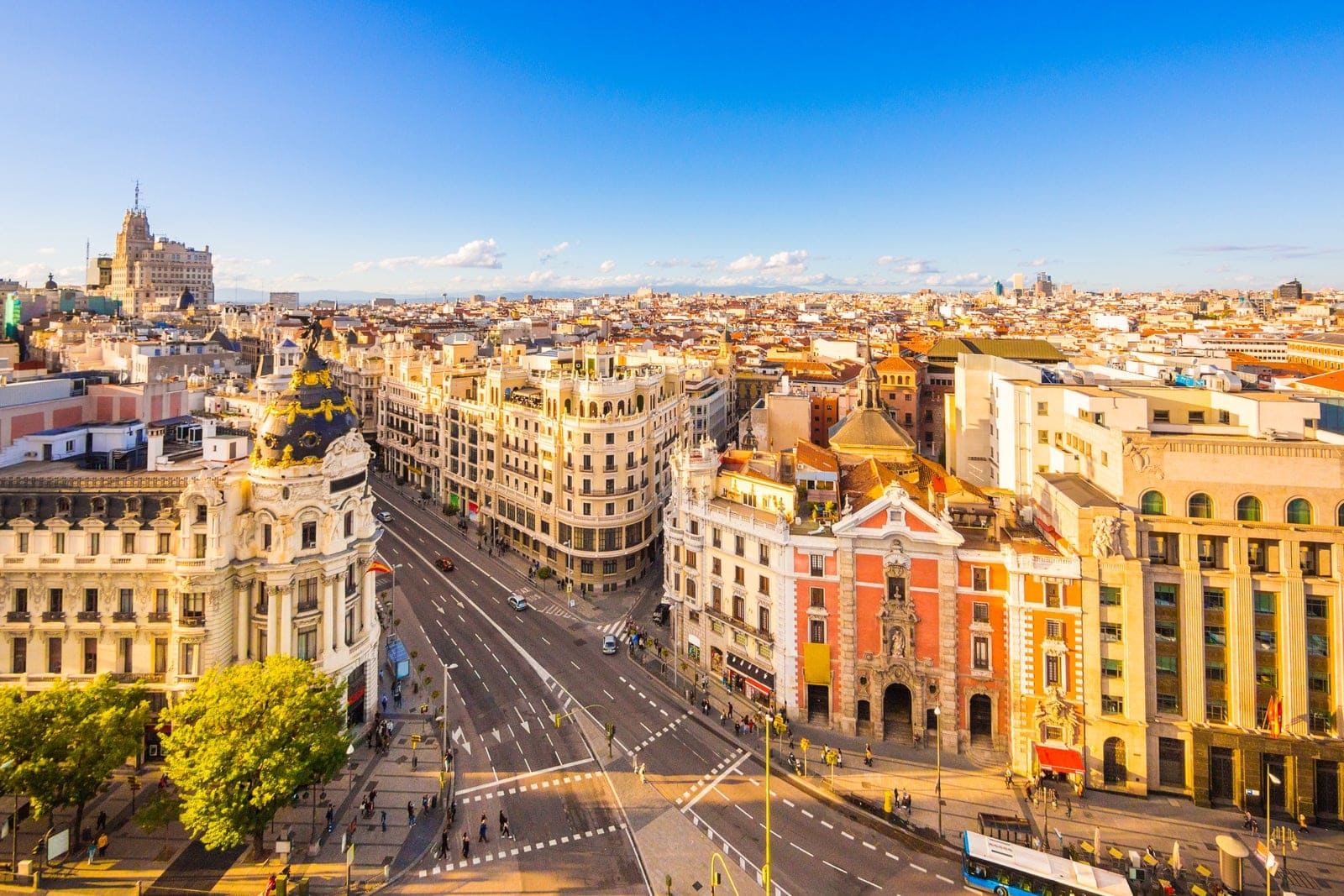
A Capital Under Pressure
Madrid's tourism economy is booming, but not everyone is celebrating. The city recorded €10 billion in international tourist spending during the first six months of 2026, according to Spain's National Statistics Institute. That represents an 11.4 percent increase over the same period in 2025, when the figure stood at €8.9 billion.
More than 5.6 million visitors passed through the capital between January and June, a 4.1 percent rise year-on-year, generating nearly 12 million overnight stays. International arrivals made up 59 percent of the total, with Americans leading the pack at just over 567,000 visitors, followed by Italians and Britons.
Almudena Maíllo, Madrid's tourism councillor, called the results proof of the city's growing appeal. She described tourism as an engine for economic activity that creates stable jobs and spreads spending across neighborhoods. The city government reported employment in the tourism sector has grown by more than five percent so far this year.
When Success Becomes a Problem
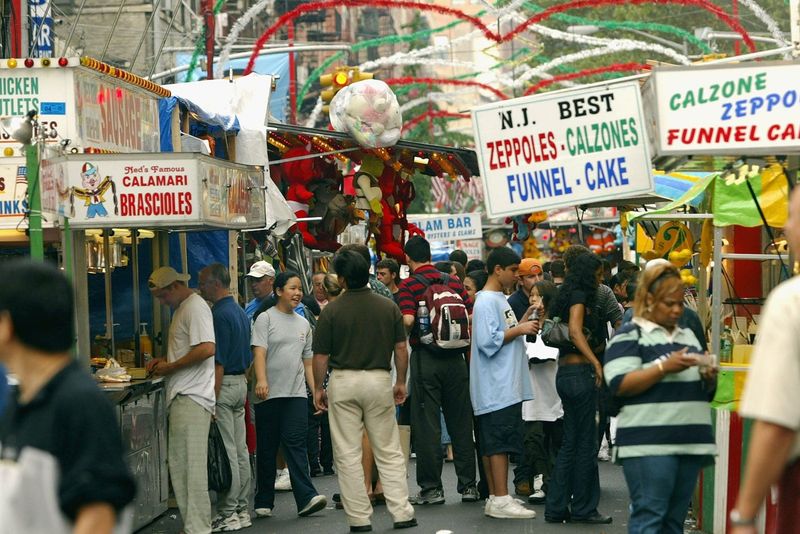
But the numbers tell only part of the story. Madrid is grappling with the same pressures facing many European cities where tourism has outpaced infrastructure and quality of life. In January, the Museo del Prado capped tour group sizes after visitor volumes made the museum feel like rush-hour public transit. Miguel Falomir, the museum's director, said plainly that the Prado does not need a single additional visitor.
The tension is not unique to Madrid. Across Spain, residents in destinations from Mallorca to Barcelona have staged protests over the summer, arguing that mass tourism has driven up housing costs and eroded living conditions. In late July, demonstrators in Mallorca marched under the banner "Less Tourism, More Life," warning that the island's popularity has triggered a housing crisis and a decline in the quality of life for people who actually live there.
Housing, Employment, and the Trade-Offs
Spain's government has acknowledged the housing strain. In April, officials announced plans to triple investment in public housing, a direct response to accusations that short-term vacation rentals have squeezed supply and pushed prices beyond reach for locals.
Madrid's city council insists the tourism sector remains confident in its contributions, pointing to job creation and economic ripple effects. Every euro spent by visitors, Maíllo said, benefits city services that residents use. But that argument rings hollow to those priced out of their own neighborhoods or navigating crowded sidewalks and packed metro cars.
The question facing Madrid, and much of Spain, is whether the economic benefits of tourism can be sustained without undermining the conditions that make these places worth visiting in the first place. The city is betting that controlled growth and targeted investment can square the circle. Residents and cultural institutions are not so sure.
What Comes Next
Madrid's tourism numbers show no sign of slowing. The city continues to attract visitors drawn by its museums, food, and cultural energy. But the backlash is real, and it is spreading. Other Spanish cities have seen similar protests, and the housing crisis has become a national political issue.
The challenge is not just about managing crowds. It is about deciding what kind of city Madrid wants to be, and for whom. Tourism brings jobs and revenue, but it also reshapes neighborhoods, drives up costs, and strains public services. The balance between economic opportunity and livability is delicate, and Madrid is testing the limits of both.