A Shifting Map of Global Travel
The geography of global tourism is starting to shift. Spain is projected to welcome 110 million international visitors by 2040, according to Deloitte and Google, nudging past France's expected 105 million. If the forecast holds, it would end France's long reign as the planet's most visited country.
France currently holds the top spot with 102 million international arrivals recorded in 2025. Spain, meanwhile, hosted 96.8 million visitors last year, figures from Spain's National Institute of Statistics show. The gap is narrowing, and the trajectory suggests a crossover within fifteen years.
The analysis, conducted jointly by Deloitte and Google, aims to help travel companies and destination managers anticipate where demand is heading. The researchers examined decades of travel data, tracing how visitor flows have evolved and where they might land in the years ahead.
The Long Arc of Growth
Tourism has expanded at a remarkable clip over the past half-century. From 1975 through 2019, global inbound arrivals doubled roughly every fifteen years, reaching nearly 1.5 billion travelers by the end of that stretch. The top five destinations during that period have remained surprisingly stable: France, Spain, the United States, China, and Italy have generally held their positions since 2010.
But the pace is accelerating. Deloitte and Google project 2.4 billion international trips by 2040, a jump of nearly a billion compared to pre-pandemic levels. That growth is not evenly distributed. Some countries are seeing faster gains than others, driven by factors including visa policy, infrastructure investment, and shifting tastes among travelers.
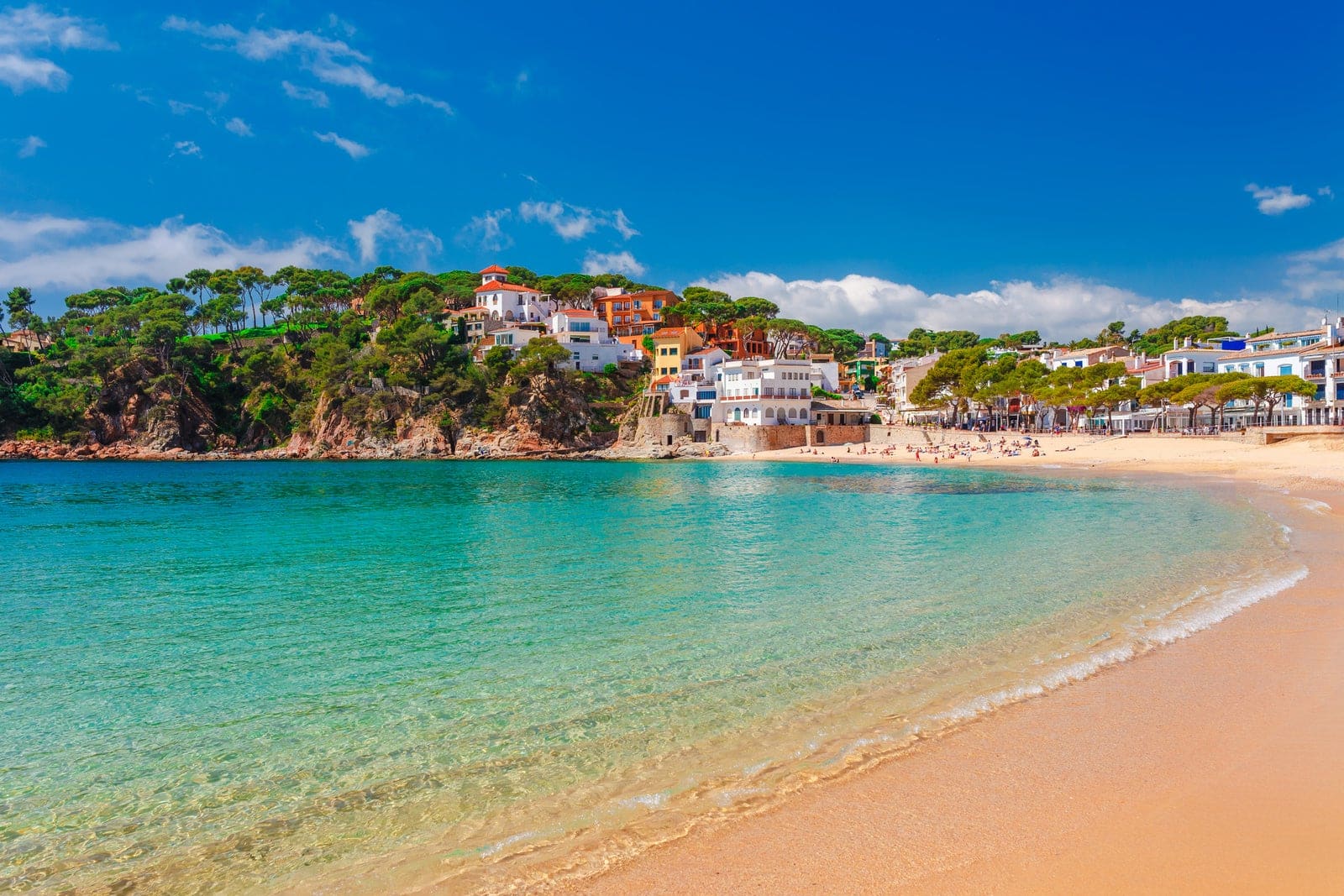
Spain's rise reflects a combination of accessibility, climate, and cultural appeal. The country has invested heavily in tourism infrastructure, from high-speed rail to regional airports. Its Mediterranean coast, historic cities, and relatively affordable prices have made it a draw for visitors from across Europe and beyond.
What the Numbers Mean for Travelers
For those planning trips, the shifting rankings are more than abstract data. Higher visitor numbers often mean crowded landmarks, strained infrastructure, and rising prices. Spain has already grappled with overtourism in cities like Barcelona and Palma de Mallorca, where local residents have protested the impact of mass tourism on housing costs and quality of life.
France, too, faces pressure in popular areas. Paris, the French Riviera, and the Loire Valley see heavy traffic during peak seasons. The question is whether destinations can manage growth without eroding the qualities that attract visitors in the first place.
The projections also highlight the importance of timing and destination choice. Travelers willing to visit during shoulder seasons or explore less-traveled regions can still find breathing room, even in heavily visited countries.
Beyond the Big Five
While the top spots remain competitive, other countries are climbing fast. Recent data from Amadeus and UN Tourism showed the Czech Republic with the highest growth in European travel bookings between May 2025 and April 2026, posting an 18 percent year-on-year increase in air travel. Iceland followed with 11 percent growth, and Denmark with 8 percent.
These figures suggest that travelers are looking beyond the usual suspects. Smaller countries with distinct cultural offerings, manageable crowds, and good value are gaining traction. The Czech Republic, in particular, has benefited from its combination of medieval architecture, vibrant cities, and lower costs compared to Western Europe.
The Broader Picture
The projected surge to 2.4 billion trips by 2040 raises questions about sustainability and infrastructure. Airlines, hotels, and destination managers will need to scale up capacity while managing environmental impact and preserving local character. The challenge is especially acute in countries where tourism already accounts for a large share of the economy.
Spain's tourism sector represents a significant portion of its GDP, and the industry is a major employer. Growth brings economic benefits, but also risks. Overreliance on tourism can leave economies vulnerable to shocks, as the pandemic demonstrated. Balancing growth with resilience is a ongoing task for policymakers.
For France, losing the top ranking would be largely symbolic. The country's tourism infrastructure is mature, and its appeal is deeply rooted. Whether it welcomes 105 million visitors or 110 million, it will remain a cornerstone of global travel.
What Comes Next
Tourism forecasts are not destiny. Economic conditions, political stability, climate change, and unforeseen events can all shift the trajectory. But the trend lines are clear: travel is growing, and the distribution of that growth is changing.
Spain's rise to the top spot, if it happens, will reflect decades of investment and strategy. It will also underscore the ongoing challenge of managing tourism at scale. For travelers, the takeaway is simpler: the places everyone wants to visit are getting more crowded, and planning accordingly matters more than ever.