Before the Brochure
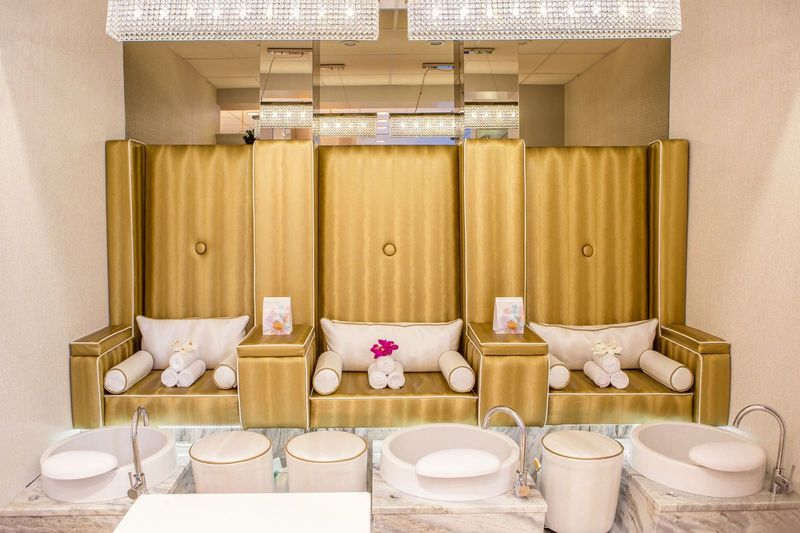
A temazcal becomes a detox package. Ayurveda gets reduced to an oil massage. Lomi lomi appears on the same menu as Swedish and deep tissue, as if the lineage behind each technique didn't matter.
Spa menus borrow liberally from healing systems that took thousands of years to develop, then strip away the philosophy that made them work. The result feels polished but incomplete. What gets lost is the reason these practices existed in the first place: not to deliver an afternoon of relaxation, but to restore balance between body, land, and community.
The gap between a 90-minute spa treatment and the tradition it references is worth paying attention to. Every major wellness system grew from a specific landscape, climate, and way of understanding health. Tracing them back to their origins reveals something richer than the treatment menu suggests.
Medicine as a Complete System
India's Ayurveda and Traditional Chinese Medicine both qualify as full medical systems, not spa philosophies. Ayurveda has been practiced continuously for more than two millennia, treating health as an interplay of digestion, sleep, diet, climate, and daily routine. Practitioners assess how your body functions as a whole, then build long-term habits to restore equilibrium. Massage and herbal oils play a role, but they're tools within a much larger framework.
Traditional Chinese Medicine operates on a similar premise. Health depends on movement, specifically the flow of qi through interconnected pathways in the body. When that circulation stalls, illness follows. Acupuncture, cupping, herbal formulas, and tai chi all aim to restore flow rather than suppress symptoms. Walk into a pharmacy and you'll see walls of small wooden drawers filled with dried roots and bitter bark, each ingredient chosen for its role in a formula tailored to your condition. Improvement is measured over weeks or months, not by how you feel leaving the clinic.
Both systems demand patience. They ask you to change how you eat, move, and sleep, then wait for the body to respond. That doesn't translate easily to a spa booking.
Heat as Ceremony
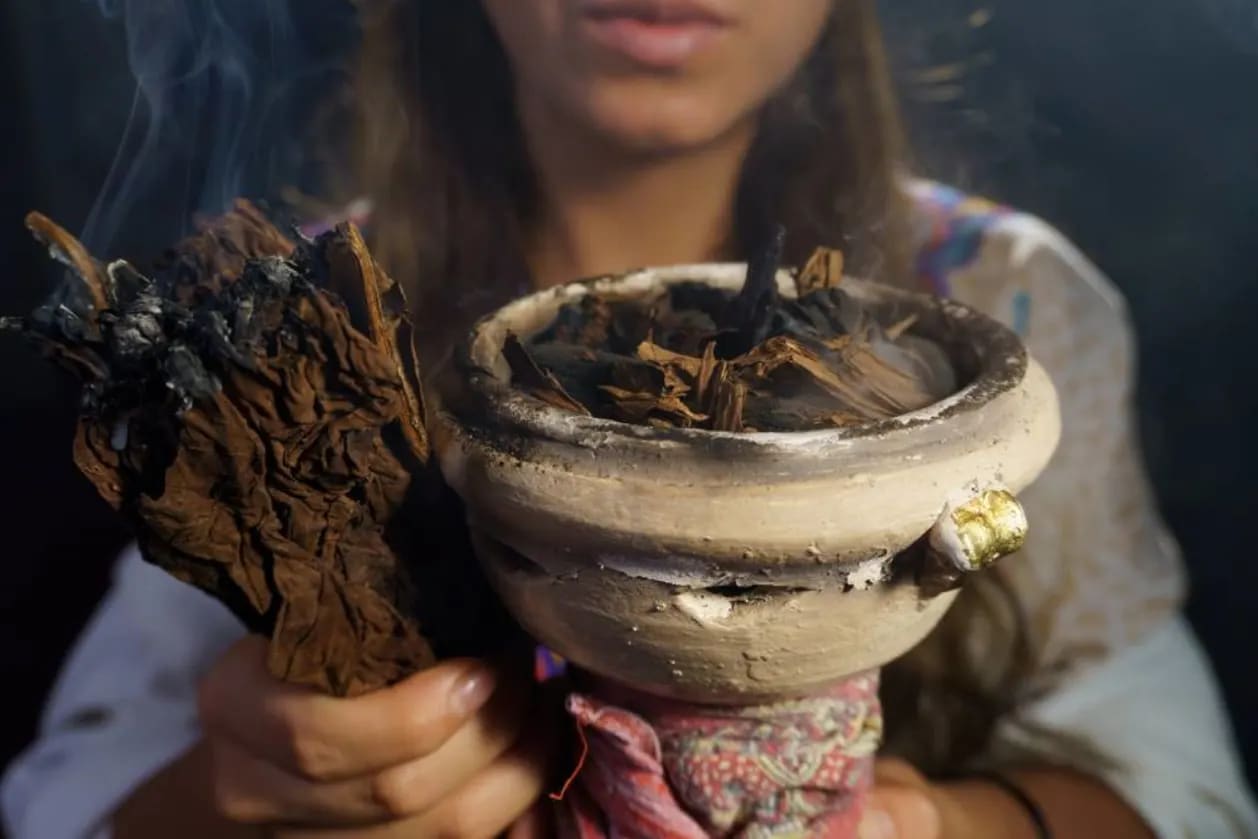
Several traditions use heat not just for physical cleansing but as a form of ceremony. Mexico's temazcal, a dome-shaped sweat lodge, represents rebirth for many Indigenous communities. Volcanic stones heat the space while medicinal herbs, songs, and guided ritual create an experience centered on renewal and reflection. Sweating happens, but it's secondary to the symbolic act of leaving something behind and emerging changed.
Finland's sauna operates on a different logic. With more than three million saunas scattered across a country of just over five million people, the tradition is woven into everyday life. Families gather in sauna. Friends catch up in sauna. Serious conversations happen in sauna. Water thrown onto hot stones creates löyly, the wave of heat and steam that transforms the room. Silence and conversation both have their place, and the ritual cuts across class and profession.
Turkey's hammam follows a sequence. Warm rooms gradually prepare the body for what comes next: a scrub that seems to lift an entire layer of skin, followed by clouds of soap foam and a massage on heated marble. Some hammams have been operating for more than 400 years. Ottoman-era bathers treated them as social hubs, celebrating weddings and conducting business between rinses. Cleanliness mattered, but community kept people returning.
Water and Place
Japan's onsen culture exists because the country sits atop intense geothermal activity. Thousands of mineral-rich hot springs shaped a bathing ritual where slowing down matters as much as getting clean. The sequence begins with a thorough wash before entering the communal bath, ensuring the water stays pristine. Only then comes the quiet soak, often outdoors with steam drifting through cedar forests or mountain valleys. The experience feels less like a treatment and more like an exercise in paying attention.
The geothermal landscape dictated the practice. Hot water bubbling up from volcanic activity became a daily ritual, not a destination. Onsen towns developed around clusters of springs, and locals still visit regularly, treating the soak as maintenance rather than indulgence.
Lineage and Permission
Some traditions pass through family lines, and their survival depends on careful transmission. Hawaiian lomi lomi translates loosely as "to knead," but the word doesn't capture what happens during a session. Practitioners open with prayer, then move into long, flowing forearm strokes that travel down the body like waves. Because the technique is taught within families, every practitioner carries a style shaped by teachers and ancestry rather than standardized training. Breath and intention guide each session, along with aloha, a philosophy that extends far beyond its greeting-card reputation. The strokes release tension, but the deeper work restores connection between body and spirit.
Andean healing also operates within a lineage framework. Across Andean communities, healing is understood as a relationship rather than an individual pursuit. Ceremonies often begin with offerings to Pachamama, acknowledging that personal well-being cannot be separated from the land. Traditional healers work with plants, prayers, coca leaves, and ritual to restore harmony between people, ancestors, nature, and spirit. Some ceremonies welcome respectful visitors; others remain private, a reminder that these traditions never existed for tourism.
What Gets Packaged
The wellness industry thrives on portability. A treatment that took centuries to develop in one climate and culture gets repackaged for another, often with the difficult parts removed. The consultation becomes optional. The dietary changes disappear. The ceremony is shortened to fit a 60-minute slot.
That doesn't make every spa treatment dishonest, but it does create distance between the experience and its source. A temazcal offered at a resort may use the same structure, volcanic stones, and herbs, but without the community context and symbolic weight, it becomes something else. Ayurvedic massage delivered without the diagnostic consultation or lifestyle guidance is a fragment, not the system.
The question isn't whether these treatments feel good. Most do. The question is whether the experience honors the tradition it references or simply borrows its aesthetic. For travelers interested in wellness, understanding that distinction matters. It shapes where you go, who you book with, and what you expect when you arrive.
A Different Kind of Travel
Seeking out these traditions in their original context requires more planning. Onsen etiquette in Japan is specific, and mistakes are noticed. Temazcal ceremonies led by Indigenous practitioners may not be widely advertised, and some aren't open to outsiders. Ayurvedic clinics in India that offer multi-week Panchakarma programs demand a time commitment most travelers can't make.
But the effort shifts the experience. You're no longer consuming a treatment; you're learning a practice. The difference is subtle but meaningful. One ends when you leave the table. The other gives you something to carry forward.
Not every trip needs to be immersive, and not every traveler wants that level of engagement. But for those who do, the world's oldest healing systems offer more than relaxation. They offer a way of thinking about health that doesn't start and end with the individual body. They ask you to consider your relationship to the land, to community, to daily rhythm. They remind you that wellness isn't something you buy for an hour. It's something you build over time.